

Opening up the battery compartment—never mind, that option is mostly gone. But what are the problems, what are the exceptions, and why does replaceable still matter? Read on.
In short: One of the few modern phones with a truly user‑replaceable battery is the Fairphone 5, designed for repairability. Many phones no longer offer that option.
Transitioning from what still exists to why things changed, you’ll get a clear picture of this under‑discussed aspect of smartphone design.
What models still offer removables?
Picture this: your phone’s battery gives up mid‑day and you simply swap in a fresh one. That’s the promise of a replaceable battery—and a rarity in 2025.
Quick answer: A few models still support user‑replaceable batteries (or accessible as near‑user‑replaceable). For example, the Fairphone 5 supports one, and the Samsung Galaxy XCover 7 Pro is a rugged model that brings it back.
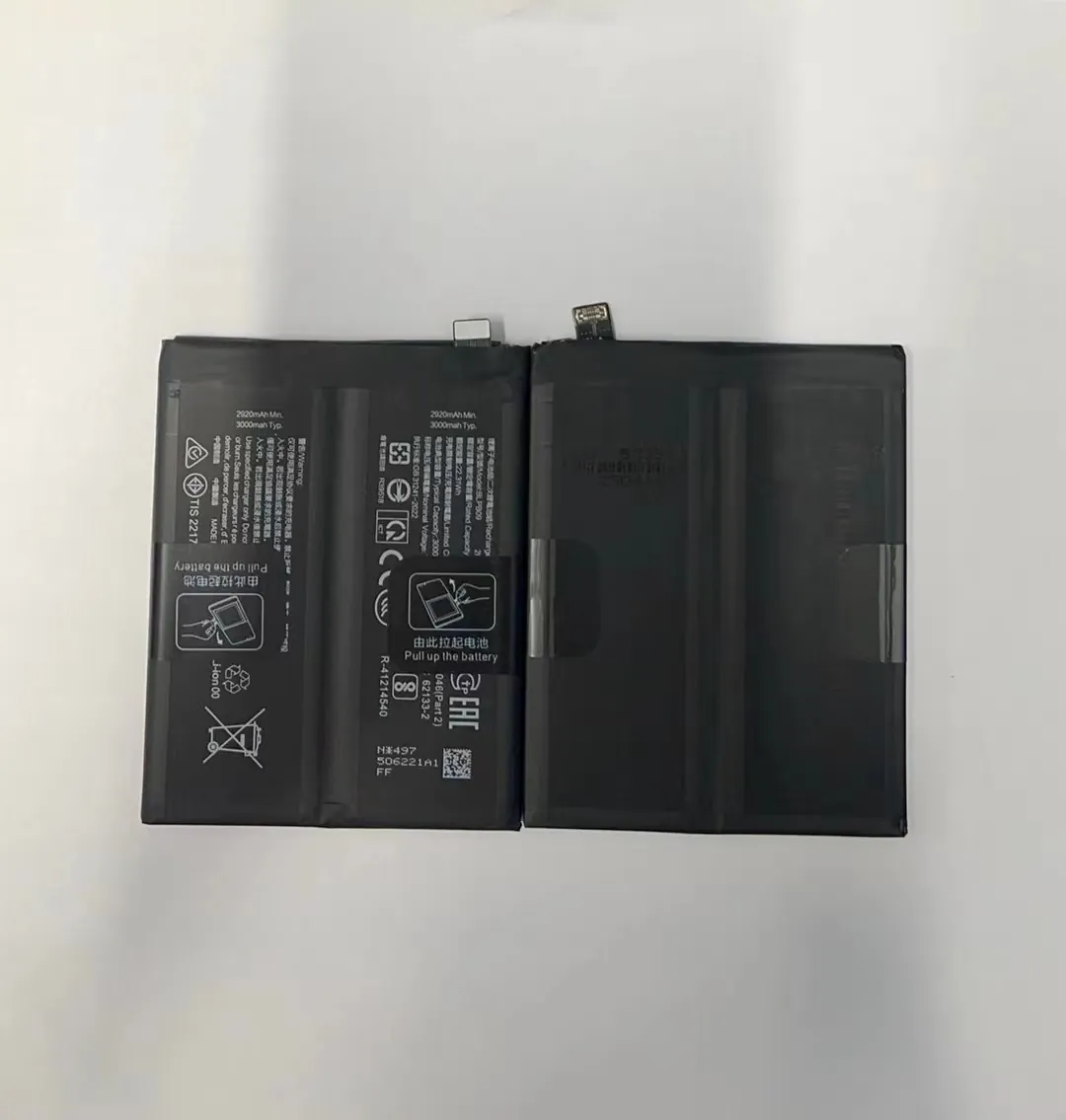
Models worth noting
- Fairphone 5: This phone is made so that the battery is user‑replaceable and many modules are accessible.
- Samsung Galaxy XCover 6 Pro / XCover 7 Pro: Rugged phones with a practical design that includes removable batteries.
- Older models: Legacy phones like the Samsung Galaxy Note 4 also had this feature.
Table: How many options are out there
| Phone model | Removable battery? | Notes |
|---|---|---|
| Fairphone 5 | Yes | Modern, repair-friendly |
| Galaxy XCover 7 Pro | Yes | Rugged, mid-range model |
| Galaxy XCover 6 Pro | Yes | Rugged, enterprise model |
| Flagship phones (e.g., iPhone, Galaxy S series) | No | Sealed for design reasons |
This list is short because most manufacturers prioritize other features like waterproofing or sleek design over battery replaceability. If this feature matters to you, your best bet is to look at rugged or modular phones rather than mainstream flagships.
How do designs impact replaceability?
Picture the slimest phone you hold in your hand—each millimetre of thickness, every extra port, every extra seal—to make it water‑resistant matters. And that impacts the battery access.
Short answer: Design choices—thinness, sealing for water/dust, aesthetic priorities—make user‑replaceable batteries harder to implement.
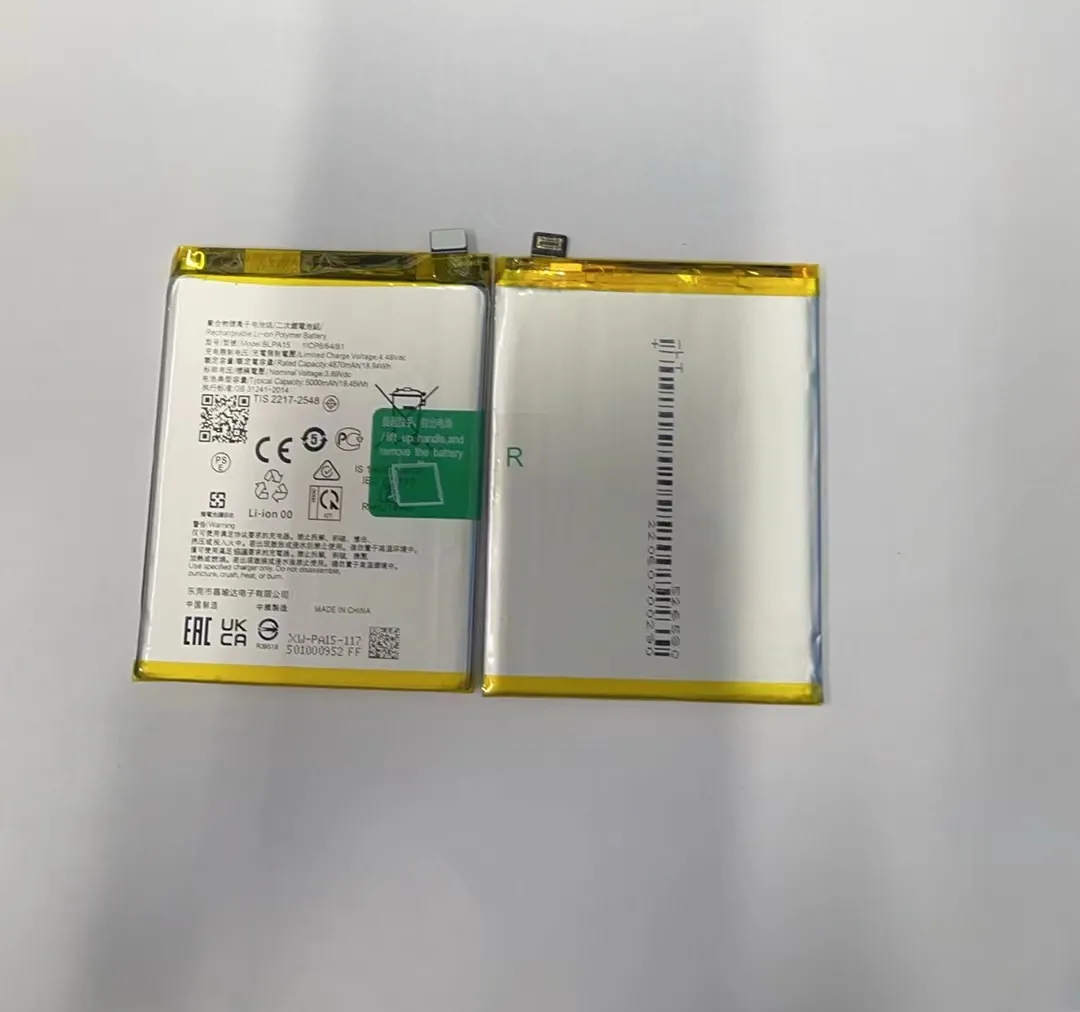
1. Thinness and form-factor
Smartphones are expected to be slim and stylish. Adding a removable battery means a thicker back cover and a secure mechanism to hold the battery. These elements add bulk and are considered outdated in today's sleek design language.
2. Water and dust resistance
A removable back creates potential gaps for dust and water to enter. Phones today aim for IP67 or IP68 ratings, which require tightly sealed bodies. Sealed batteries help achieve those ratings.
3. Safety and structural integrity
Battery safety is a concern. Manufacturers prefer batteries that are integrated and less accessible to users to reduce the risk of mishandling or fire. A non-removable battery also helps in building a more solid internal frame.
4. Cost and control
With sealed batteries, customers often return to service centers for battery replacement. This extends control over repair processes and creates more revenue streams for manufacturers.
Table: Design trade-offs
| Design goal | Effect on battery replaceability |
|---|---|
| Slim design | Sealed battery allows thinner build |
| Water resistance | Sealed body improves IP rating |
| Safety and structure | Sealed batteries improve stability |
| Business control | Battery replacement needs service center |
These choices collectively lead manufacturers to seal the battery inside. So unless the product targets field work or sustainable repair, it’s unlikely to have a removable battery.
Why removable batteries declined?
I’ll grab your attention: Did you know that one of the reasons your favourite phone can’t have a removable battery is because of tracking and security concerns? That’s right, it’s not just about style.
Short answer: Removable batteries declined due to design goals (thinness, durability), manufacturing and safety considerations, and a shift in consumer expectations (charging speed, battery life).
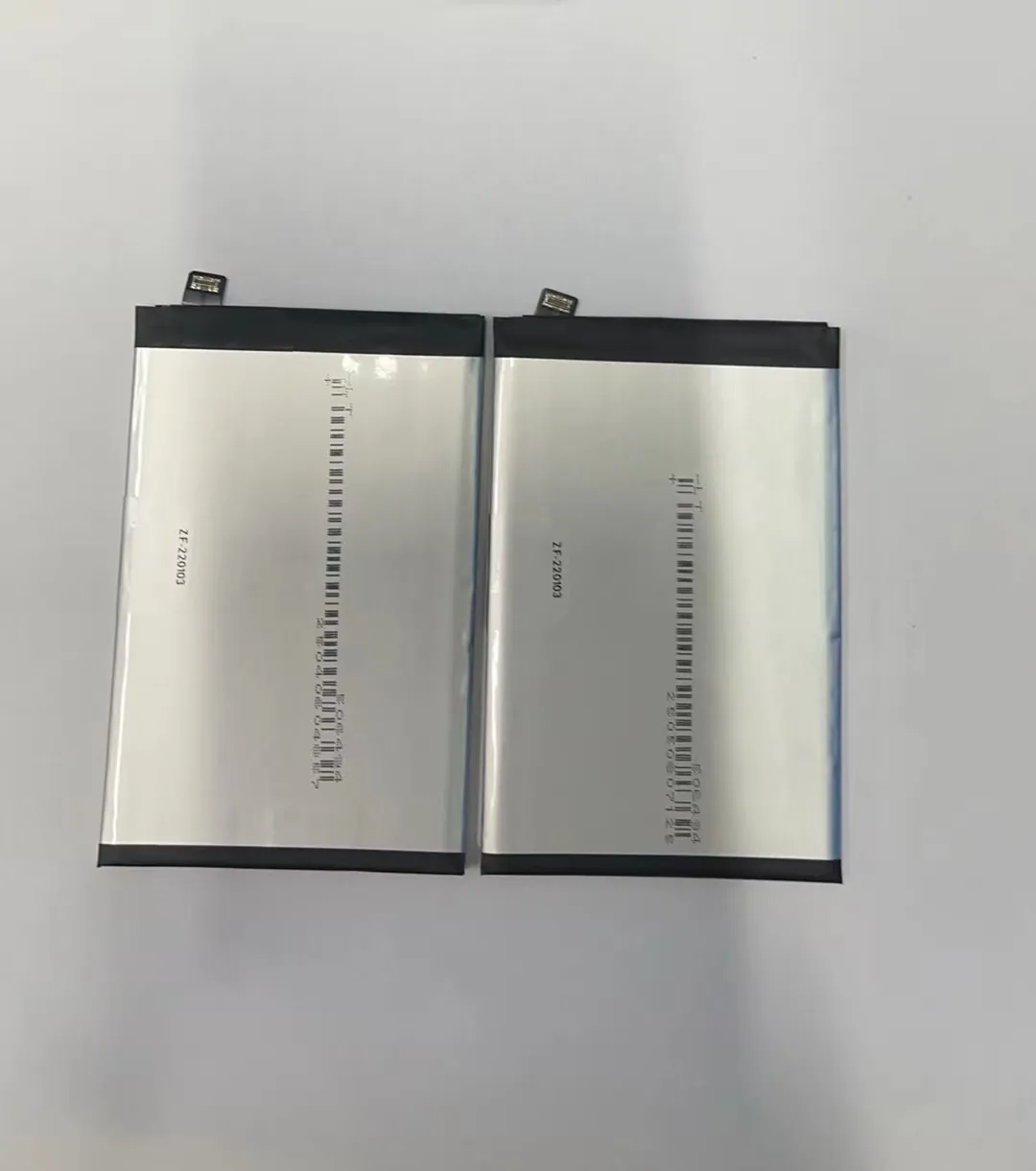
A. Battery technology and user habits
Modern batteries last longer and charge faster. Users became less dependent on swapping batteries and more used to topping up via fast charging. This shift made removable batteries less essential.
Flagship phones pushed toward unibody designs with metal or glass backs. These materials don’t accommodate removable backs as easily as plastic did. Consumers also began associating sealed designs with a premium feel.
C. Durability and waterproofing
To protect from water and dust, phones must be sealed. Removable battery compartments compromise these protections. This became a key factor in the transition.
D. Business model alignment
Sealed batteries can’t be replaced easily by users. This drives users to repair centers, increases device replacements, and benefits sales. It aligns well with profit-driven models.
E. Privacy and control
With a sealed battery, you can’t instantly power off your phone by removing the battery. That’s good for theft tracking but also raises surveillance concerns. Still, the sealed design has become the standard.
Phones became slimmer, more waterproof, and designed for high-volume production and tighter control. Removable batteries didn’t fit this model anymore.
Which benefits keep them relevant?
Imagine you’re on a long journey without charging access, or you’re using a phone in a harsh environment where battery health degrades fast. That’s where replaceable batteries still shine.
Short answer: The benefits include extended lifespan, reduced e-waste, uptime during travel or work, and lower total cost of ownership.
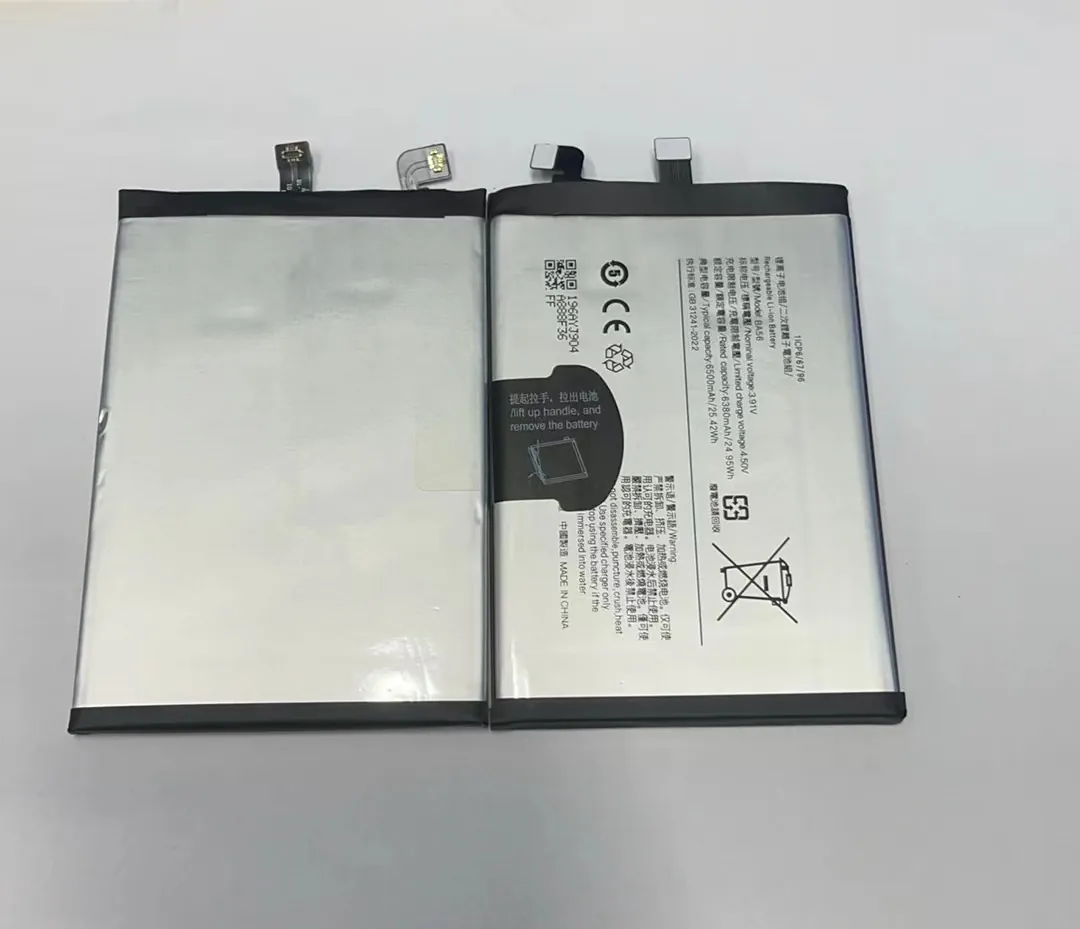
1. Lifespan and sustainability
When a phone’s battery dies, it’s usually the first reason people replace their devices. A removable battery means you can extend the phone’s life with a simple swap. This reduces e-waste and supports sustainability.
2. Uptime for field use
In jobs like delivery, construction, or outdoor repair, long uptime is crucial. Swapping a battery is faster than recharging. Rugged phones with removable batteries are common in these settings.
3. Lower ownership cost
Buying a new battery is cheaper than replacing the whole phone. Users who keep phones for years save money. Businesses that manage fleets of devices also benefit.
4. Repair and refurbishment
Phones with removable batteries are easier to refurbish. For B2B customers, especially in the repair or resale business, this makes inventory easier to manage and sell.
Table: Benefits and use cases
| Benefit | Example use |
|---|---|
| Longer phone life | Keep using the same phone for 4–5 years |
| Fast replacement in field | Workers in remote areas swap batteries |
| Lower cost of maintenance | Battery is cheap to replace |
| Eco-friendly design | Less e-waste, longer usage cycles |
These advantages keep removable batteries relevant in specific markets—especially B2B and rugged environments—even as most of the consumer market moves away from them.
Conclusion
In the smartphone market today, replaceable batteries are rare, but they still exist and matter. If you value repair‑friendly design, long uptime, or lower lifecycle cost, models like the Fairphone 5 or rugged phones (e.g., Samsung’s XCover series) are your best bet. For most slim flagship phones, sealed batteries are now the norm due to design, durability and business pressures. Choose based on your priorities.
