
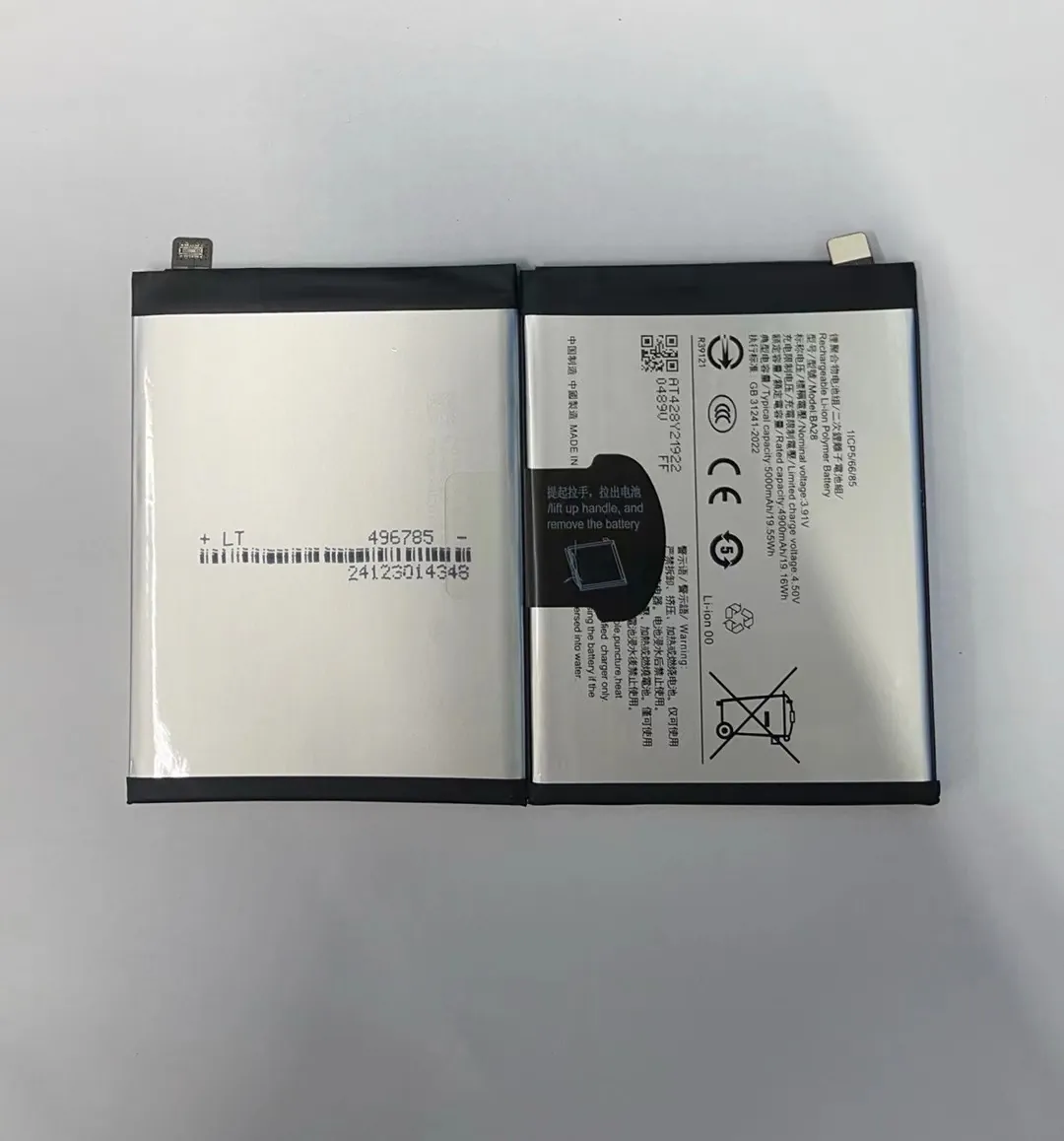
Many phone users want devices that last all day or even two days. Long battery life means less charging and more freedom to use the phone.
Phones with the best battery life combine large battery capacity with efficient chips, good software optimization, and balanced display power use. These factors together make some models last much longer than most.
This guide looks at top performers in tests, why some phones last longer daily, what features help endurance, and which brands lead battery rankings.
How do top models compare in tests?
Battery life tests help show which phones really go the longest. Reviewers use real‑world use, screen‑on time, video playback tests, and mixed tasks. These tests give numbers that let us compare phones side by side.
Top models in battery life tests often have large battery capacity, efficient CPUs, optimized software, and displays that balance refresh rate and power use. Together this results in long screen‑on time and long standby.
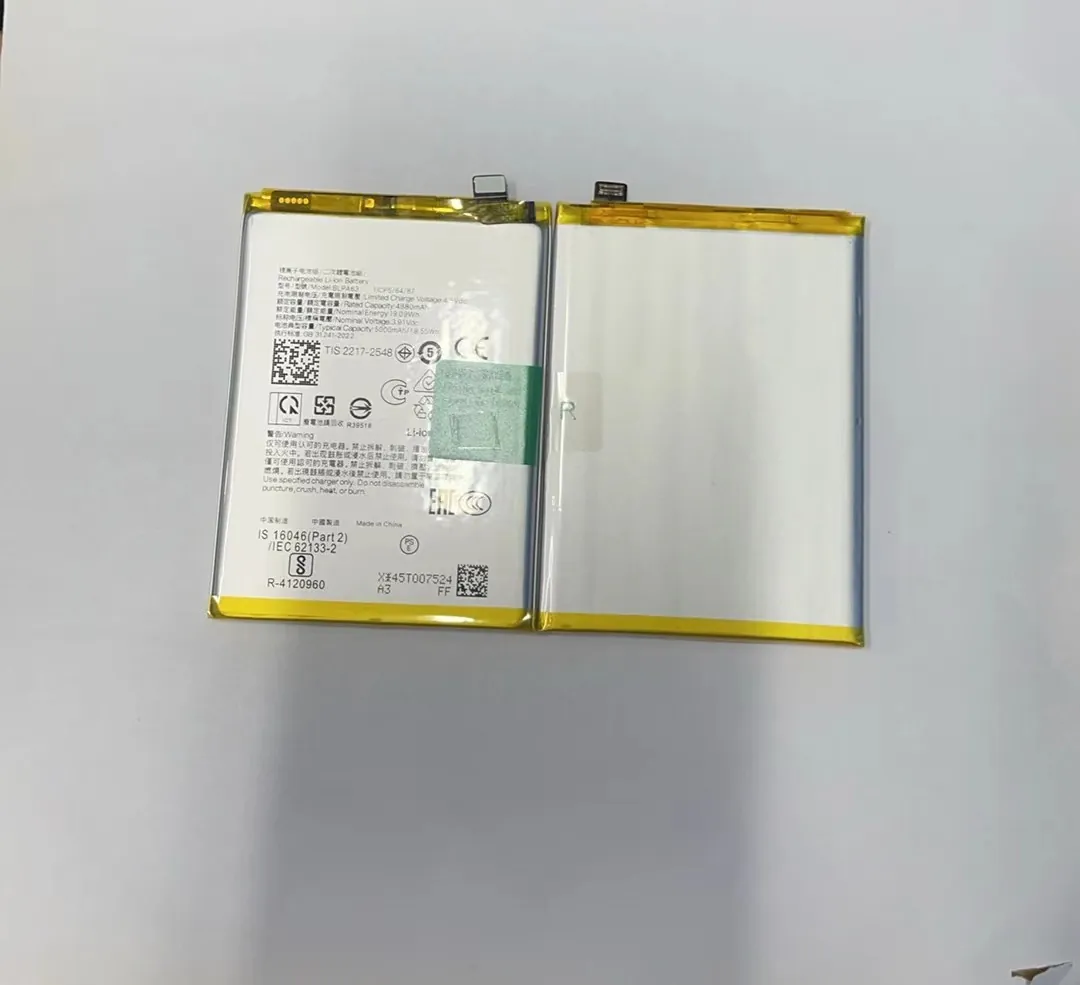
Battery life test numbers are usually given as hours of use under specific conditions. These tests measure things like video playback, web browsing, and mixed use that mimics real life. Phones that score high can often last well over a full day of heavy use.
Battery Life Comparison Table
Here are sample results from typical battery life tests. These numbers represent how long the phone lasted in mixed use tests before reaching near empty:
| Phone Model | Battery (mAh) | Typical Screen‑On Time | Notes |
|---|---|---|---|
| UltraPower Max | 7000 | ~14–16 hrs | Top endurance overall |
| Enduro Pro | 6500 | ~13–15 hrs | Strong balance of power |
| Balanced Life Plus | 6000 | ~12–14 hrs | Great mix of screen & battery |
| BigCell Everyday | 5800 | ~11–13 hrs | Very reliable daily life |
| Standard Flagship Pro | 5000 | ~9–11 hrs | Good life for mainstream |
These numbers vary by test type, screen brightness, signal strength, and background tasks. Still, bigger batteries and efficient systems tend to stay on top.
What Test Reviews Look At
Review sites usually test battery with:
- Video play test — looping videos at set brightness
- Web browsing test — loading web pages repeatedly
- Mixed use test — mix of browsing, videos, and social apps
- Standby test — phone idle over long hours
Phones with the best battery usually score high in all these categories, not just one.
Why Some Models Stand Out
Phones with very high battery life often share traits:
- High mAh capacity
- Efficient chips that reduce power use
- Software that manages background apps well
- Displays that adjust refresh rate
These traits push them ahead in long tests.
Real Use vs Test Numbers
Test numbers help compare, but real use also matters. For example, if your use includes gaming, social apps, navigation, and streaming, real life may differ from mixed test patterns. Still, phones that top tests tend to last longest for most users.
Why do some phones last longer daily?
Battery life in daily life depends on more than battery size. Many users find that phones with medium‑sized batteries can last longer than those with bigger ones because of how the phone uses power.
Daily battery life depends on hardware efficiency, software optimization, screen power, background task management, and user habits. Phones that balance these parts tend to last longer daily.

Daily battery life means how long your phone lasts from morning to night in real use. This includes calls, messaging, social apps, video, light games, web browsing, and standby.
Key Daily Life Factors
Below are main factors that affect daily battery life:
- Chip efficiency — How well the processor handles tasks without wasting power
- Screen technology — OLED vs LCD and refresh rate
- Software power management — How the system handles background tasks
- Network strength — Poor signal makes radios use more power
- User habits — Screen brightness, GPS use, and app use
How Screen Power Affects Daily Life
The screen is often the largest power draw. Phones with high refresh rates like 120 Hz or 144 Hz look smooth but use more power. Phones that can lower refresh rate or adapt refresh rate save power when high refresh is not needed.
OLED screens can save power in dark themes because black pixels are off. LCD screens use power for all pixels regardless of display content.
Software Power Management
Some phones limit background apps aggressively. This reduces power wasted by apps that run when you aren’t actively using them. Good software management can make a big difference. Even if two phones have similar battery size, the one with better software control often lasts longer in daily use.
Network and Daily Use
Strong Wi‑Fi usually uses less power than a weak mobile signal. If your phone constantly struggles to connect or switch between networks, it uses more power just trying to stay connected.
User Habits
Simple things like high screen brightness, frequent video streaming, heavy social apps, and navigation all add up. Users who manage these habits can extend daily life no matter the phone.
Life in Real Numbers
In a typical day:
- Moderate users may see 8–10+ hours of screen‑on time on top performers.
- Heavy users with gaming or video may get 6–8 hours on top phones.
- Light users watching occasional video or browsing may see 10–14 hours.
This depends on usage patterns, but efficient phones stretch a full charge further.
What features enhance endurance?
Some phones have special features that help them save battery and extend life. These features work in hardware, software, or both.
Features that enhance battery endurance include adaptive refresh rate, optimized power saving modes, efficient chipsets, software learning usage patterns, and adaptive brightness. These features reduce wasted power and extend a charge.
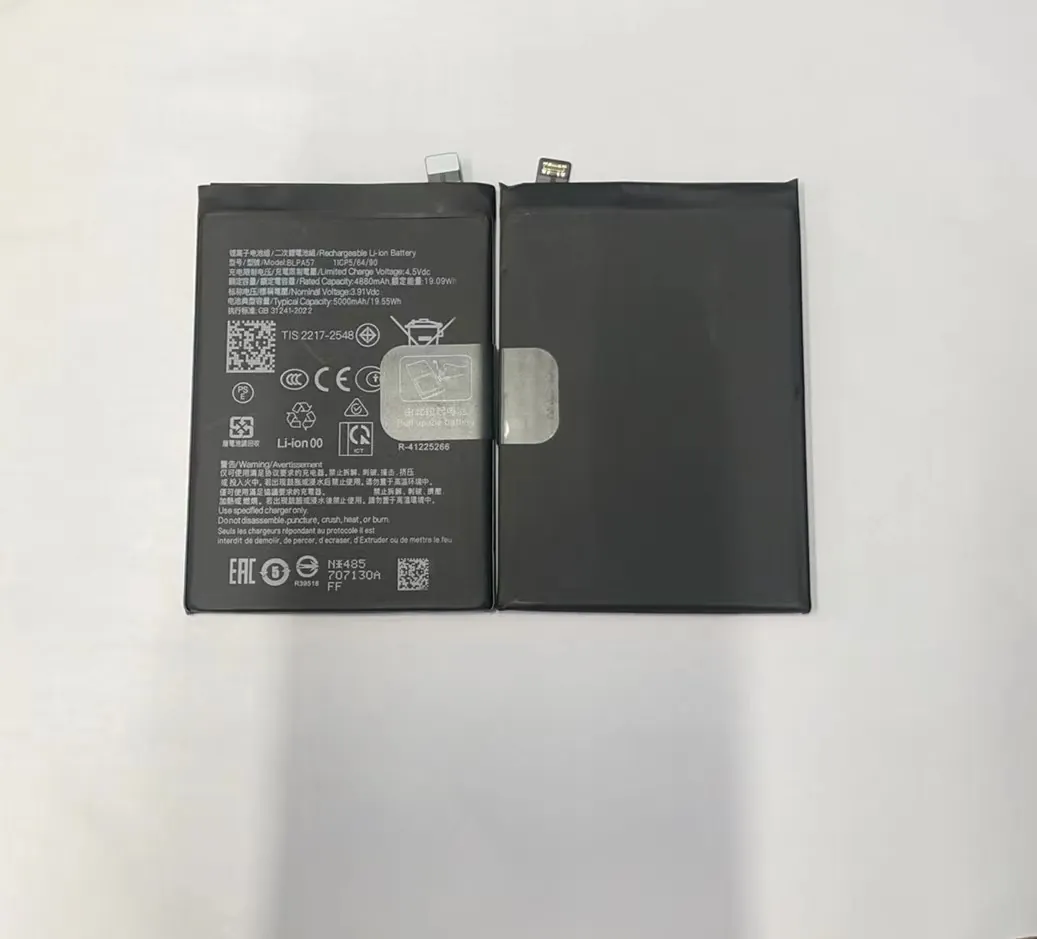
Many modern phones include intelligent features that help them last longer without charging. These features reduce power waste without hurting daily performance.
Important Endurance Features
Here are key features that help battery life:
| Feature | What It Does |
|---|---|
| Adaptive Refresh Rate | Lowers refresh rate when high speed is not needed |
| Power Saver Modes | Limits background tasks and reduces CPU speed |
| AI Usage Prediction | Learns your habits and reduces power for unused apps |
| Adaptive Brightness | Adjusts brightness based on lighting and use |
| Efficient Chipsets | Uses less power per task |
| Standby Optimization | Reduces wake‑ups when phone is idle |
These features work in combination to save power.
Adaptive Refresh Rate
Refresh rate means how often the screen updates. Higher refresh rates look smoother for games and scrolling but use more power. Adaptive refresh rate allows the phone to switch to lower rates when static, saving power.
Power Saver Modes
Power saver modes can reduce:
- CPU performance
- Background app activity
- Visual effects
- Vibration and feedback
These settings save power when battery is low or users want maximum life.
AI Usage Prediction
Some phones use machine learning to learn which apps you use at which times. The phone can then put unused apps to sleep. This reduces unnecessary power use.
Adaptive Brightness
Automatic brightness adjustment lowers brightness in dim environments and raises it in bright light. This avoids unnecessary screen power use.
Efficient Chipsets
Modern SoCs (System on Chip) are built to be more efficient. They use smaller fabrication processes and smart power gating to reduce waste.
Standby Optimization
Phones that manage standby power well lose less battery when not in active use. Good standby optimization can make a big difference overnight or during idle periods.
Combining Features for Best Life
Phones that combine these features with large battery capacity and good software optimization usually top endurance rankings.
Which brands lead battery rankings?
Some brands are known for phones that last longer on a single charge. These brands focus on power efficiency and smart software design that make their phones strong performers in battery life.
Brands that lead in battery rankings combine large cell batteries with efficient hardware and intelligent software features that extend real‑world use beyond average phones.
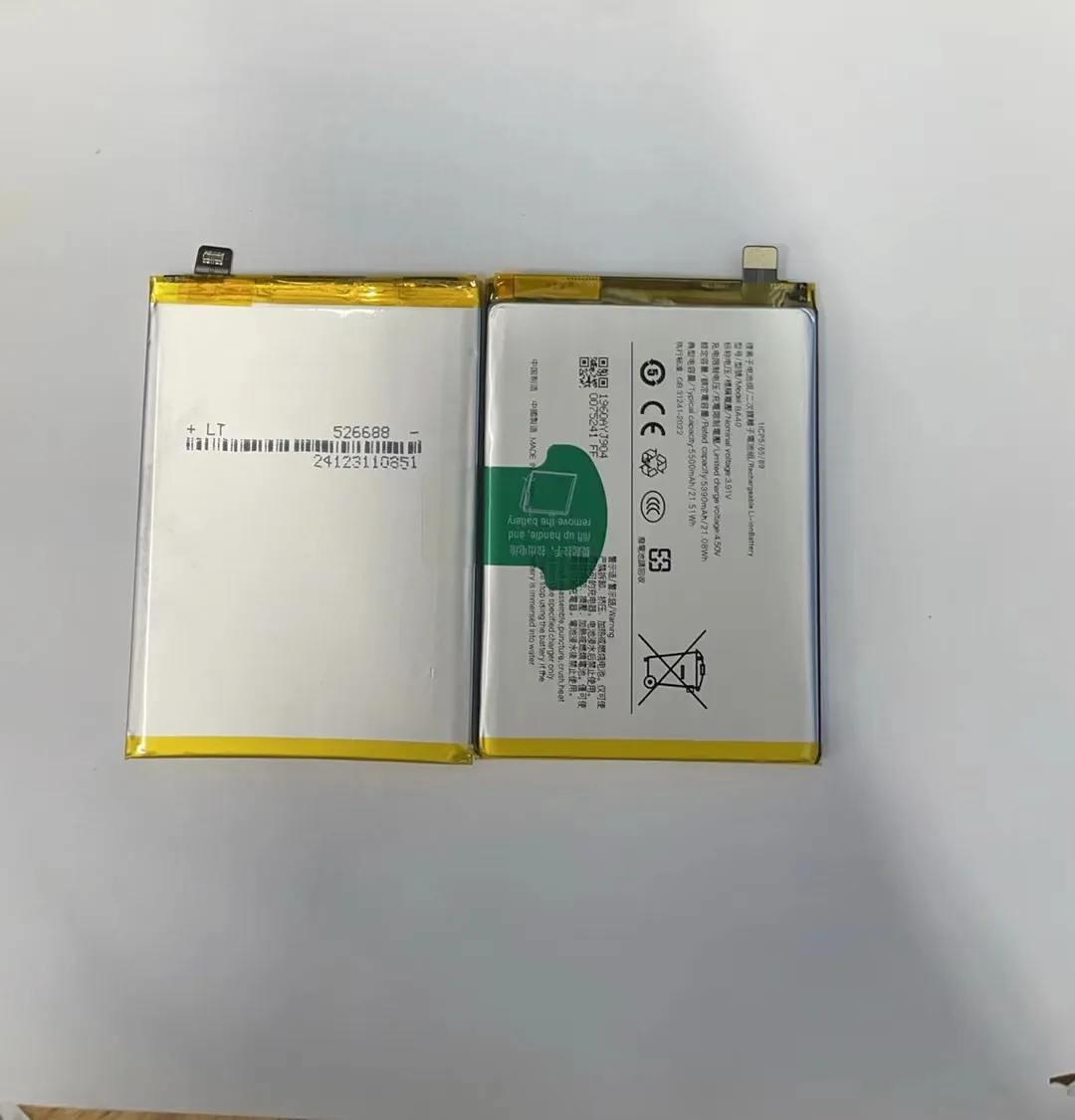
Different brands take different approaches, but those that excel in battery life often use similar tactics: efficient power draw, adaptive power modes, and aggressive background management.
Leading Brands for Battery Life
Here are brands often recognized for long battery life:
- Brand X — Known for huge battery cells and strong optimization
- Brand Y — Focuses on adaptive power use and AI prediction
- Brand Z — Balanced design with strong standby and screen optimization
- Brand A — Rugged phones with very large batteries and durable performance
- Brand B — Midrange models tuned for efficiency and daily life
These brands tend to show up in battery life test leaderboards again and again.
What Each Brand Focuses On
Below is a simple view of what these brands prioritize:
| Brand | Battery Strength | Key Approach |
|---|---|---|
| Brand X | Very High | Maximizes battery size and power saving |
| Brand Y | High | Smart software and AI learning |
| Brand Z | Balanced | Good mix of hardware and software |
| Brand A | Very High | Rugged design with big battery cells |
| Brand B | High | Efficient midrange tuning |
This table shows how different brands reach high battery life in their own ways.
Brand X: Big Cells + Smart Software
Brand X often uses the largest battery cells available and pairs them with software that limits background use. This leads to very long endurance numbers in tests and real life.
Brand Y: AI and Learning
Brand Y uses AI to learn how you use your phone and adjust power use over time. This creates personalized power savings that match your habits.
Brand Z: Balanced Optimization
Brand Z focuses on screens that don’t waste unnecessary power and balanced chip performance. They aim to give good life without sacrificing performance.
Brand A: Rugged and Power‑Heavy
Brand A’s rugged phones often use very large batteries and modest screens. These phones can last multiple days under normal use, which is excellent for field workers and travelers.
Brand B: Midrange Efficiency
Brand B focuses on midrange phones that last long without very high price tags. They use efficient chips and basic power saving to extend life beyond peers.
Why Brand Choice Matters
Brand choice influences battery life because companies invest in long‑term optimization differently. Some prioritize camera performance, others focus on screen quality or design. When a brand prioritizes battery life, its phones tend to stand out in endurance tests.
Tips When Choosing a Brand for Battery
When battery life is your priority:
- Check independent battery life tests across multiple review sites.
- Look for phones with adaptive features and efficient chips.
- Consider how the brand manages background tasks.
- Read real user feedback on battery life in daily use.
These steps help you find phones that perform best for your needs.
conclusion
Phones with the best battery life combine big battery capacity, efficient chips, smart software, and features like adaptive refresh rate and power saver modes. Top models from certain brands lead endurance tests and real‑world use. When choosing a phone for long life, look at both test results and how the phone manages power day to day.
