

Phones die too fast. Frustration grows when battery drains at noon. You need a phone battery you can trust.
Lithium‑ion batteries are generally best. They deliver high energy, long life, and stable power. They serve most phones well.
Now we explore what battery type means for phone power, charging speed, and real life use.
What are the advantages of lithium-ion batteries?
Phones often run out of power too soon. A better battery matters more than you see.
Lithium‑ion batteries offer high energy density, light weight, long lifespan, and low self‑discharge.
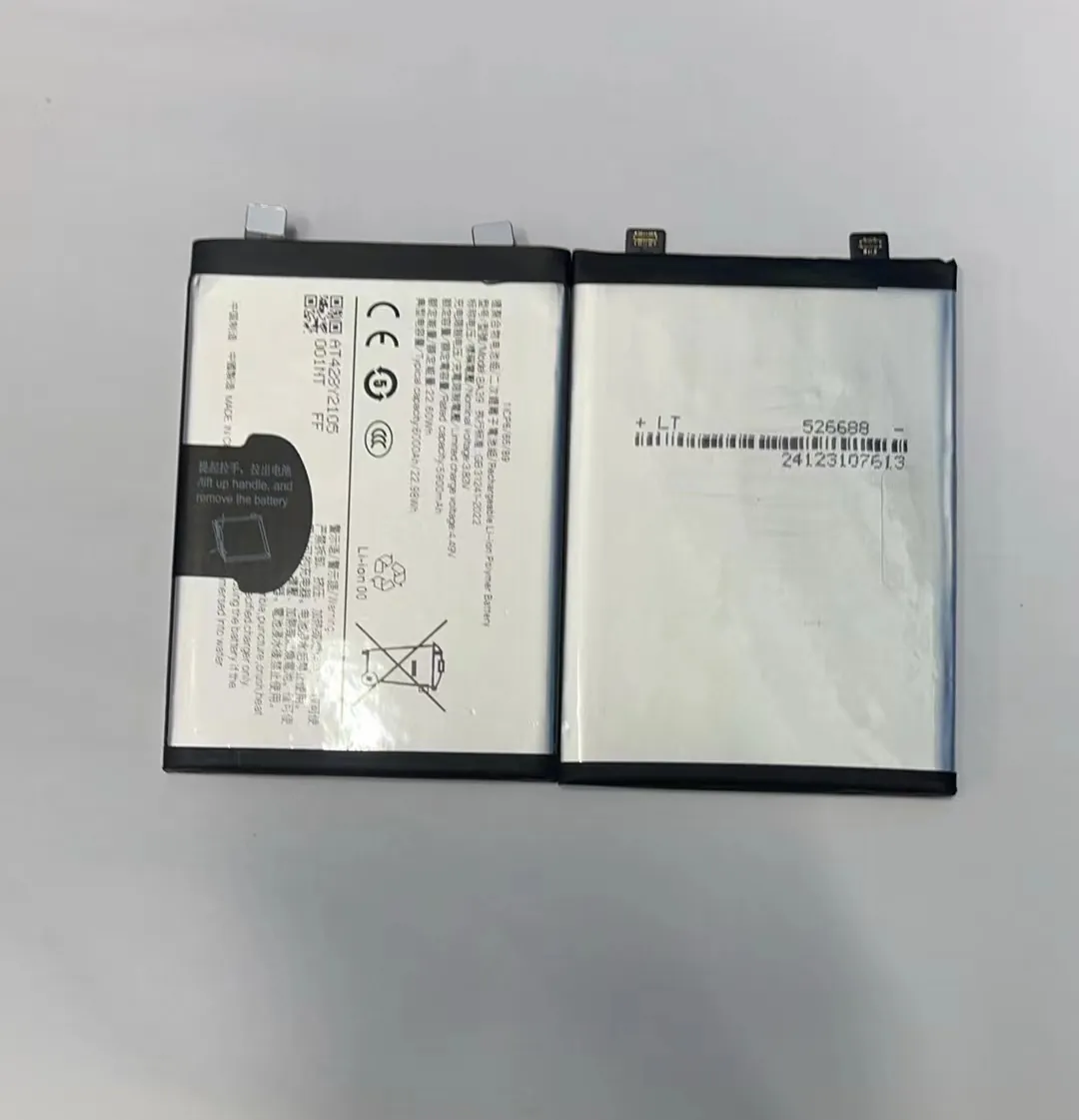
Why lithium‑ion works well
Lithium‑ion (Li‑ion) stands out among battery types for many reasons. First, it holds a lot of energy in a small space. That means phones stay charged longer while staying thin and light. Second, Li‑ion batteries last through many charges. They keep 80–90% capacity even after hundreds of cycles. That is key for phones used every day.
Li‑ion also drains slowly when not in use. If you charge at night and use next morning, you will still have most power. That helps when you avoid frequent charging. Plus, Li‑ion batteries keep voltage stable while draining. That means screen performance, data transfer, and CPU speed stay steady until battery is low.
Simple comparison
| Battery type | Energy density | Weight | Lifespan (cycles) | Self‑discharge rate |
|---|---|---|---|---|
| Lithium‑ion | High | Light | High (many cycles) | Low |
| Nickel‑Metal Hydride (NiMH) | Medium | Heavier | Moderate | Medium |
| Nickel-Cadmium (NiCd) | Low | Heavy | Lower | Higher |
Li‑ion wins on every row. Because of this, phone makers prefer Li‑ion.
Why this matters in real life
Phones are compact. Users carry them. Light weight helps comfort. High energy density lets phones stay thin and still give long talk or screen time. Long cycle life means less battery degradation over years. Low self‑discharge means battery lasts even if phone sits a bit. All these help daily life.
Because of those benefits, Li‑ion became near standard for modern phones. It balances power, size, weight, lifespan and stability.
How do battery types impact phone performance?
Battery type can change how fast phone runs, how long it lasts, and how stable it stays.
Different battery chemistries affect capacity, voltage stability, and heat — all of which change phone speed or life.
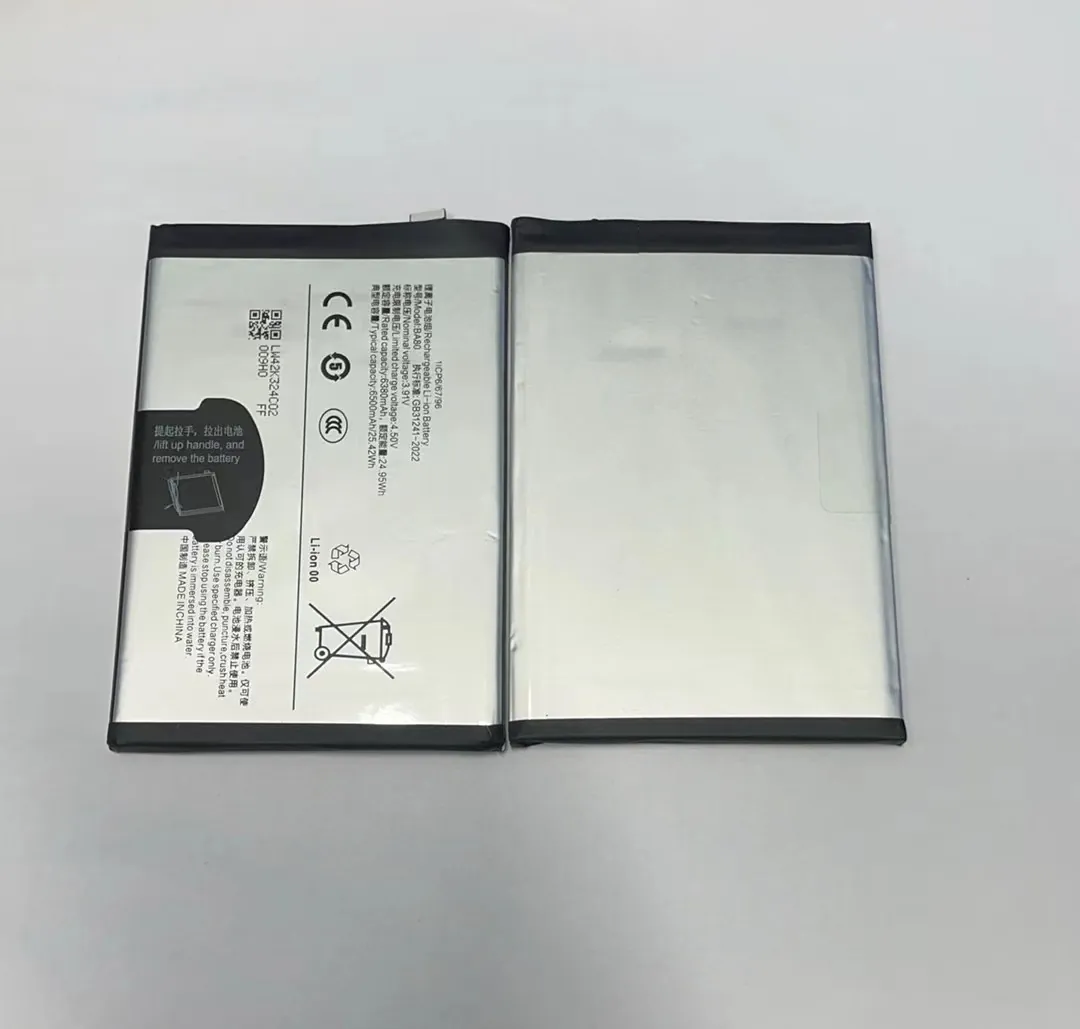
Effects on phone performance
When phone battery gives steady voltage, phone hardware works at full speed. If battery voltage drops fast or becomes unstable, CPU or radio parts may throttle. That means screen stutter, slower apps, dropped network.
If battery has lower capacity, phone will die sooner. That means user must charge more often. That adds wear and tear. Also, if battery style causes heat during use or charging, phone might throttle to avoid overheating. That slows CPU or dims screen.
Example: How different battery types compare
| Battery type | Typical phone capacity | Voltage stability | Heat generation |
|---|---|---|---|
| Lithium‑ion | High (2000–5000 mAh) | Stable | Low to moderate |
| Older NiMH / NiCd (classic phones) | Low to medium | Less stable | Higher |
| Other chemistries (rare) | Varies | Often weaker | Often higher |
Phones with Li‑ion get higher battery life and stable performance. Older batteries often gave shorter life or unstable power.
Why battery type matters more than you think
Phone makers design hardware around stable battery output. They optimize CPU speed, memory access, screen brightness, modem — all assume battery will deliver safe voltage and current. If battery type cannot supply that reliably, phones slow down or shut down to protect itself.
Also, as phones grow powerful, demand for stable high current rises. Modern phones use big CPU, 5G, bright high‑res screens. They need battery that can deliver high current without overheating. Li‑ion handles that well. Old chemistries fail here.
In short: battery type underpins user experience. It changes how long phone lasts, how fast it stays, how stable it feels.
Why are lithium-polymer batteries less common?
You may hear of lithium‑polymer (Li‑Po) batteries. They seem similar. Many people ask why they are not used more often.
Li‑Po batteries are often pricier and harder to build safely. That limits their widespread use in phones.
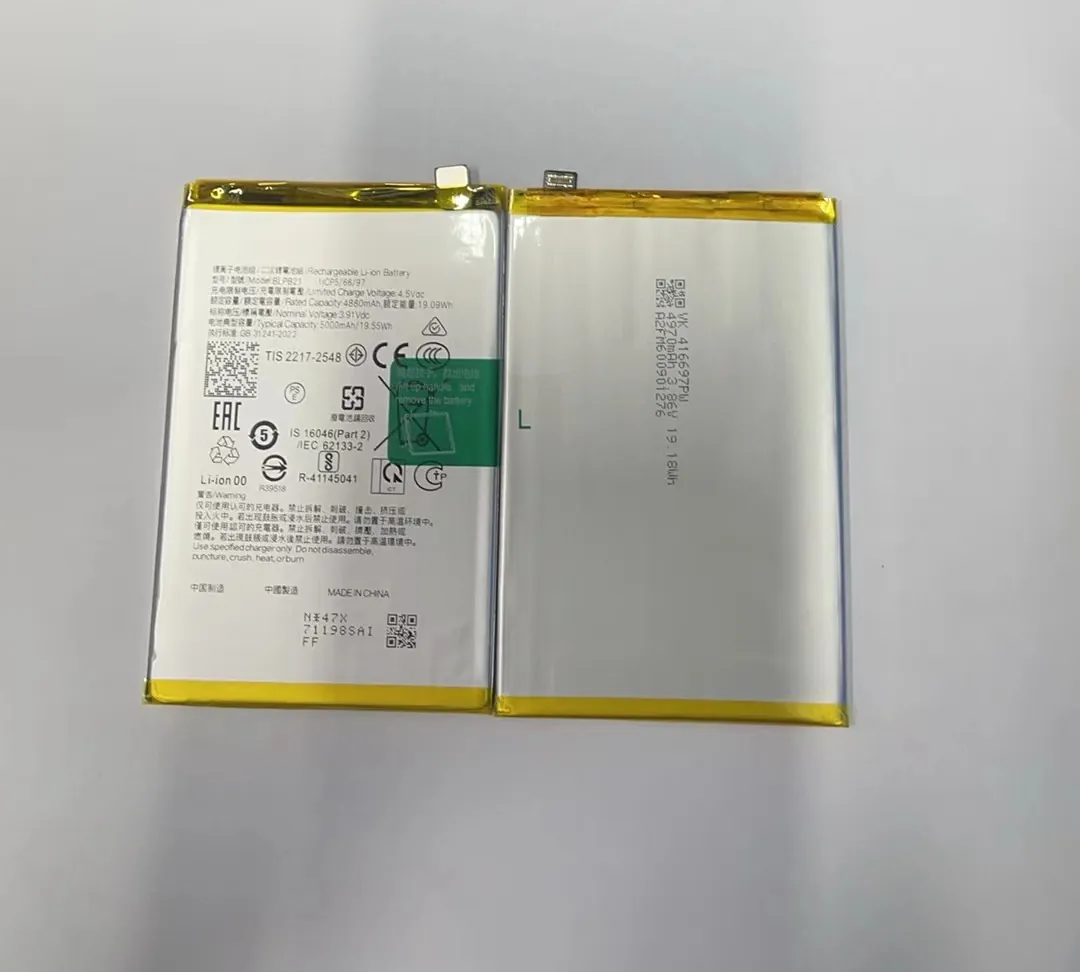
Understanding lithium‑polymer
Lithium‑polymer uses a gel or solid polymer instead of liquid electrolyte. That lets battery have flexible shape. In theory, that suits thin devices. But in practice, Li‑Po packs cost more to make. They also need careful handling to avoid swelling or damage.
Li‑Po batteries often deliver slightly less energy density than Li‑ion at same cost. They may hold similar capacity, but cost per mAh rises. For phones sold at scale, cost matters a lot.
Manufacturers must balance cost, safety, capacity, and weight. Li‑ion hits a good balance point. Li‑Po often only used in special devices where shape flexibility or extra thinness matters — like very slim tablets or wearables.
Why we see fewer phones with Li‑Po
- Cost is higher. Li‑Po cells take more labor and material control. For mass production, that adds up fast.
- Lower energy per cost. For similar money, Li‑ion usually stores equal or more energy.
- Safety concerns. Polymer gel can swell if overheated or overcharged. That creates risk. Li‑ion—while not perfect—is safer in mass phones.
- Supply chain & testing. Li‑ion already has mature manufacturing, quality control, and testing standards. Li‑Po still lags in mass‑scale manufacturing.
Because of these reasons, phone makers often choose Li‑ion. They pick it for reliability, cost control, and safety.
Can battery type affect charging speed?
Speed of charging matters a lot. People want quick top‑ups. Battery type can affect how fast you can safely charge.
Battery chemistry sets how fast current flows and how heat builds. Some types handle fast charging better than others.
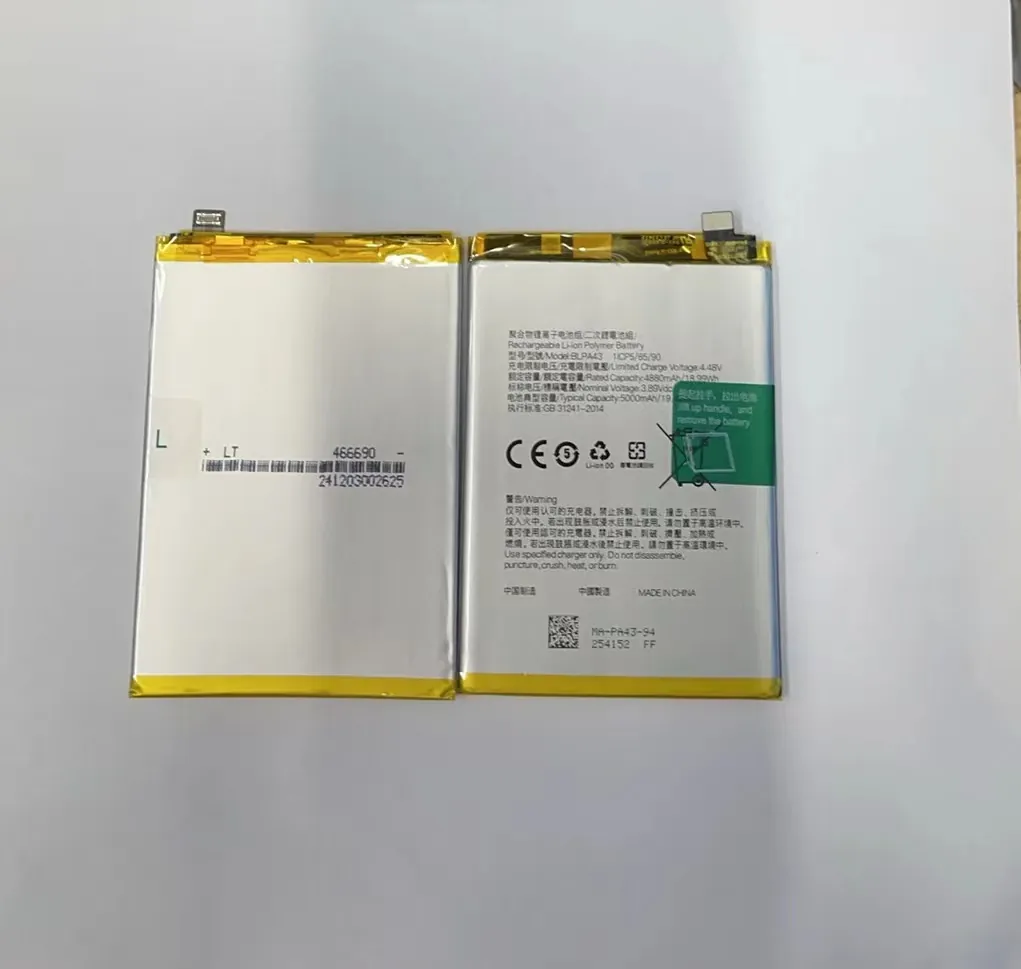
How battery chemistry links to charge rate
Li‑ion batteries accept strong current and still stay safe. Their internal resistance is low. That means charger current flows in easily. Also, battery management systems (BMS) can regulate current to avoid overheating. That allows fast charging while guarding battery health.
Other battery types often have higher resistance or simpler design. They cannot take high current. Charging may be slow or generate excess heat. That can shorten lifespan or risk damage.
Charging speed factors
- Battery internal resistance
- Battery temperature during charge
- Device’s power control design
- Battery capacity (larger batteries take longer to fill)
If battery type is good and design is right, phones can charge from zero to 50‑80% in 30–45 minutes. With weaker battery type, charging may take 1.5–2 hours or more. That affects user experience.
Why good battery type matters more now
Modern phones have large batteries (4000–5000 mAh). Fast charging makes sense. Without proper battery type, fast charging causes overheating or capacity loss. Li‑ion handles that well. Other types struggle.
So battery type affects not just total life, but also how fast phone becomes ready to go again.
Conclusion
Lithium‑ion batteries are best choice for most phones. They give long life, steady power, and handle fast charging. Battery type matters for real‑world phone use. A strong chemistry leads to better performance, longer battery life, and safer charging.
