
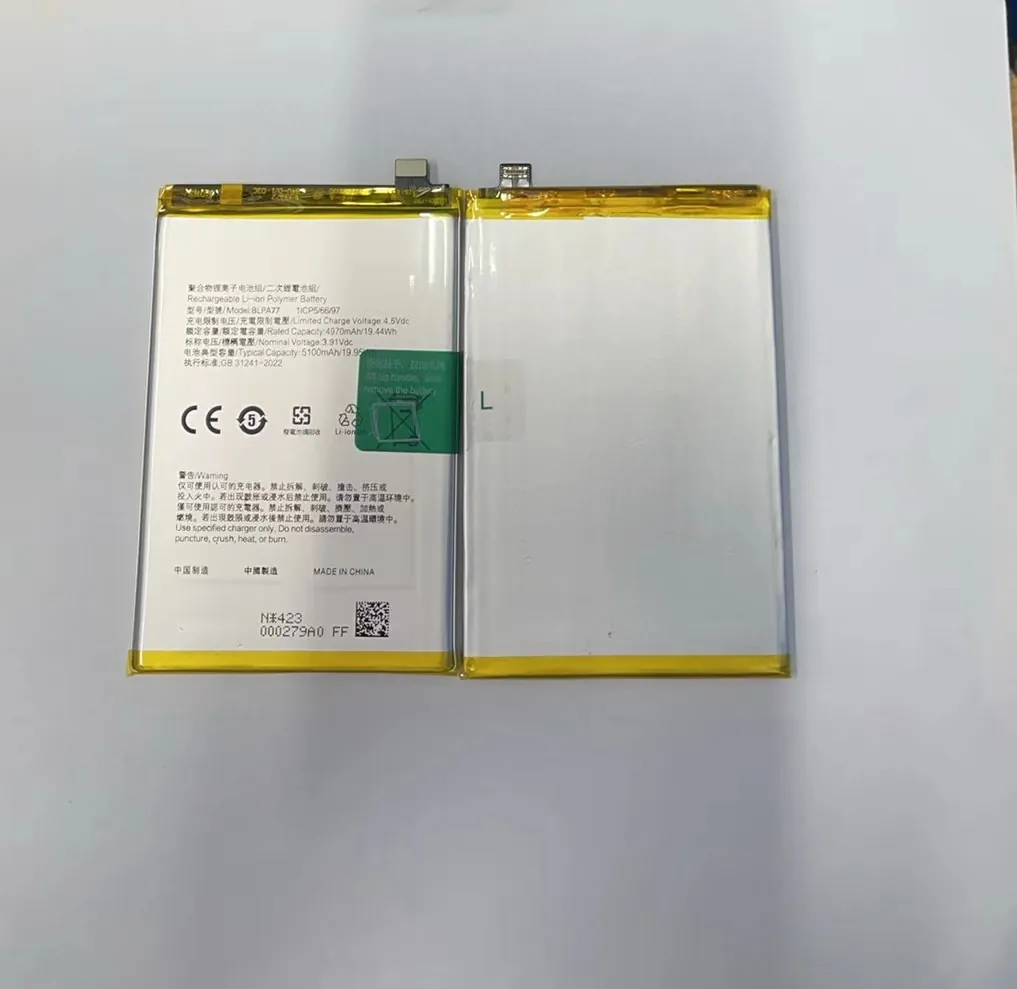
Smartphones run on a few kinds of batteries. Many use the same kind for reliability and power. Some phones try different battery types. This article explains common battery types in phones.
Most mobile phones use lithium‑ion batteries because they balance energy storage, size, and cost.
Let’s look deeper at why these batteries dominate and how other types compare.
Phones need power to drive bright screens, fast processors, and long runtimes. Battery type affects user experience, safety, and device weight. Below we explore battery choices and trade‑offs.
Why are lithium-ion batteries preferred in phones?
Phones need thin design, light weight, long battery life. Many types of batteries exist, but lithium‑ion fits well.
Lithium‑ion batteries deliver high energy, light weight, and good recharge cycles — making them the top choice for phones.
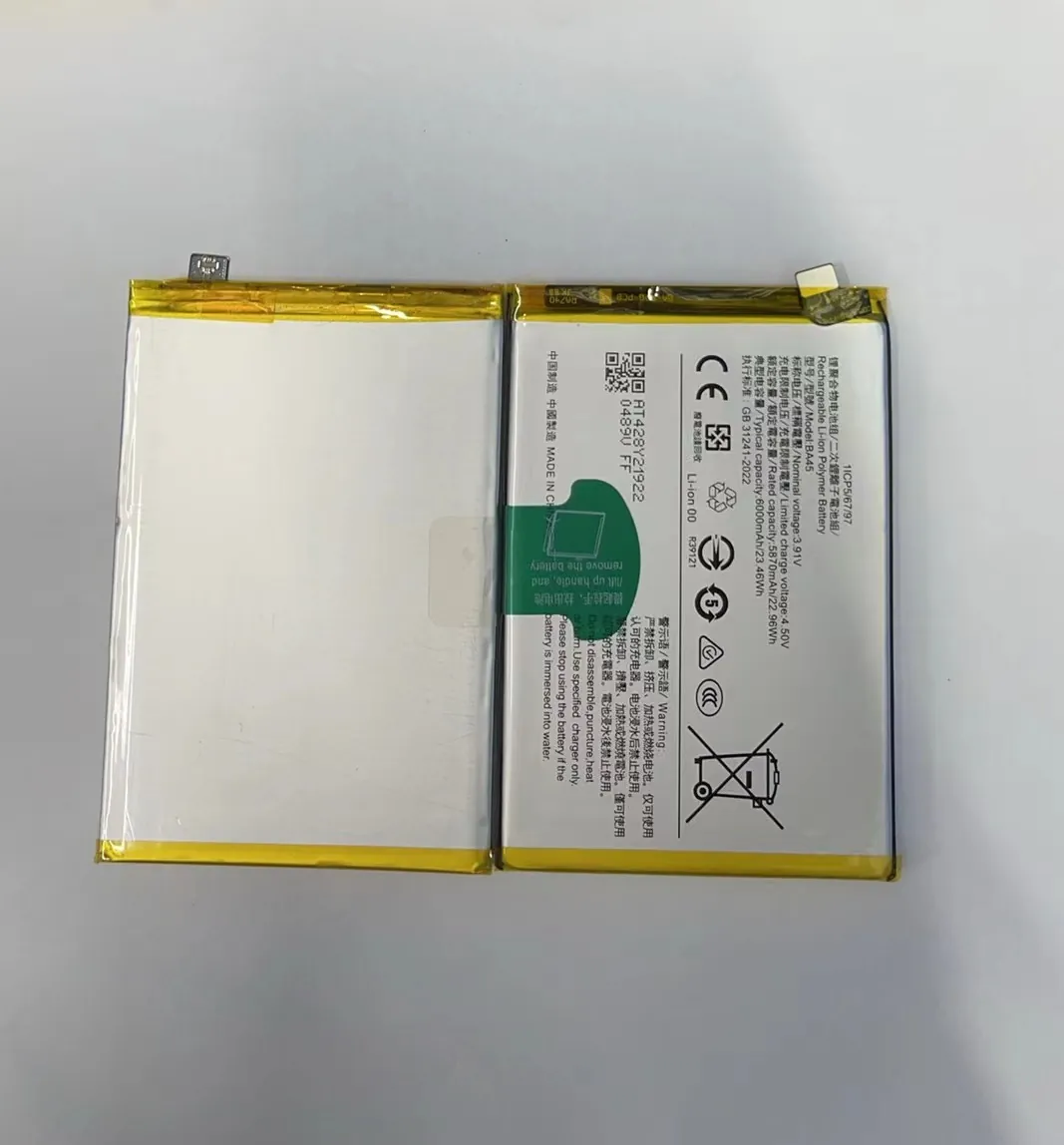
Phone makers prefer lithium‑ion because it stores a lot of energy in small space. That means phones stay slim. That matters for pocket size and comfort. The battery lasts long between charges. Also the battery can handle many charge cycles before performance drops.
Phones use lithium and related chemicals inside the battery. Those materials give high energy per gram. That makes it possible to power bright screens, fast chips, and connectivity with one battery. The battery adds little weight.
Battery capacity matters. If a battery holds low energy, users must charge often. If it is heavy or big, phone becomes bulky. Lithium‑ion balances these demands.
Recharging behavior matters too. People plug phones many times a day. Lithium‑ion handles many cycles without big wear. Other battery types lose capacity too fast when recharged often.
Also safety and reliability matter. Lithium‑ion has known manufacturing and handling standards now. Battery makers know how to make them stable. That reduces risk of battery failures, swelling, or leaks.
The combination of high energy density, small size, light weight, many recharge cycles, stable behavior, and reliable supply makes lithium‑ion ideal for phones. Most phone models in market use it.
How do battery types affect phone performance?
Battery type changes how phone performs in power, weight, and lifespan. Bad battery choice can reduce speed, runtime, or safety. Good battery helps phone feel fast, last long, and stay slim.
Battery type shapes phone runtime, charging speed, battery life span, and even the weight and size of the device.
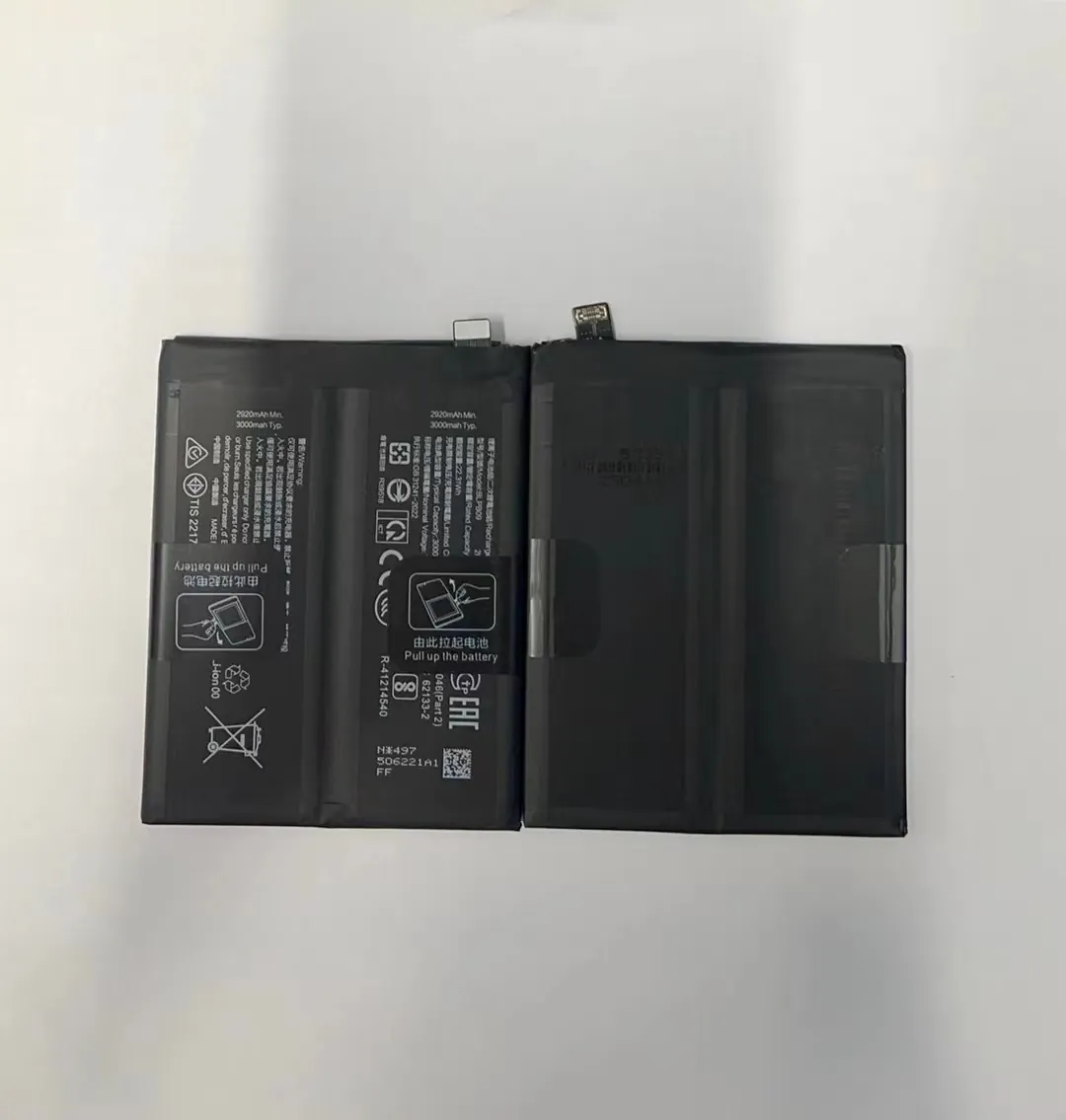
Phones need different traits. Some need long runtime. Others need slim size. Some need fast charging. Different battery types give different trade‑offs. Below is a table summarizing how battery type influences phone performance and user feel.
| Battery type | Energy Density | Weight & Size | Charge Cycles | Typical Performance Impact |
|---|---|---|---|---|
| Lithium‑ion | High | Light and thin | Good (hundreds to thousands) | Long runtime, slim design, balanced life span |
| Polymer (Li‑Po) | Medium–High | Very thin, flexible | Similar to Li‑ion | Very thin phones, flexible shape, moderate energy |
| Solid‑state (prototype) | Potentially very high | Could be thin & safe | Unknown or high | Longer runtime, safer, possibly slimmer |
Battery energy density means how much power can store per weight or volume. High density lets phone work many hours while staying light. That affects how long you can watch videos, browse web, or talk without charge.
Weight and size also matter. Heavy battery makes phone bulky. That hurts portability. Lightweight battery lets designers make thin, elegant phones.
Charge cycles matter for battery life span. Charge cycles show how many times you can recharge before battery capacity drops significantly. If battery dies quickly after many charges, phone life becomes shorter.
Battery type also affects heat and charging speed. Some batteries heat more when charging fast. Heat can degrade battery or slow phone. If battery handles heat well, phone can support fast charging safely.
If battery type stores less energy, phone may need larger battery or more frequent charging. That hurts user comfort. If battery type is heavy, phone feels heavy. If battery cannot handle many cycles, battery life may drop after a year or two.
Choosing a battery means balancing these factors. That is why most phones use lithium‑ion: it gives good mix of runtime, weight, size, and lifecycle. Polymer and other types offer alternatives.
Are there phones using solid-state batteries?
People expect battery technology to improve. One hope is solid‑state batteries. They promise higher energy, better safety. But are there phones using them now?
At this time, very few — or no — mainstream phones use solid‑state batteries because the technology is still under development and not yet mass‑produced.
Solid‑state batteries use solid materials instead of liquid or gel electrolytes. That can make them safer. They might store more energy per weight. That means phones could run much longer on one charge. Those batteries might also shrink battery size.
Researchers and battery makers work on solid‑state designs. They test materials, safety, durability. Some prototypes show promise. They may hold more energy. They may resist heat and pressure better. That reduces risk of leaks or fires.
Still there are challenges. Solid‑state batteries sometimes struggle with manufacturing at scale. Producing them is more expensive. Suitable materials may degrade over many cycles. That hurts long‑term battery life.
Phones need many pieces: battery, charging controller, safety circuits. Adapting solid‑state batteries requires re‑design of parts. That adds cost and time.
Also testing must confirm safety after many charges, many months, rough use. That is not trivial. Battery makers must prove reliability before shipping to many users.
Because of those hurdles, most phone makers stick with lithium‑ion or polymer today. Some companies announce plans to use solid‑state batteries in future phones. But as of now, no widely available phone has certified solid‑state battery for commercial release.
I read about some prototypes and test phones years ago. They looked promising. But I did not see mass‑market phones adopt them. So for now, solid‑state remains hope for future, not current reality.
What are the pros and cons of polymer batteries?
Some phones use polymer batteries (lithium‑polymer). They differ a bit from standard lithium‑ion. They offer some benefits. They also have trade‑offs.
Polymer batteries give flexible shape and thin design but they cost more and sometimes store slightly less energy per weight than lithium‑ion.

Polymer battery uses a soft plastic film instead of metal casing. That allows battery to be thin or shaped in flat layers. That helps phone makers design thin phones or odd shapes. Battery might fit curved edges or slim bodies.
Also polymer battery weighs less or same but can make phone slimmer. That improves handling and pocket feel. Battery shape is easier to customize. That helps design.
But polymer batteries also cost more. The materials and manufacturing involve more steps. That might increase phone price. Some polymer batteries store slightly less energy per gram than the best lithium‑ion. That reduces runtime a little.
Also some polymer batteries may suffer swelling or capacity drop over time if quality is not high. Good manufacturing and quality control matters.
Below is a table summarizing main pros and cons of polymer batteries:
| Advantage (Pros) | Disadvantage (Cons) |
|---|---|
| Flexible, thin, and customizable shape | Higher cost compared to standard lithium‑ion |
| Light weight or slim battery design | Slightly lower energy density |
| Better fit for slim or curved phones | Potential for more capacity drop if low quality |
| Safer in shape, less rigid casing | More sensitive to manufacturing defects |
Phones with tight design and slim profile often choose polymer batteries. That helps phone look slim and modern. The battery layer sits nicely under thin metal or glass shell.
But not all polymer batteries are equal. Good quality polymer battery requires strict control in material and assembly. If standards slip, battery may swell, overheat or lose capacity fast. That is bad for users. That is why phone makers must test carefully.
Also polymer battery slightly lower energy density means phone may need larger battery volume or charge more often. For heavy users, that matters. Designers must compromise: either make battery larger to match runtime or accept shorter battery life.
In short, polymer battery gives design flexibility and slimness. But it costs more and requires high manufacturing quality. The trade‑off is between looks/shape and price/runtime.
Given today’s phone market, many makers use lithium‑ion for balance. Some premium or design‑focused phones use polymer for thinness or custom shape.
Conclusion
Smartphones use mainly lithium‑ion batteries now because they pack much energy in small, light form and recharge well. Other types like polymer add design flexibility while solid‑state tries to offer better performance in future. Every battery type brings trade‑offs in size, runtime, cost, and reliability.
