

Most people use their phones daily but have no idea what powers them inside. Have you ever wondered what type of battery keeps your phone running for hours?
The majority of modern smartphones use Lithium-ion (Li-ion) or Lithium-polymer (Li-Po) batteries due to their high energy density, lightweight structure, and rechargeability.
Mobile batteries seem simple, but there’s much going on behind the scenes. Let’s explore why Li-ion became the industry standard and what factors influence battery choice.
What makes Li-ion the standard?
Battery types have evolved a lot, but why does Li-ion continue to dominate in mobile phones?
Li-ion batteries are widely used because they are lightweight, last longer, and provide consistent power without needing frequent charging.
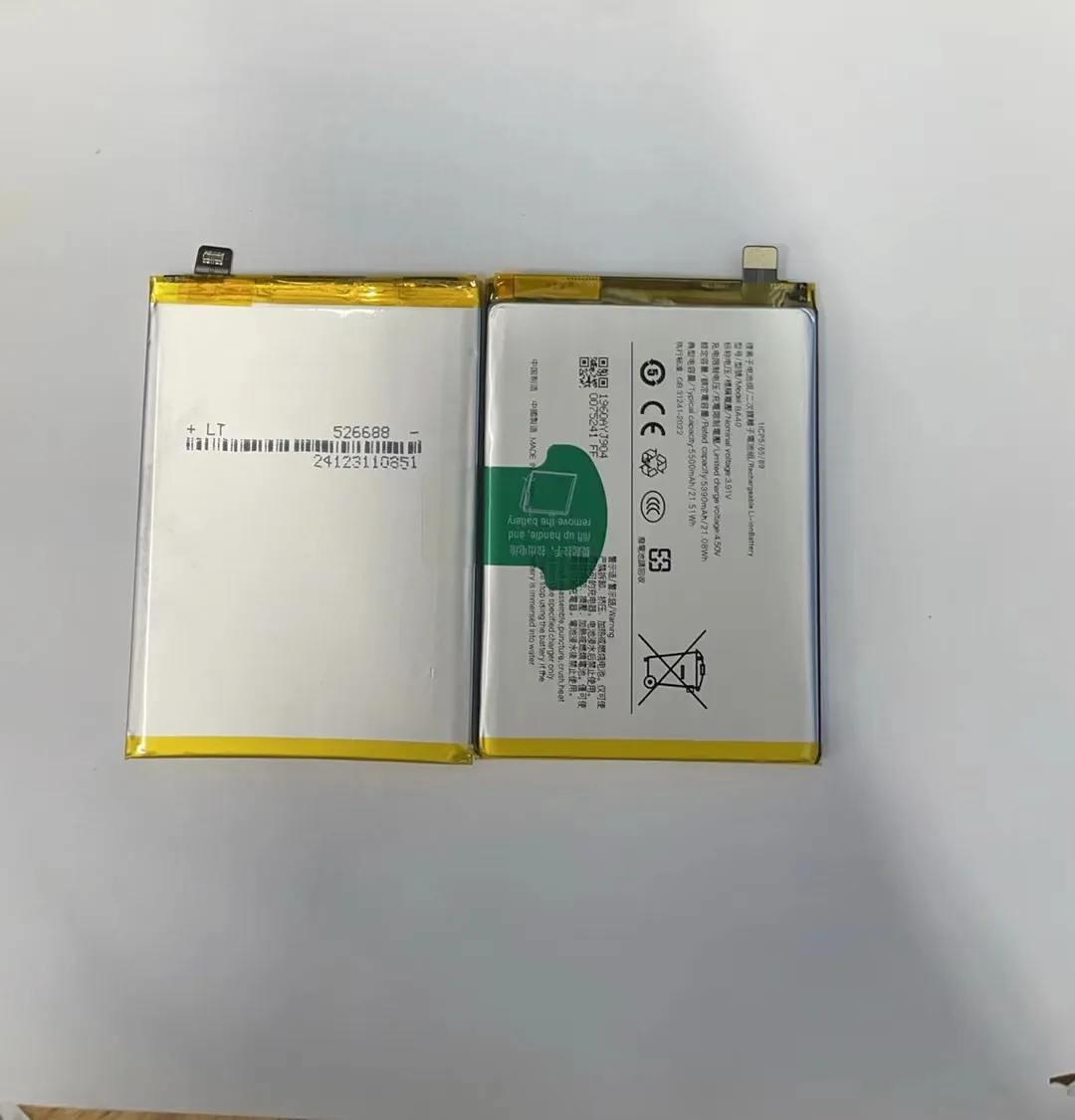
Li-ion batteries became popular because they solved many of the problems older battery types had. For example, Nickel-Cadmium (NiCd) batteries had memory effect, meaning they lost capacity over time if not fully discharged. Nickel-Metal Hydride (NiMH) batteries improved on this but were still bulky and didn't store enough energy for smartphones.
Li-ion batteries changed the game. They don’t suffer from memory effect, can store a lot of energy in a small size, and charge quickly. Their chemistry allows for better energy-to-weight ratio, which is exactly what mobile devices need.
Key Benefits of Li-ion Batteries
| Feature | Benefit |
|---|---|
| High energy density | Longer battery life in smaller size |
| No memory effect | More flexible charging habits |
| Lightweight | Better portability for slim phones |
| Fast charging | Users get back to work quicker |
| Low self-discharge | Can sit unused without losing charge fast |
Every new smartphone generation pushes for better performance, thinner bodies, and more features. All of this demands a battery that’s compact yet powerful—Li-ion fits this need perfectly.
Battery engineers and designers prefer Li-ion because it's a proven, scalable, and safe technology when handled properly. While new battery types are being researched, none have yet matched Li-ion’s balance of reliability and cost.
How do components affect choice?
Every phone is different. What’s inside the device can determine the best battery to use.
Battery type is often chosen based on the phone’s size, features, and power requirements of components like screens, processors, and cameras.

The battery is just one part of the whole power management system. It must work together with the screen, the CPU, the RAM, and the other internal parts. When a manufacturer builds a phone, they must consider how much energy these parts will consume and how often the user needs to recharge.
For example, high-resolution OLED screens or 120Hz refresh rates consume more energy. So the battery must provide higher output without getting too hot or taking too much space.
The size of the phone also matters. A slim phone doesn’t have space for a thick battery. Engineers often pick a flat and wide battery design, which may influence whether Li-ion or Li-Po is used.
Matching Batteries to Phone Components
| Phone Component | Battery Requirement |
|---|---|
| OLED screen | Stable voltage and longer usage time |
| 5G processors | Quick discharge response, high output |
| Multiple cameras | High peak power, fast recharge |
| Gaming features | Efficient heat management |
| Foldable screens | Flexible or shaped battery layout |
When I work with clients choosing parts for repair or refurbishing, they often ask why one battery type is used over another in different models. The answer always goes back to the phone's hardware setup and user experience goals.
A good battery isn't just powerful—it must fit well, charge safely, and support every part of the phone.
Why polymer variants are common?
If Li-ion is so good, why do so many phones now use Li-Po batteries instead?
Polymer batteries are popular because they are more flexible, safer, and allow for thinner and lighter phone designs.
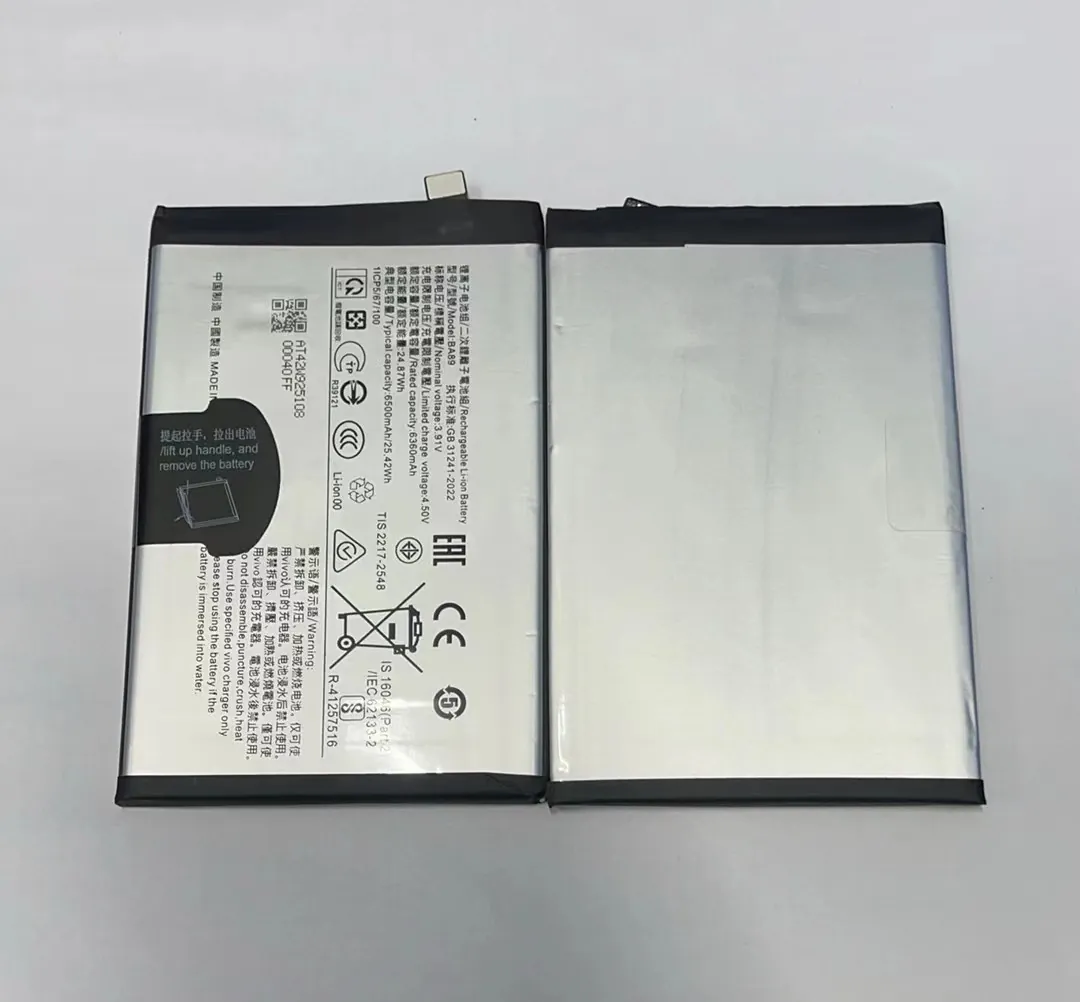
Li-Po batteries are a type of Li-ion battery. The main difference is in the electrolyte. Li-ion uses a liquid, while Li-Po uses a gel-like or solid polymer. This change makes Li-Po batteries more stable and gives designers more freedom in shaping the battery.
This is why many ultra-slim phones, wearables, and high-end flagships use Li-Po batteries. The gel-like material can be spread thinner, and the battery can be molded into non-traditional shapes.
Polymer variants are also less likely to leak, which reduces the risk of damage in case of manufacturing defects or physical impact.
Why Designers Love Li-Po Batteries
- They can be made thinner than traditional Li-ion cells.
- They offer more flexible shapes and layouts.
- They weigh less.
- They have lower chances of swelling or leaking.
In my business, when clients order custom battery replacements or ask for sourcing specific battery types, I often recommend Li-Po for devices that need lightweight or thin options. They are a bit more expensive, but the advantages often justify the cost.
Still, Li-Po batteries are not perfect. They can degrade faster if misused and are often more fragile. That’s why proper testing before shipping is so important, especially in wholesale supply chains.
Which types suit compact devices?
Small devices like wearables or mini smartphones have different needs. What kind of battery works best here?
For compact or flexible devices, Lithium-polymer (Li-Po) batteries are often preferred due to their lightweight, thin, and flexible structure.

In compact devices, every millimeter matters. These gadgets have tiny spaces, so the battery must fit precisely. Li-Po batteries are great for this because they can be shaped into thin rectangles, squares, or even curves.
Smartwatches, fitness bands, and mini phones often use Li-Po cells. These batteries provide just enough energy while keeping the device light and wearable.
Comparison of Battery Types in Small Devices
| Device Type | Common Battery Type | Reason |
|---|---|---|
| Smartwatch | Li-Po | Lightweight and fits small spaces |
| Fitness Tracker | Li-Po | Thin and flexible |
| Bluetooth Earbuds | Li-ion (small cell) | Compact with enough energy |
| Foldable Phones | Custom Li-Po | Flexible layout needed |
I’ve had customers ordering bulk smartwatch batteries who ask why we don’t use standard Li-ion. I explain that regular Li-ion cells are too bulky and not flexible. Using Li-Po lets manufacturers keep the device thin and attractive.
Also, in the wearable market, customer safety and comfort are key. Li-Po batteries, being less prone to leaking or swelling, provide better peace of mind for both sellers and users.
Conclusion
Li-ion and Li-Po batteries dominate the mobile world because they offer the right mix of power, safety, and flexibility. Choosing the right one depends on the device’s size, shape, and energy needs.
