

Your iPhone 12 was working fine, then suddenly it went completely dead. It won’t charge, won’t turn on, and shows no signs of life. Naturally, you’re worried your data is gone forever.
The most common reason an iPhone 12 suddenly won’t turn on is a logic board failure rather than a bad battery or screen. The iPhone 12’s dual-layer “stacked” logic board can develop internal faults over time, causing sudden power loss that requires professional microsoldering repair.
Although this sounds serious, it’s often repairable. Understanding why this happens—and how technicians fix it—can help you decide the next step calmly and correctly.
Is a stacked logic board the reason my iPhone 12 died?
Hearing “logic board failure” can feel like the end of the road. But in reality, this design explains why the issue is common—and fixable.
Yes, the stacked logic board used in the iPhone 12 is a leading cause of sudden power failure. While it saves space, the solder connections between the two board layers can fail from heat, flexing, or long-term stress, cutting power completely.
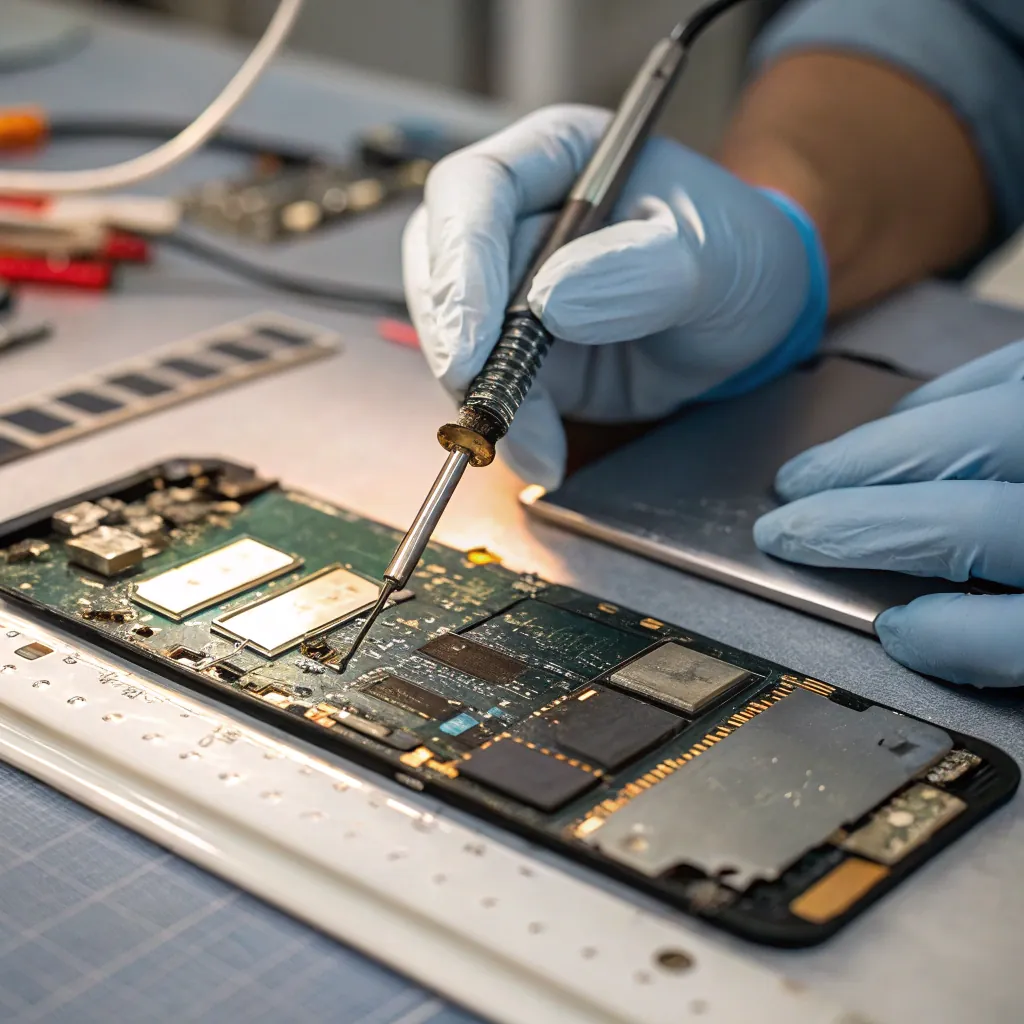
The logic board is the phone’s control center. It contains the CPU, memory, power management chips, and all critical circuits. Unlike older iPhones with a single board, the iPhone 12 uses a “sandwich” design—two boards stacked and connected by hundreds of microscopic solder balls.
This design allows for a thinner phone and more internal components, but it introduces a weakness.
Why stacked boards fail:
- Heat cycles – Daily use heats and cools the board, stressing solder joints
- Minor flexing – Pocket pressure or small bends add mechanical stress
- Manufacturing tolerances – Tiny imperfections can worsen over time
When even one key connection fails, power and data flow stop instantly. The phone appears completely dead, even though many parts are still fine.
| Board Design | Advantages | Disadvantages |
|---|---|---|
| Single-layer board | Durable, easier to repair | Takes more internal space |
| Stacked board (iPhone 12) | Compact, efficient layout | Higher risk of internal connection failure |
This means a sudden shutdown is often not user error—it’s a design-related failure that a skilled technician can address.
How do technicians find the real problem on the logic board?
A dead phone feels mysterious, but professional diagnosis follows a clear, logical process—not guesswork.
Technicians diagnose a dead iPhone 12 using power measurements, logic board separation, thermal imaging, and multimeter testing to pinpoint shorts or broken circuits with precision.
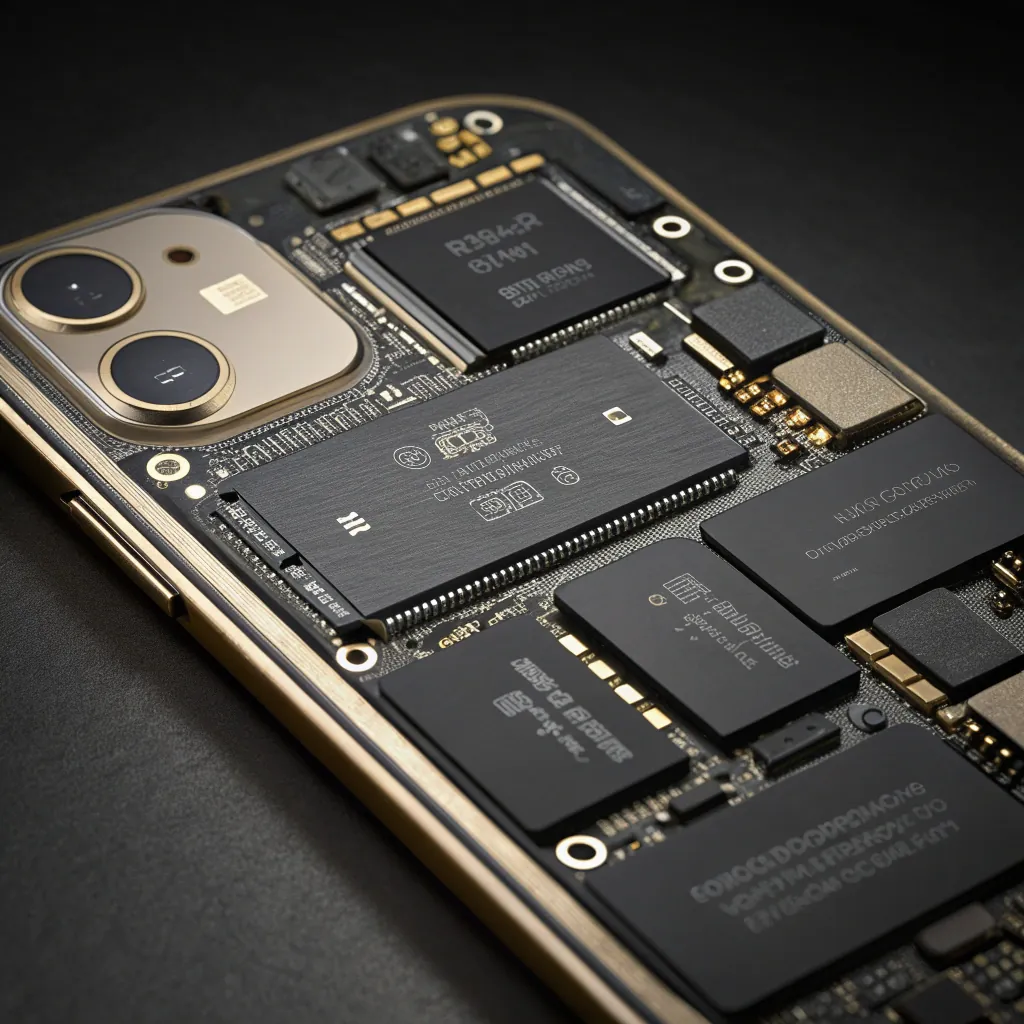
Proper diagnosis is critical. Replacing random parts wastes money and risks permanent damage. Here’s how professionals approach it.
Step 1: Power consumption testing
The phone is connected to a DC power supply:
- No current draw – A broken power line or disconnected circuit
- Excessive current draw – A short circuit sending power straight to ground
Short circuits are one of the most common causes of sudden death.
Step 2: Separating the stacked board
If a board-level issue is confirmed, the two layers must be separated. This requires precise heating to melt solder without damaging chips or pads.
Step 3: Thermal camera detection
A small voltage is applied while viewing the board through a thermal camera. The faulty component heats up instantly, glowing on-screen and revealing the exact failure point.
Step 4: Multimeter confirmation
A multimeter is used to confirm abnormal resistance or grounding at the identified component, ensuring the diagnosis is correct before repair begins.
This structured process ensures the real cause is found, not guessed.
Can a “dead” iPhone 12 logic board actually be repaired?
Many people are told their only option is a full logic board replacement—meaning total data loss. This is not always true.
Yes, a dead iPhone 12 logic board can often be repaired using microsoldering. By replacing only the failed component on the original board, technicians can restore functionality while preserving all user data.
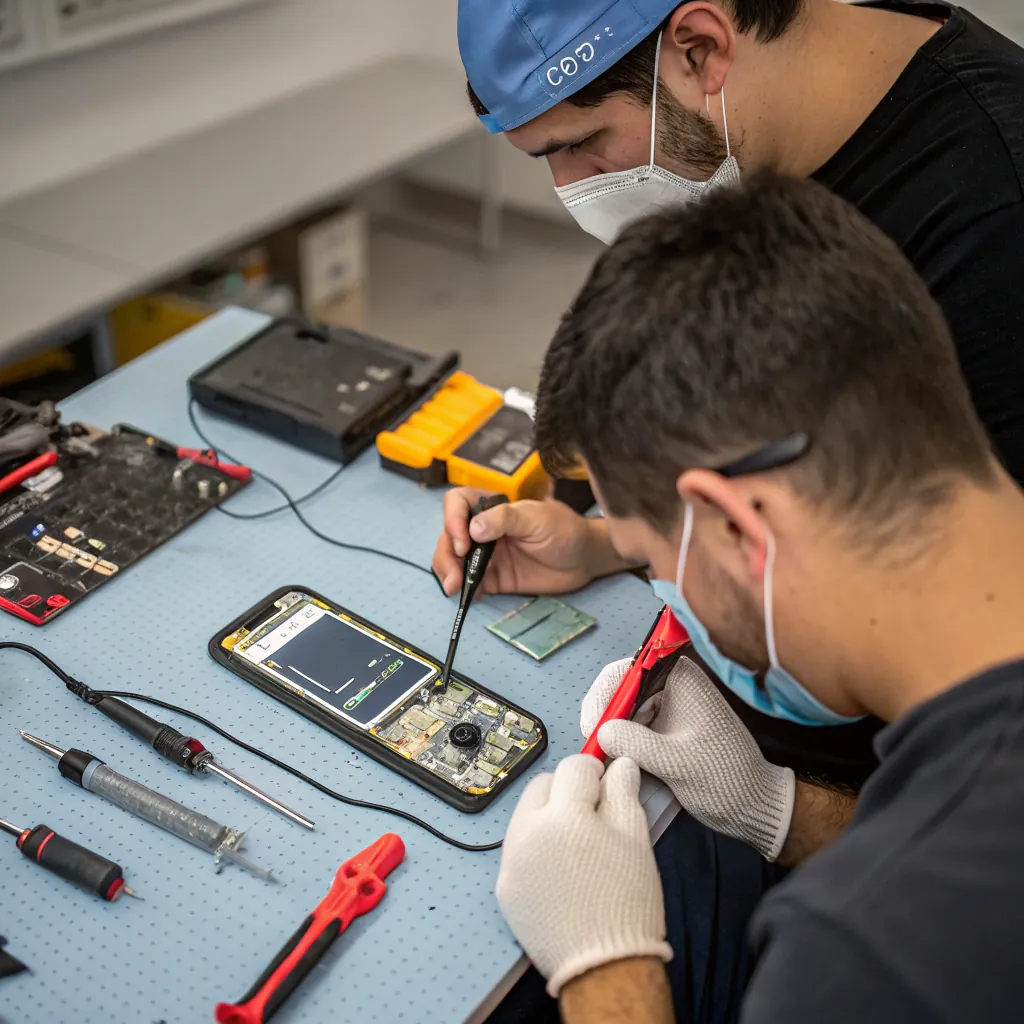
Your data is stored on the NAND memory chip, which is cryptographically paired with the CPU. Replacing the entire logic board breaks this pairing and permanently erases access to your data unless you have a backup.
Microsoldering avoids this by fixing your original board.
What microsoldering involves:
- Removing the failed component using controlled hot air
- Cleaning and preparing solder pads on the board
- Installing a new, identical component with precision
- Re-stacking the logic board layers after repair
Because the CPU and NAND remain untouched, the phone boots up with all photos, messages, and contacts intact.
For users, this means data recovery and device restoration. For repair businesses, it means offering a real solution instead of declaring the phone “unrepairable.”
Conclusion
A suddenly dead iPhone 12 is not necessarily a lost cause. In many cases, the stacked logic board design is responsible, and professional microsoldering repair can bring both the phone and your data back to life. Choosing an experienced technician is the key to a successful and reliable repair.
