

Many people face the same problem: their mobile phone battery drains too fast. The phone is fine, but the battery cannot last a full day anymore.
Yes, you can get new batteries for mobile phones. You can replace an old or damaged one with a new, compatible battery to restore your phone’s performance and extend its lifespan.
Replacing a phone battery is not only possible but also practical. It saves money, supports sustainability, and helps you keep using a phone you already love.
What Is a Mobile Phone Battery?
A phone without a battery is just a piece of plastic and metal. When the battery dies, the phone loses its heart.
A mobile phone battery is a rechargeable power source, usually lithium-ion or lithium-polymer, that supplies energy to your phone’s internal components.
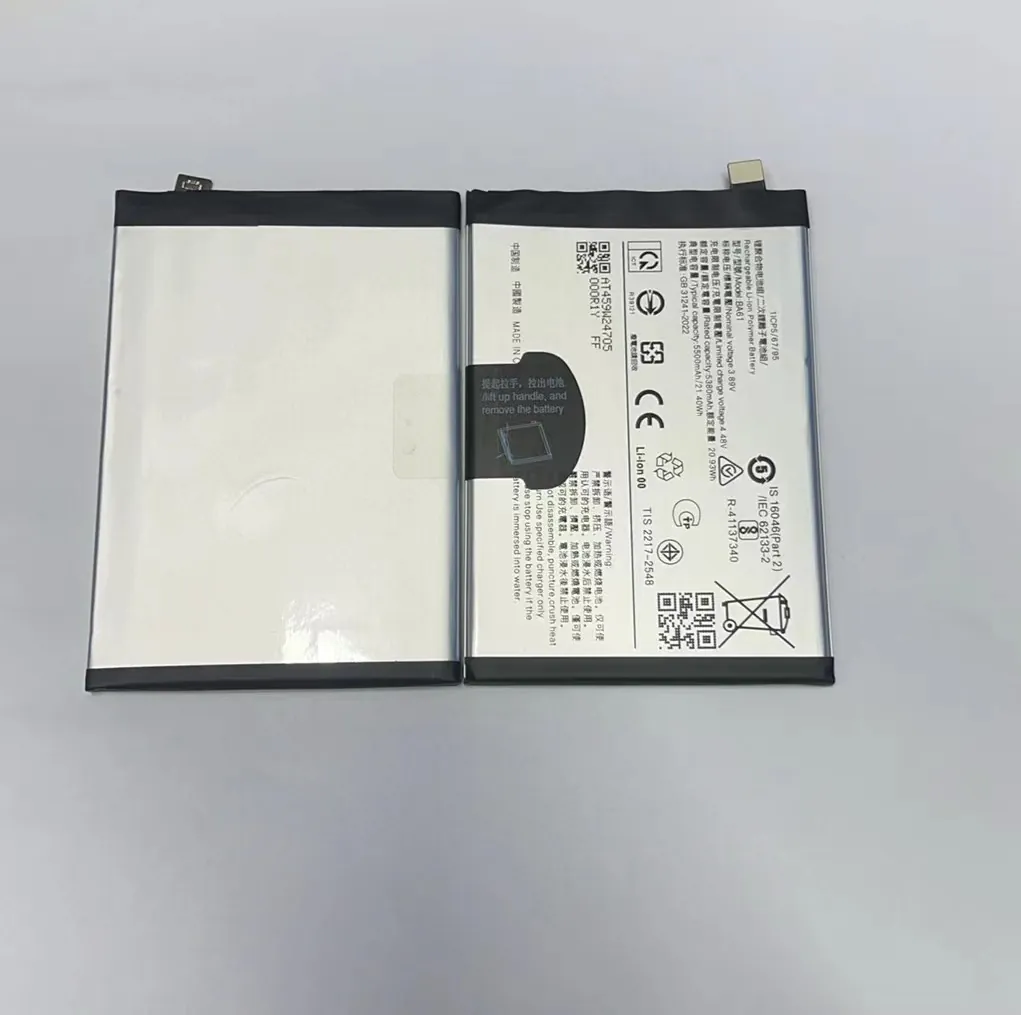
Today’s phone batteries are small but powerful. They store enough energy to keep a smartphone running for hours of calls, video streaming, and app use. Over time, however, chemical reactions inside the battery cause it to lose capacity. Most batteries start to degrade after 500 to 800 charge cycles.
Types of Mobile Phone Batteries
There are mainly two types of batteries used in phones today:
| Battery Type | Features | Common Use |
|---|---|---|
| Lithium-ion (Li-ion) | High energy density, longer lifespan | Most smartphones |
| Lithium-polymer (Li-Po) | Lighter, flexible shapes, safer | Slim or high-end devices |
Older phones once used Nickel-Metal Hydride (NiMH) or Nickel-Cadmium (NiCd) batteries, but those are no longer common. Lithium-based technology dominates due to its efficiency and weight advantage.
Why Batteries Degrade
Every charge and discharge cycle wears the battery down a little. Heat, overcharging, and physical damage also accelerate this process. Even when not used, batteries slowly lose capacity. Manufacturers design them to last two to three years, but real-life use often shortens that period.
So, when your phone shuts off at 30% or feels hot after a few minutes of use, the battery might be the problem—not the phone itself.
What Is the Value of Getting a New Mobile Phone Battery?
When your phone starts dying fast, you may think about buying a new one. But a simple battery replacement can save you hundreds of dollars.
The value of getting a new phone battery lies in cost efficiency, better performance, and environmental benefits.
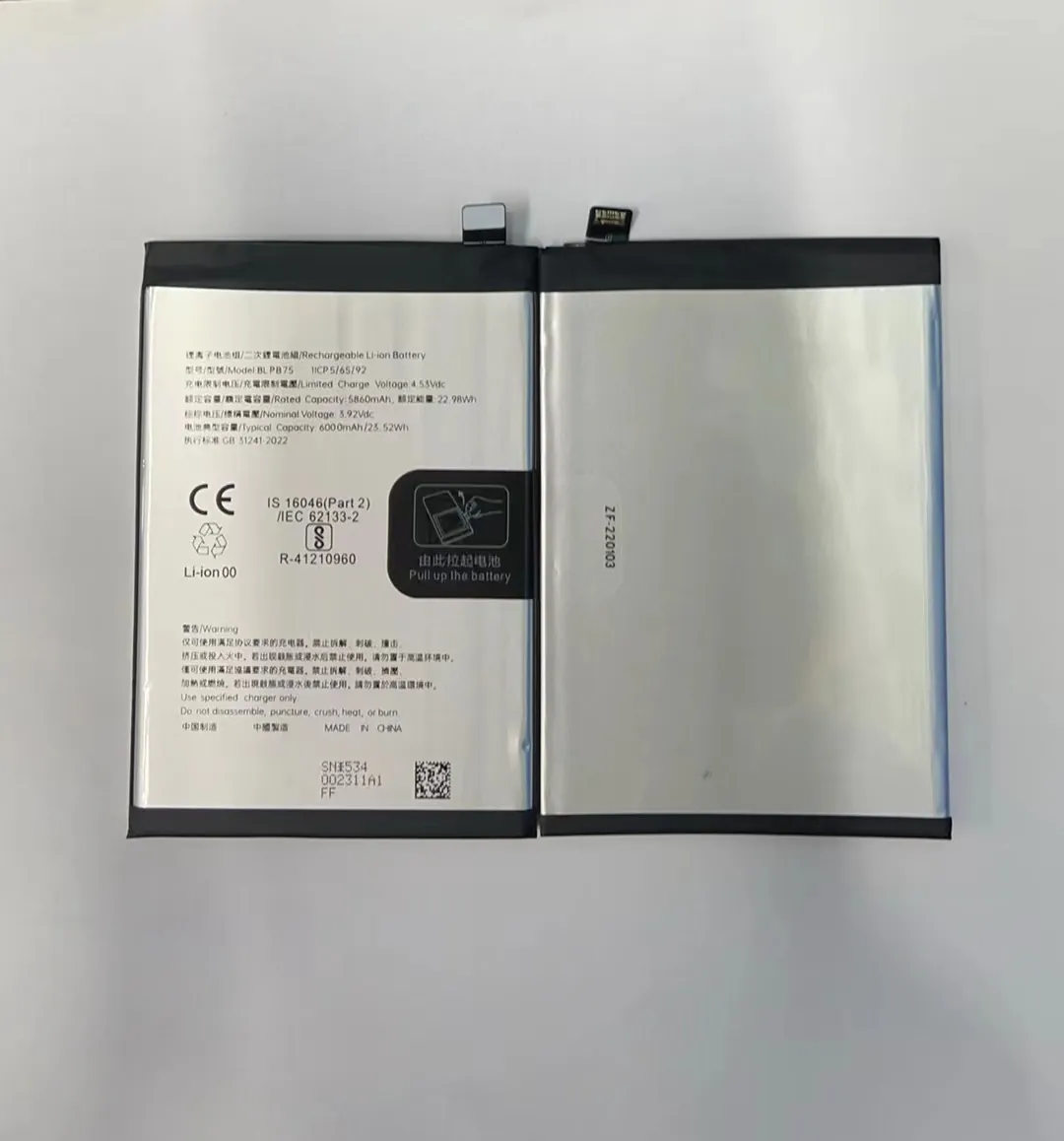
A fresh battery can make an old phone feel new again. It boosts battery life, reduces overheating, and brings back fast charging. Let’s look at its main advantages.
Benefits of Battery Replacement
| Benefit | Description |
|---|---|
| Cost Saving | A new battery costs much less than a new phone |
| Performance Boost | Restores original power and speed |
| Environmental Impact | Reduces electronic waste |
| Reliability | Prevents sudden shutdowns |
| Longer Device Life | Extends phone usability by 1–2 years |
Many phone repair shops now offer battery replacement services. The process is quick, usually taking less than an hour. For business users, repair centers, or refurbishing companies, buying batteries in bulk can reduce costs even more.
The Hidden Value
Replacing batteries also has another form of value—emotional and practical. People often have data, apps, or personal content on their phones. Getting a new battery means you don’t need to transfer or reset everything. It’s convenient and less stressful.
For business users, like phone repair shops or wholesalers, offering replacement batteries is an easy way to grow sales. Customers always need power solutions, and batteries are consumables that create repeat business.
How to Use or Choose the Right Mobile Phone Battery?
Many users make the same mistake—they buy the cheapest battery online and regret it later. The wrong battery can damage your phone or perform poorly.
To use or choose a mobile phone battery, match the model, verify compatibility, and ensure quality from a trusted supplier.
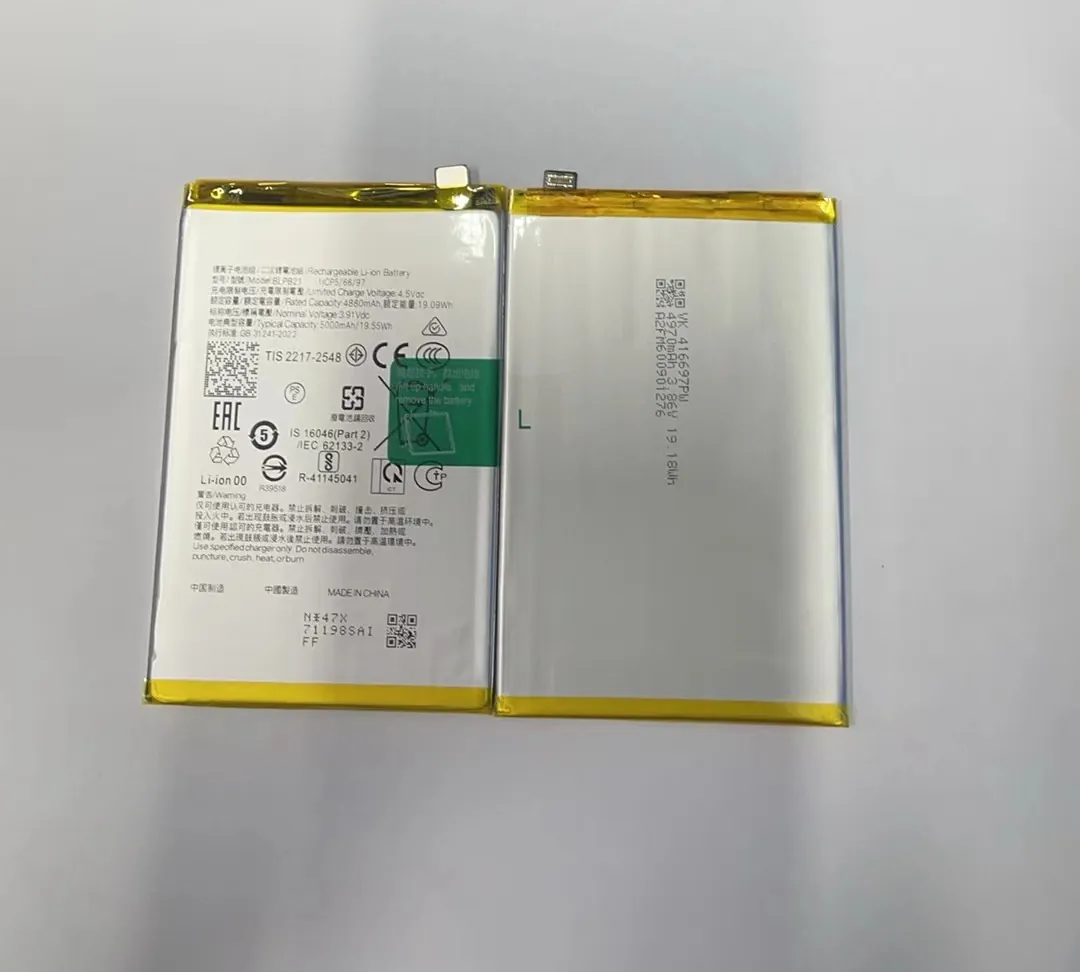
Choosing the right battery is like choosing the right heart for your phone. It must fit perfectly, perform well, and last long.
Key Factors When Choosing a Battery
| Factor | Why It Matters |
|---|---|
| Compatibility | Must match phone model and connector type |
| Capacity (mAh) | Determines how long your phone runs per charge |
| Voltage | Must match manufacturer’s specifications |
| Quality Grade | A+, OEM, or Original standards affect performance |
| Supplier Reputation | Trusted sources ensure tested, safe products |
How to Install and Use a New Battery
-
Turn off the phone completely.
Disconnect from the power supply and remove any accessories. -
Remove the back cover or use tools if it’s a sealed phone.
Some modern phones require special screwdrivers or suction tools. -
Disconnect the old battery carefully.
Avoid puncturing or bending it, as it can cause heat or fire. -
Install the new battery.
Make sure the connector is secure and the battery sits flat. -
Charge to 100% the first time.
This helps calibrate the power management system.
My Personal Experience
When I replaced my old phone battery, it felt like I bought a new phone. Apps opened faster, and I didn’t need to charge three times a day. Since then, I always keep spare batteries for my team’s work phones. It saves time and money.
Tips for Maintaining Battery Health
- Avoid overcharging overnight.
- Keep the battery between 20% and 80%.
- Don’t expose it to extreme heat or cold.
- Use original chargers and cables.
- If the battery swells, stop using it immediately.
Following these steps can double your battery’s lifespan and keep your phone in good condition.
What Are the Future Trends of Mobile Phone Batteries?
The smartphone industry is moving fast, and battery technology is no exception. Every year, engineers try to make batteries smaller, faster, and safer.
Future trends in mobile phone batteries include fast charging, solid-state technology, higher energy density, and sustainable materials.

These innovations aim to solve the biggest challenge—longer battery life without increasing size or risk.
Major Developments in Battery Technology
| Trend | Description |
|---|---|
| Solid-State Batteries | Replace liquid electrolyte with solid material for safety and capacity |
| Graphene Batteries | Charge in minutes and last longer |
| Fast Charging | New standards reach 120W or more |
| Recyclable Materials | Eco-friendly design to reduce waste |
| AI Power Management | Software adjusts power use automatically |
1. Solid-State Batteries
This is one of the most exciting areas. Solid-state batteries use a solid electrolyte instead of liquid. That means they are safer, less likely to overheat, and can hold more power in the same space. Companies like Samsung and Toyota are already testing this for mass production.
2. Graphene Batteries
Graphene is a form of carbon that conducts electricity better than most materials. A graphene battery can charge five times faster than lithium-ion and handle thousands of cycles without losing much capacity. Once mass production becomes affordable, it may replace lithium batteries entirely.
3. Sustainable Battery Design
Sustainability is not just a trend; it’s a necessity. Manufacturers now focus on reducing cobalt use and recycling lithium from old batteries. Some even develop biodegradable battery cases and use recycled aluminum in production.
4. Smart Battery Management
Future smartphones will use AI-based battery management systems. These systems will learn from user behavior, adjusting background processes and screen brightness automatically. The goal is simple: more hours of power with the same capacity.
5. Ultra-Fast Charging
Fast charging is already here, but it’s evolving quickly. Phones with 100W or higher chargers can reach 80% in under 10 minutes. With improved heat control, this will soon become standard for flagship devices.
My Thoughts on the Future
In the near future, I believe users will no longer worry about daily charging. We’ll have phones that can last two or three days on one charge, with batteries that remain strong for five years. For phone parts suppliers and wholesalers, this means stocking advanced battery models will be key to staying competitive.
Conclusion
Replacing a phone battery is simple, affordable, and smart. It gives your old phone new life and saves you money while helping the planet. As technology evolves, we will see better, faster, and safer batteries that change how we use our phones every day.
