

I see many people worry about what metals sit inside phone batteries. I know this worry grows when a battery gets hot or drains too fast. I want to clear the confusion with simple words.
Most phone batteries use lithium, cobalt, nickel, manganese, copper, and aluminum. These metals sit in the electrodes and current collectors, and they help store and release energy safely in normal use.
I want to show how each metal works. I want to explain why these metals matter for power, safety, and charging. I also want to help you understand risks in a clear and calm way.
Which metals form battery electrodes?
I hear this question from repair clients all the time. They want simple answers, because they worry about safety and performance. I know this worry grows when a battery gets old or swollen.
The main metals that form phone battery electrodes are lithium, cobalt, nickel, manganese, and graphite with copper and aluminum current collectors. Each metal controls capacity, stability, and how long a battery lasts.

How electrode metals work
I want to explain how each metal sits inside the cell. I want to keep this simple, because many people think the design is complex. The idea is simple. A battery has two sides. One side stores lithium. The other side releases lithium when the phone needs power. The metals in each side keep this flow steady.
Cathode metals and their jobs
Most phone batteries use a cathode with a mix of lithium with cobalt, nickel, or manganese. These mixes change based on the phone brand or model. I list the jobs of the main metals in the table below.
| Metal | Role in Cathode | Effect on Performance |
|---|---|---|
| Cobalt | Adds stability | Helps keep good capacity |
| Nickel | Adds energy | Gives higher power density |
| Manganese | Adds safety | Helps control heat |
I see many clients think all batteries use only cobalt. This is not true. Many new models use more nickel and less cobalt. This helps lower cost and improve energy. But each mix carries limits. More nickel means more energy, but it can get sensitive to heat. More manganese means safer use, but less energy.
Anode metals and their jobs
The anode uses graphite. This is carbon, not metal, but it sits with copper. The copper foil works as the current collector. The copper keeps the electrons moving out to the phone.
Why these metals matter to daily use
I want to explain one simple idea. Your phone battery is not one metal. It is a team of metals. Each metal handles one job. When the mix is good, the phone charges fast, runs long, and stays cool. When the mix is cheap or poor, the phone drains fast or gets hot.
Some people ask why not remove cobalt fully. The answer is that cobalt still helps stabilize the structure. It keeps the layers strong. Many factories work to reduce cobalt, but not remove it fully.
H3: Simple view of the electrode structure
- The cathode uses a metal mix on aluminum foil.
- The anode uses graphite on copper foil.
- Lithium moves between them when charging and discharging.
- The metals hold the structure so the lithium can move many times without breaking.
This simple setup shows why metals matter so much. They make the structure strong and stable. Without them, the battery would break fast.
How does lithium improve performance?
I get this question when a client buys replacement batteries. Many people think lithium only gives “more power.” The truth is simple but deeper.
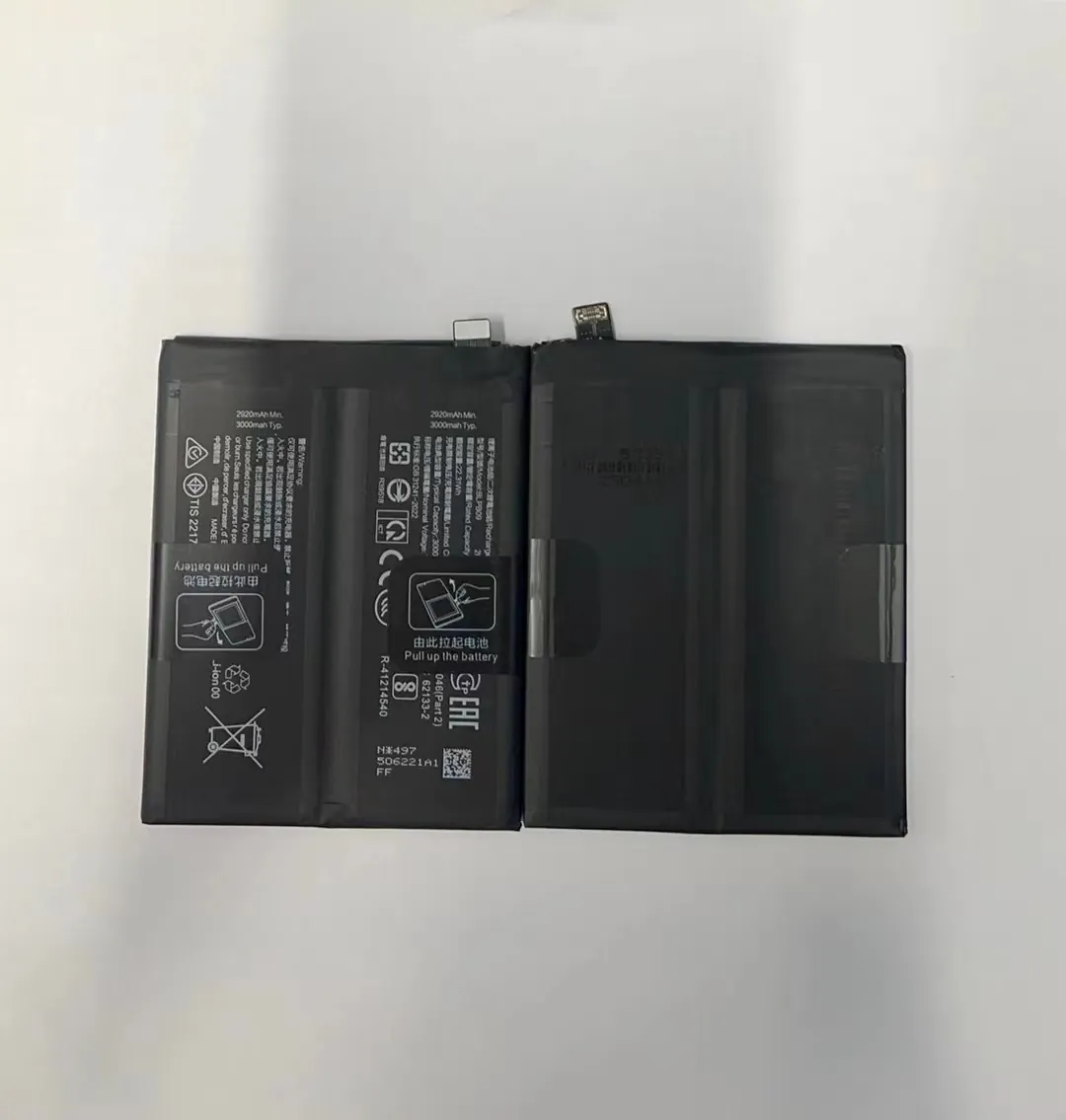
Lithium improves performance because it is light, moves fast inside the cell, and holds a lot of charge per gram. This gives long use time, fast charge, and stable power for phones.
Why lithium is special
Lithium is the lightest metal. It carries charge in a simple way. It can move in and out of the electrodes many times. This movement makes the phone run. This movement also makes the phone charge fast. I want to show how this works in a clear way.
H3: Lithium movement inside the battery
When I test batteries in my workshop, I often explain this to customers with a simple idea. I say lithium is like a small runner. It runs between two stations. One station is the anode. The other is the cathode.
When you charge your phone:
- The lithium moves to the anode.
When you use your phone: - The lithium moves back to the cathode.
This run repeats hundreds of times. The metals inside the cell form paths and layers. These paths give the lithium a safe track.
How lithium improves energy density
Phones must stay light. Lithium helps because it holds a lot of charge for its weight. Other metals cannot do this job. Lead, nickel, or zinc would make the battery heavy. Lithium gives high energy in a small space. This helps phone brands make thin phones.
How lithium helps fast charging
I see more fast charging phones each year. Many clients ask if fast charging hurts the battery. The answer is that lithium can accept fast ions if the structure is strong. The metals like nickel and cobalt keep the structure strong, so lithium can move fast without breaking the layers.
Table: Why lithium leads the market
| Feature | Lithium Battery | Other Metals |
|---|---|---|
| Weight | Very light | Heavy |
| Energy Density | Very high | Lower |
| Charge Speed | Fast | Slow |
| Cycle Life | Good | Varies |
Why lithium still needs help from other metals
Lithium alone cannot hold the structure. It needs stronger metals. Cobalt holds the layers. Nickel adds more space for energy. Manganese keeps heat stable. This teamwork gives safe and strong performance.
Why are metals crucial for charging?
I meet many repair shop owners who think charging only needs lithium. I want to explain why this is not true. The metals play a huge role in how the phone charges and how safe it stays during the charge.
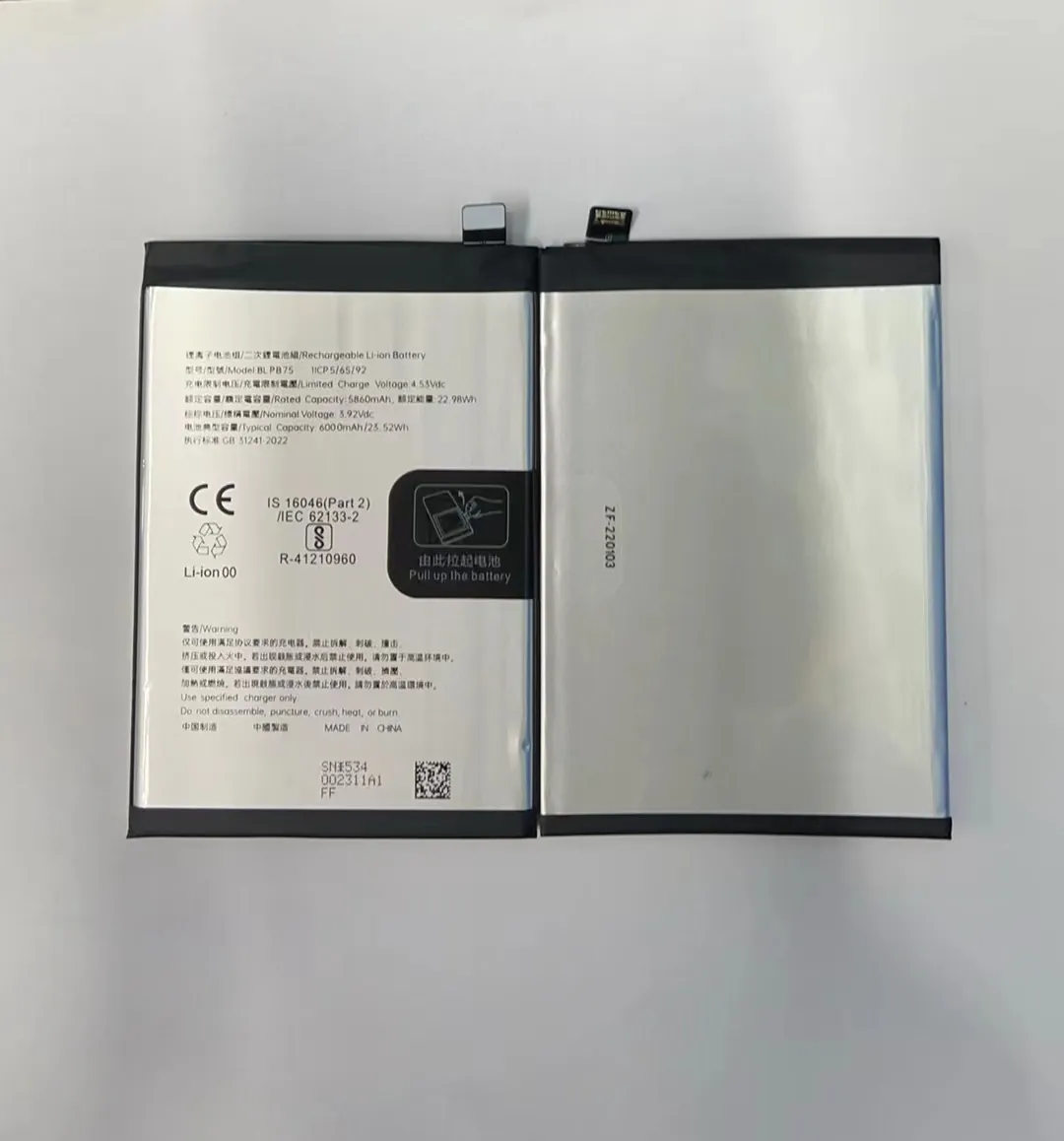
Metals are crucial for charging because they hold the structure, guide electron flow, stabilize heat, and protect the battery from stress when lithium moves fast during charging.
How electrode metals guide charge flow
Charging is simple to the user. You plug in a cable. But inside the battery, things get busy. Lithium ions move fast. The electrons move out through copper and aluminum layers.
Each metal carries a part of the load:
- Copper takes electrons out of the anode.
- Aluminum carries electrons at the cathode.
- Cobalt and nickel keep the layers strong when lithium comes in fast.
- Manganese helps keep heat under control.
If any metal breaks or bends, the cell gets unstable.
H3: Heat and charging speed
When I test batteries for clients, I check heat levels. I know that most heat comes when lithium moves too fast and meets resistance. The metals inside the cell help reduce resistance. They guide the charge along stable paths.
A strong metal mix:
- Lowers heat
- Improves fast charge ability
- Keeps swelling low
- Helps the battery last long
A weak metal mix:
- Increases heat
- Slows charging
- Raises risk of swelling
How metals stop damage
Charging always puts stress on the cell. Metals like nickel and manganese help the cell hold shape. This prevents cracks. Cracks are dangerous because they create internal shorts. Good metal composition helps avoid this.
Why phone brands change metal mixes each year
I noticed many brands move toward nickel-rich cells. They do this because nickel helps with fast charging. But they balance it with manganese to keep heat low. This shows how much metals shape charging behavior.
What risks come from metal reactions?
People worry about battery safety. I hear this daily. They ask if metals can react in a dangerous way. I want to give a clear and simple explanation.
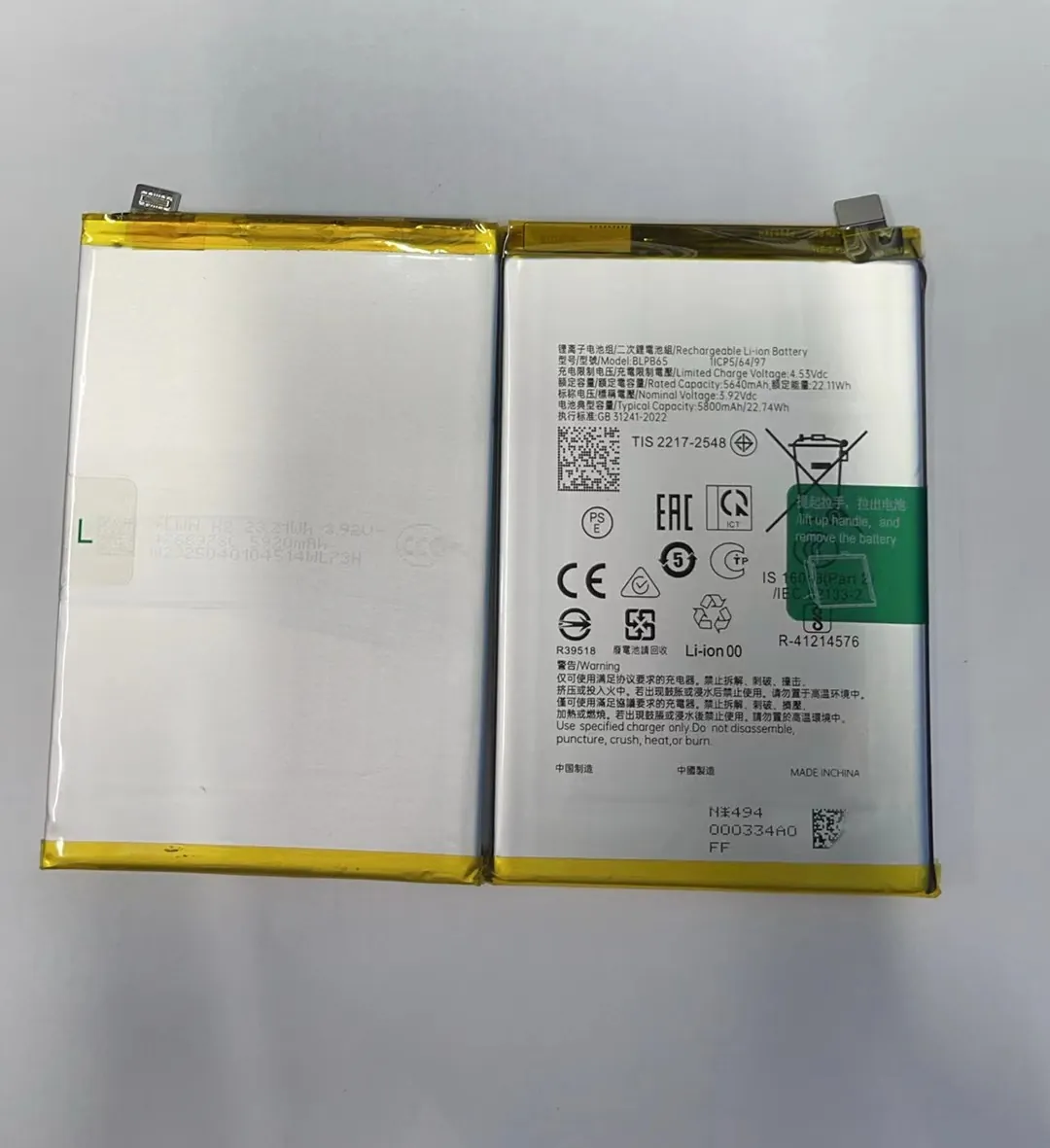
The main risks from metal reactions come from heat, internal short circuits, metal layer breakdown, and unstable reactions when the battery is damaged or charged poorly.
Why metal reactions happen
Metal reactions inside the battery stay stable under normal use. The risk rises when:
- The phone gets crushed
- The battery swells
- The battery gets too hot
- The user charges with a bad cable
When the battery gets damaged, the metal layers can touch. When they touch, they can cause an internal short. This makes heat rise fast.
H3: When heat becomes dangerous
Heat rise can trigger a chain reaction. This is rare. I want to stress that phones today use many safety layers. Still, metal reactions can go wrong if the battery gets old or swollen.
Cobalt can overheat when the structure breaks. Nickel can react fast if the cell gets punctured. Manganese helps slow reactions, but it cannot stop all damage.
Swelling and the role of metals
I see many swollen batteries from clients. Swelling happens when the electrolyte reacts with the metals after too much stress. This creates gas. The gas pushes the layers apart. Then the metal layers touch. Then the risk increases.
How to stay safe
I always tell people to follow simple steps:
- Use a good charger
- Replace a swollen battery early
- Keep the phone away from heat
- Do not bend the phone
These simple steps stop metal reactions from going wrong.
Conclusion
Phone batteries use lithium, cobalt, nickel, manganese, copper, and aluminum. Each metal does a clear job. These metals help the phone stay safe, charge fast, and run long. When you understand this, you can choose better batteries and use them with more confidence.
