
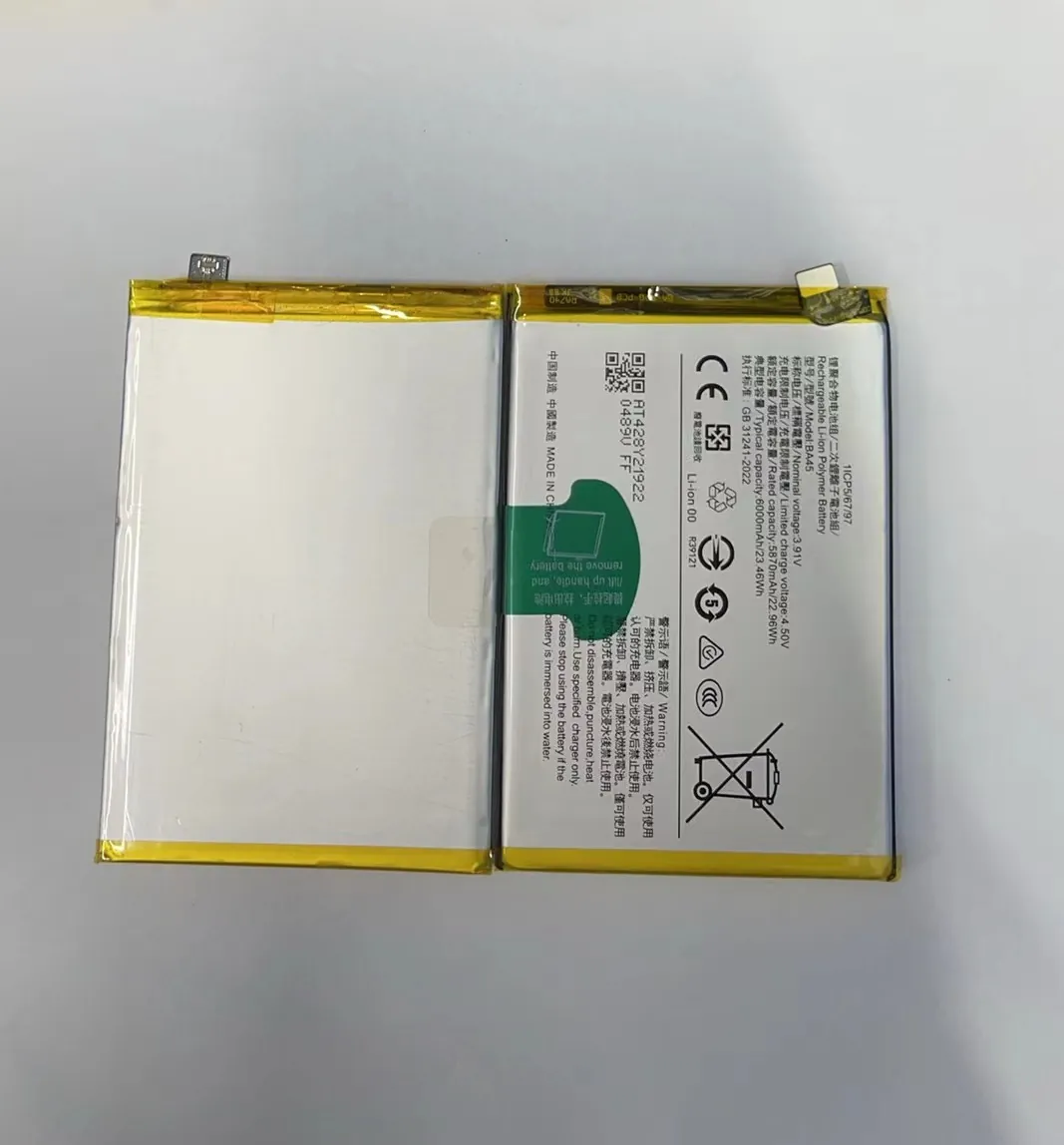
I talk with many repair clients who feel confused when phone batteries drain fast. I know this pain because I see it almost every day.
You can test phone battery capacity by checking voltage stability, real mAh output, and discharge patterns with simple tools or advanced testers. These tests show if a battery still holds its rated power or if it is aging.
I want to guide you through the methods I use in my daily work, so you can understand them in a clear and simple way.
What tools measure battery mAh?
Many people worry that battery tools are expensive or difficult to use. I felt the same in my early days when I tried different devices and got mixed results.
Battery mAh is measured with digital testers, USB power meters, and professional battery analyzers that track charge and discharge cycles to show real capacity in mAh.
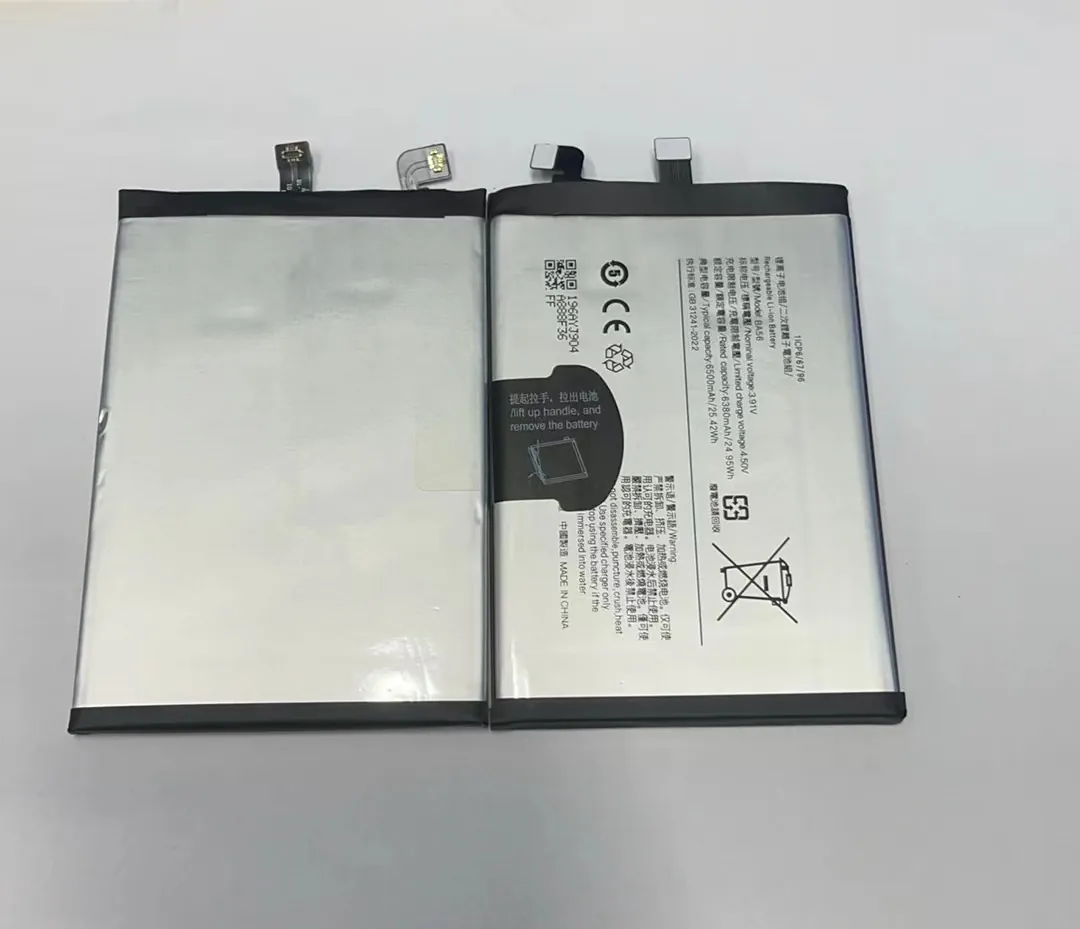
I want to share a full explanation because many people only know one or two tools. Each tool works in a different way. Each tool helps in a different repair situation.
Basic categories of tools
Here is a simple table that shows the main tools I use in testing:
| Tool Type | What It Measures | Best For |
|---|---|---|
| USB Power Meter | Voltage, current, basic mAh | Quick checks |
| Digital Multimeter | Voltage and current only | Simple diagnostics |
| Battery Analyzer | Full charge/discharge mAh | Accurate results |
| Phone Software Tools | Estimated health | Fast internal checks |
How each tool works
I want to explain how these tools help me test batteries clearly.
USB Power Meters
USB power meters are popular because they are cheap and simple. I connect them between the charger and the phone. The meter shows current and voltage. The meter also calculates mAh during charging. The value is not exact because the phone uses power while charging. But the reading gives a rough idea. I use this tool for quick tests when I want to see if a battery charges too fast or too slow.
Digital Multimeters
A multimeter helps me test basic voltage. I check open-circuit voltage to see if a battery is dead or damaged. A healthy battery usually shows stable resting voltage. A very low reading often means deep discharge or internal failure. A multimeter does not show mAh, but it helps me decide if I should continue with deeper tests.
Professional Battery Analyzers
A battery analyzer gives the most accurate mAh reading. I place the battery in the analyzer. The machine charges it fully. Then it discharges it at a fixed rate. It measures how many mAh the battery outputs. This number shows the true capacity. This is the same method I use in my supply chain tests because it gives consistent and reliable results. The analyzer also shows internal resistance, which helps me judge aging.
Phone Software Tools
Many phones show estimated battery health. These values help users, but I see large differences compared to real tester results. Software data is fast, but it should not be the only method. I use it only to identify quick signs like “capacity below 80%” or “battery needs service.”
I use all these tools depending on the problem. This mix gives me a full picture of battery health and helps me make better decisions in repair work.
How do load tests show capacity?
Some repair clients feel confused when I tell them we need a “load test.” Many people think the battery is fine because it still shows full bars. I know this confusion well because I had the same idea when I started.
Load tests show real capacity by forcing the battery to release power under a stable discharge current, then measuring how long it supports that load until voltage drops to the cutoff level.

I want to explain this in a simple way because load tests are one of the most important steps when I check battery quality.
What a load test does
A load test gives a controlled and repeatable condition. I connect the battery to a tester. The tester applies a fixed current, for example 500 mA or 1 A. The battery must supply this current until it reaches the safe cutoff voltage. The tester records how many mAh were delivered. If a battery claims 3000 mAh but only delivers 1800 mAh, the battery is aging or faulty.
Why load tests matter
Here is a second table that shows why load tests give more accurate results:
| Test Method | Accuracy | Why It Matters |
|---|---|---|
| No-load voltage check | Low | Only shows surface condition |
| Phone software check | Medium | Estimates based on history |
| Load discharge test | High | Measures real usable energy |
| Full analyzer cycle | Very High | Controlled environment |
How I use load tests in real work
I use load tests when I need clear answers. Many cheap batteries look fine on the outside. The voltage may look normal. But when I apply load, the voltage drops fast. This tells me the battery has high internal resistance. This condition means the battery cannot hold enough charge. It drains fast in real use.
Load tests also help me catch inconsistent batches. When I check large orders, I test samples from each lot. If a group of batteries shows lower results, I stop the shipment and retest everything. This habit helps me reduce after-sales problems.
Steps in a typical load test
I follow this simple process:
- I fully charge the battery.
- I let the battery rest for a short time.
- I connect the battery to the load device.
- I set a discharge current.
- I wait until voltage reaches cutoff (usually around 3.0V).
- I read the mAh result.
I repeat this test for accuracy. If I test five batteries, I compare all results. A stable range shows a good batch. A wide difference shows quality issues.
Load tests help me give customers honest reports. They also protect me from sending weak batteries.
Why does capacity drop gradually?
Many users think capacity drops suddenly. I often explain that battery decline is slow and natural. This happens to every battery I test.
Battery capacity drops because chemical materials age during charge cycles, internal resistance rises, and heat or heavy load speeds up this chemical wear.
I want to break this down clearly for you.

Normal aging
Every lithium battery has a life cycle. When I test new batteries, I see stable mAh. After many cycles, the mAh goes down. The chemical reaction becomes weaker. The battery releases less energy. This decline is slow but constant.
Internal resistance growth
I check internal resistance on my analyzer. New batteries show low resistance. Old batteries show higher resistance. When resistance increases, the battery cannot release current smoothly. The voltage drops fast under load. This makes the phone shut down early even when the battery still has charge left.
Heat damage
Heat is a big problem. I see many batteries damaged by fast charging, gaming, or hot environments. Heat changes the internal materials. The battery loses structure. The capacity drops faster. I always advise customers to avoid charging while gaming because the temperature becomes very high.
Deep discharge
Some users drain their batteries to zero often. This speeds up aging. The chemical balance becomes unstable. When I test such batteries, the analyzer shows low mAh and unstable curves.
Poor-quality cells
I also see batteries made with cheaper materials. They drop capacity faster than high-grade cells. I can detect them during load tests because they show big mAh loss after only a few cycles. This is why I trust only consistent suppliers in my work.
Storage habits
Many people store batteries at full charge or at very low charge. Both conditions reduce life. I store samples at about 50% charge to keep them stable. When I test them later, they perform better than batteries stored at 0% or 100%.
Battery capacity drops for many reasons. But understanding these reasons helps me check quality and recommend better practices to repair clients.
Which methods verify accuracy?
Some people worry that the measurements they get are not accurate. I understand this very well because inaccurate data can mislead repair decisions.
You can verify accuracy by repeating tests, comparing different tools, checking internal resistance, and confirming results with full charge–discharge cycles on professional analyzers.
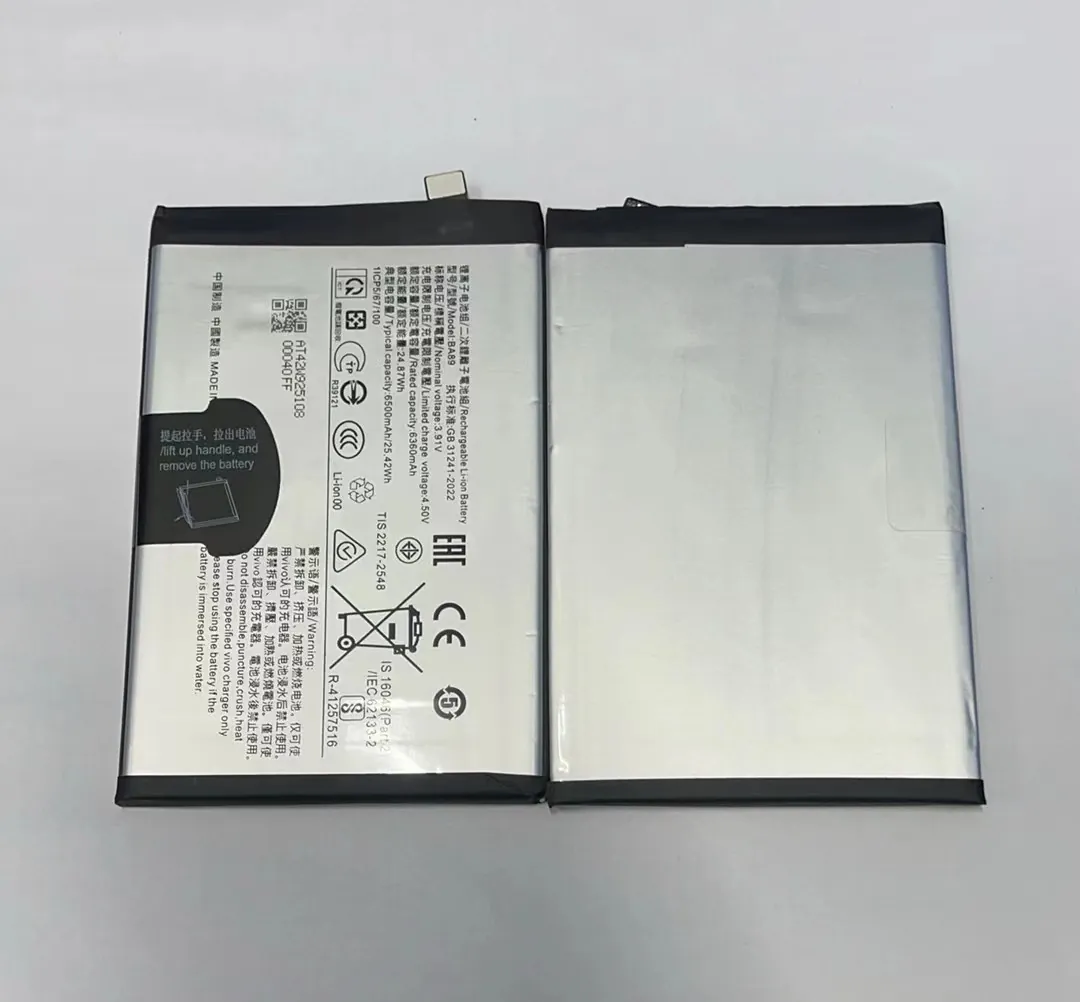
I want to show you how I confirm accuracy in my daily work.
Repeat tests
I never trust a single reading. I test the same battery two or three times. If the results match, I trust the number. If the numbers change too much, the battery may be unstable or the tool may have a problem.
Cross-checking tools
I compare readings from a USB meter with readings from an analyzer. If both show similar trends, I know the test is reliable. If they show opposite results, I test again with another device.
Internal resistance check
I always check internal resistance. If the mAh looks normal but the resistance is high, the battery may fail soon. High resistance makes discharge unstable. This is why I include resistance data when I prepare reports.
Controlled conditions
I test batteries at room temperature. Temperature affects results a lot. A cold battery gives low mAh. A hot battery gives false readings. I test all samples under similar conditions to get fair results.
Full cycle test
A full cycle test is the strongest method. I charge the battery, rest it, and discharge it at a constant rate. This shows the true mAh. When I need a final answer, I always use this method.
Calibration
I calibrate my tools on a schedule. Old equipment can drift over time. A small error can affect the final reading. Regular calibration helps keep my testing accurate.
Data comparison
I keep past results. When I test a new batch, I compare it with older data. If the numbers look too different, I investigate. This habit helps me catch problems early.
All these methods help me verify accuracy and give reliable results to clients who trust my testing process.
Conclusion
Battery capacity testing becomes simple when I use the right tools and clear steps. Load tests, analyzers, and repeated checks help me find the real mAh and understand battery aging.
