
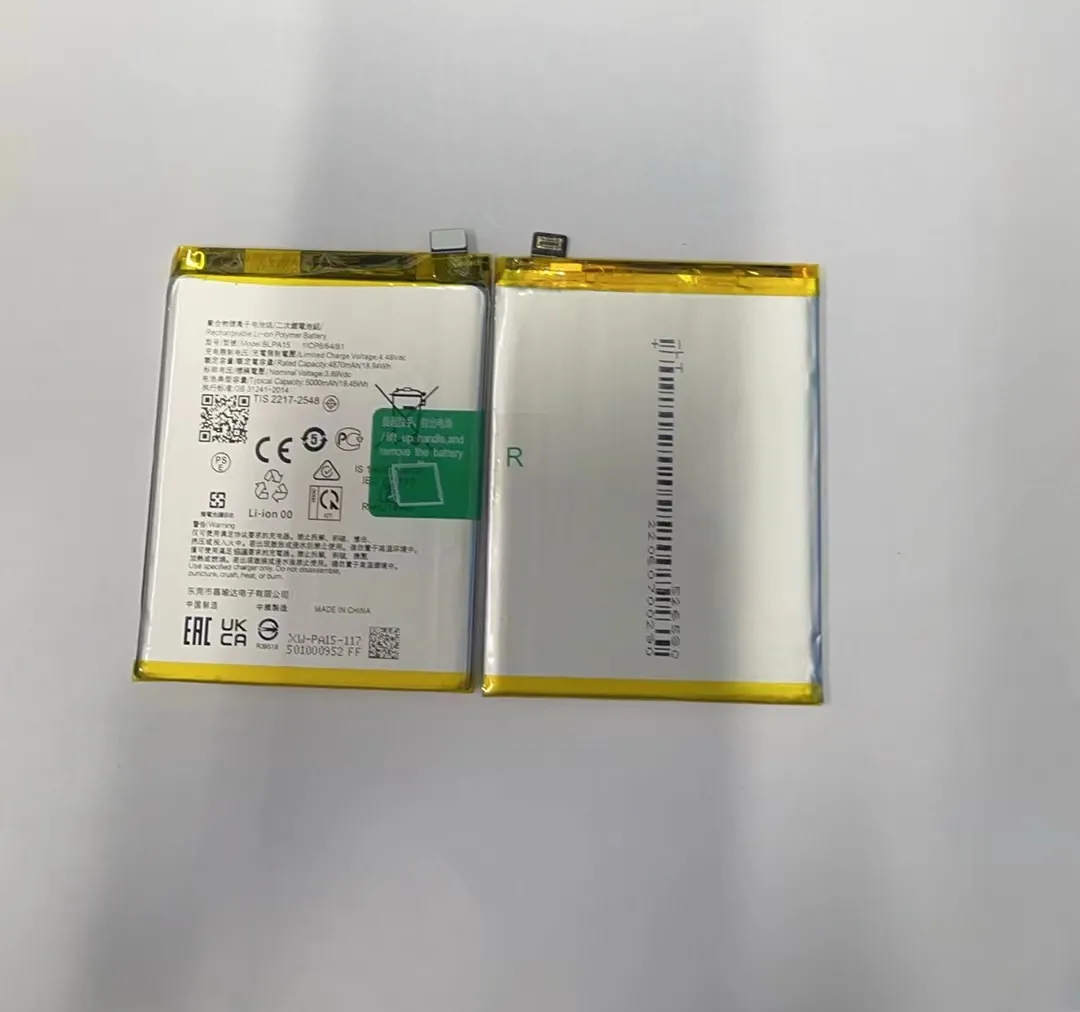
I know many travelers feel stressed when they pack extra phone batteries. I see this problem a lot because I work with batteries every day.
Backup batteries for mobile phones are allowed on planes, but only in carry-on bags, and they must follow airline and capacity rules that focus on safety.
I want to explain these rules in a clear way, so you can fly without fear and avoid last-minute airport trouble.
What airline rules apply to spare batteries?
I hear many people say they feel confused by airline rules for loose batteries. I understand this because every airline uses different wording in their policies.
Airlines follow the general rule that spare lithium-ion batteries must stay in carry-on bags, stay protected from short circuits, and stay within capacity limits set by civil aviation laws.
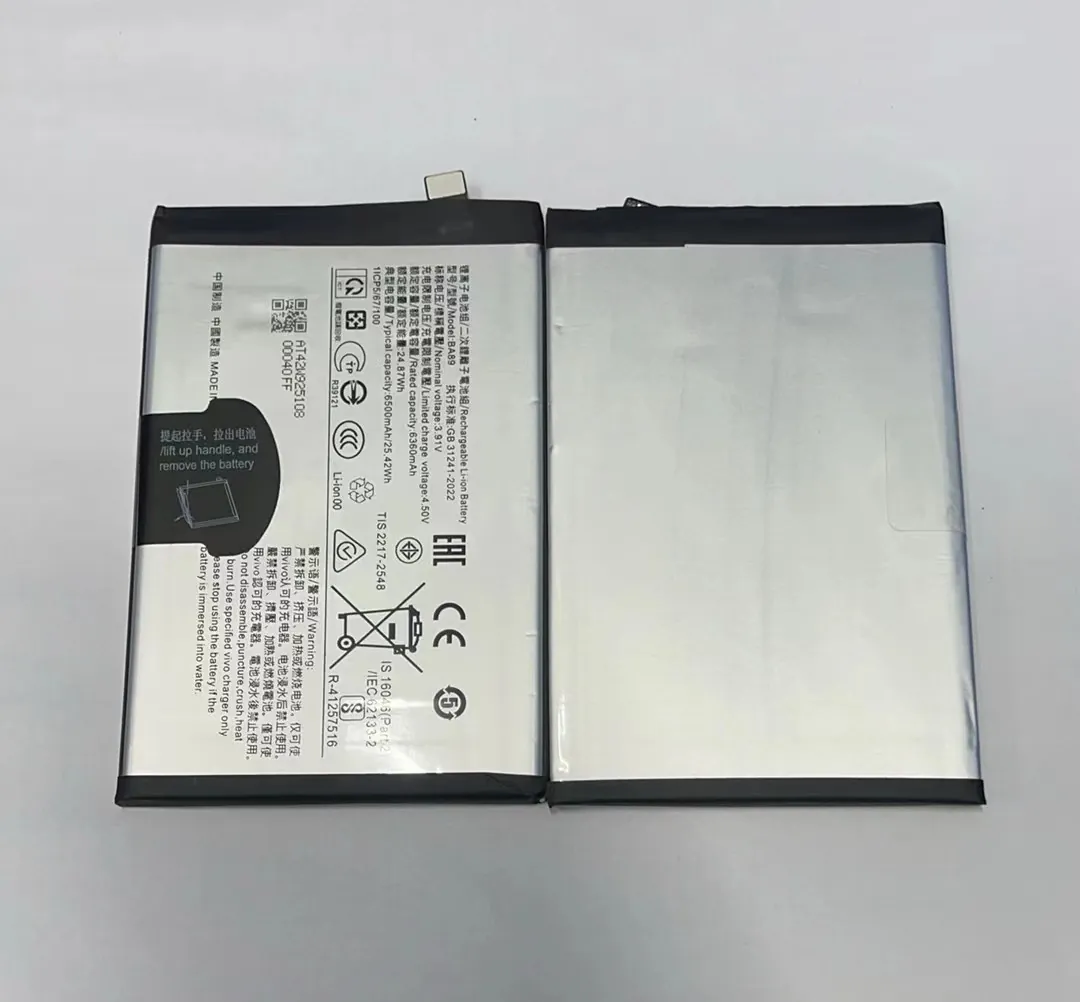
When I travel with samples for clients, I follow these same rules. Many customers also ask me how to pack their spare batteries, so I explain the details step by step.
What most airlines follow
Most airlines follow the standards set by international aviation groups. These groups try to keep flights safe while still letting people travel with the tools they need. Phone batteries fall into the “personal electronic device” category, so the rules are easier than those for large power banks or drone batteries.
Key requirements you must know
The table below shows the basic rule set that appears in many airline policies:
| Requirement | What it means |
|---|---|
| Carry-on only | You cannot put spare batteries in checked luggage. |
| Short-circuit protection | Terminals must be covered or packed safely. |
| Capacity limit | Usually below 100Wh without airline approval. |
| Personal use | Batteries must be for your own devices. |
These rules are simple, but many passengers still make mistakes. I see this often when buyers ship batteries by air for the first time. They pack them the wrong way, and the courier rejects the parcel. I always remind them that airlines use similar safety rules.
Why airlines care so much
Airlines worry about short circuits. A battery with exposed metal contacts can touch coins or keys and heat up fast. This can cause smoke or fire. If the battery sits in the cargo hold, no one can reach it in time. This is why airlines want all spare batteries close to the passenger cabin, where crew can act.
How I apply these rules in daily work
When I prepare a shipment sample, I use simple steps: I tape the terminals, I use strong inner boxes, and I write the battery capacity clearly. When I fly with them, I keep them in my backpack. These steps keep me safe and make airport checks easier. Many of my clients copy these habits when they fly with their own batteries.
How does capacity affect battery approval?
I know many people feel unsure when they see numbers like mAh, Wh, 3.7V, or 100Wh. I understand this because capacity rules sound complicated at first.
Airlines classify spare batteries by watt-hours (Wh); batteries under 100Wh usually need no approval, while higher-capacity ones often need airline permission or are not allowed.
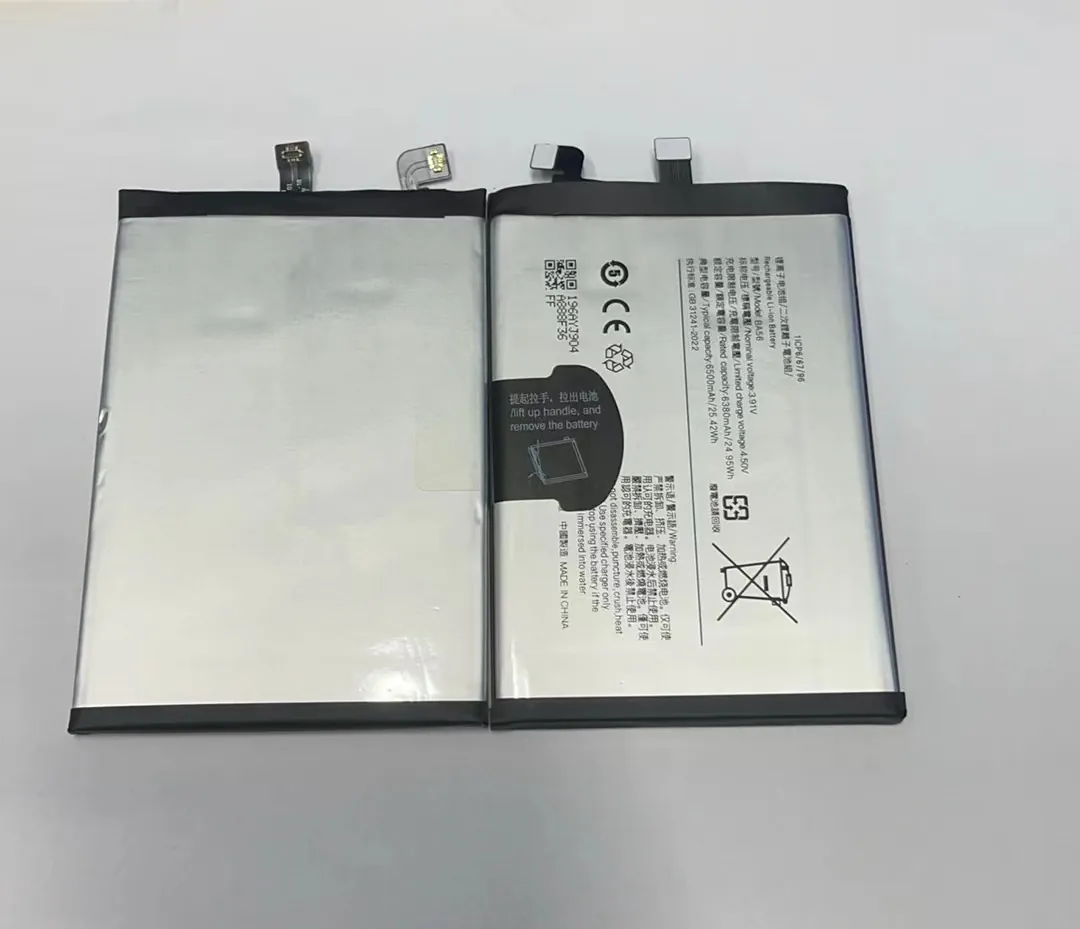
This rule applies to power banks, laptop batteries, and phone batteries. It helps airlines control the energy stored in each item.
What the numbers mean
You may see mAh on a phone battery. Airlines do not use mAh. They use watt-hours (Wh). You can calculate Wh with this simple formula:
Wh = mAh ÷ 1000 × voltage
Most mobile phone batteries use 3.7V or 3.85V. Even a 5000mAh phone battery stays under 20Wh, which is far below the limit. This is why phone batteries are easy to bring on a plane.
General capacity categories
Here is a simple table to show how airlines classify capacity:
| Capacity Range | Airline Rule |
|---|---|
| 0–100Wh | Allowed in carry-on, no approval needed |
| 100–160Wh | Usually needs airline approval |
| 160Wh+ | Mostly not allowed |
Almost all mobile phone spare batteries fall in the first category, so you do not need special permission. Problems usually happen with large power banks or laptop batteries. Phone batteries are safer because they store less energy.
Why capacity matters
Airlines worry because higher-capacity batteries can store more energy. This means more heat if something goes wrong. Small batteries like phone batteries rarely trigger airline concerns because they pose less risk. In my work, I test many batteries, and I see that high-capacity packs need more protection, thicker materials, and better testing.
How you can check your battery fast
I often tell customers to check the label before flying. Most phone batteries show voltage and mAh. You can do the math in seconds. You can also search the model to see the Wh value. I help my customers do this when they send me part lists. This simple check keeps them safe at airports.
Why must batteries be carried onboard?
I talk with many travelers who say they want to put everything in checked luggage. I understand this because it feels easier. But spare batteries cannot go into checked bags.
Batteries must be carried onboard because the cabin crew can respond quickly if a battery overheats, while checked luggage stays out of reach during the flight.

This rule protects everyone on the plane. It also protects your own devices.
Why cargo hold storage is unsafe
Cargo holds have strong fire protection systems, but they are not designed for active battery fires. If a battery shorts inside a suitcase, the heat can build up fast. Crew members cannot check the suitcase during the flight. This makes the risk higher.
Why the cabin is safer
Inside the cabin, passengers and crew can smell smoke or see heat signs. Crew members carry special bags and tools to cool or isolate a battery. They act fast. This is the main reason airlines want your spare batteries close to you.
What I learned from logistics partners
When I work with shipping agents, they explain how many fires come from poor packing. Many accidents happen because batteries sit in metal cases or touch loose items. I learned to pack every battery with protection. When I fly with samples, I feel safer when they stay with me. I can watch them, and I know the crew can help if something happens.
How passengers can avoid problems
I always tell customers to do three things: keep spare batteries in carry-on bags, cover the terminals with tape, and keep batteries in small boxes or sleeves. These simple steps reduce risk and keep airport checks smooth.
Which packaging keeps batteries compliant?
Some people feel stressed when they pack batteries because they think they need special boxes. I understand this fear, but the real rules are simple.
The safest and most compliant way to pack spare phone batteries is to cover the terminals, keep each battery separate, and use strong inner packaging like small plastic boxes or pouches.
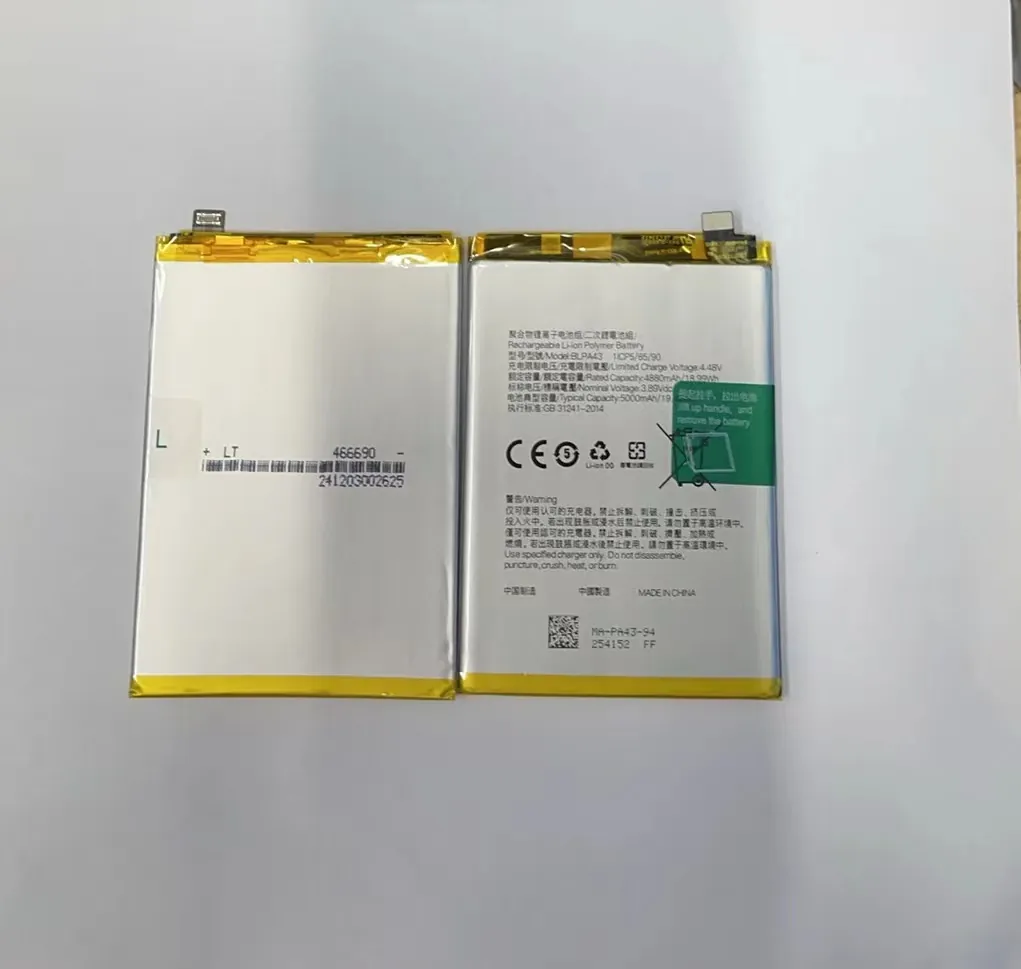
I use these same methods when I travel or ship samples.
What packaging airlines want
Airlines want packaging that stops short circuits. This means the metal contacts must stay covered and must not touch other items. Many passengers use the original manufacturer sleeve. Some use plastic boxes. Some use soft pouches. All these options work if they protect the contacts.
Simple packaging options that work
Here are the options I often recommend:
- Small plastic battery boxes
- Individual cardboard sleeves
- Plastic zip bags with taped terminals
- Strong retail packaging
- Original device packaging
When I pack test samples, I use a mix of these methods. I also label the box with the battery model. This helps airport staff if they want to check.
Why terminal protection matters
The biggest risk is contact between the battery terminals and metal items like coins or keys. This can cause a short. A short creates heat. Heat creates danger. When I test defective batteries, I see how fast a short can grow. This is why terminal protection is the most important step.
A simple workflow for travelers
I use a simple workflow when I pack spare batteries for my own trips. You can follow the same steps:
- Tape the terminals with non-conductive tape.
- Put each battery in a small plastic bag or box.
- Keep all batteries together in one pouch.
- Put the pouch in your carry-on bag.
This method keeps everything neat and safe. Airport checks stay simple, and you avoid delays.
Conclusion
Airlines allow spare mobile phone batteries, but they must be in your carry-on bag, must meet capacity rules, and must stay protected from short circuits. When you pack them the right way, flying stays easy and safe.
