
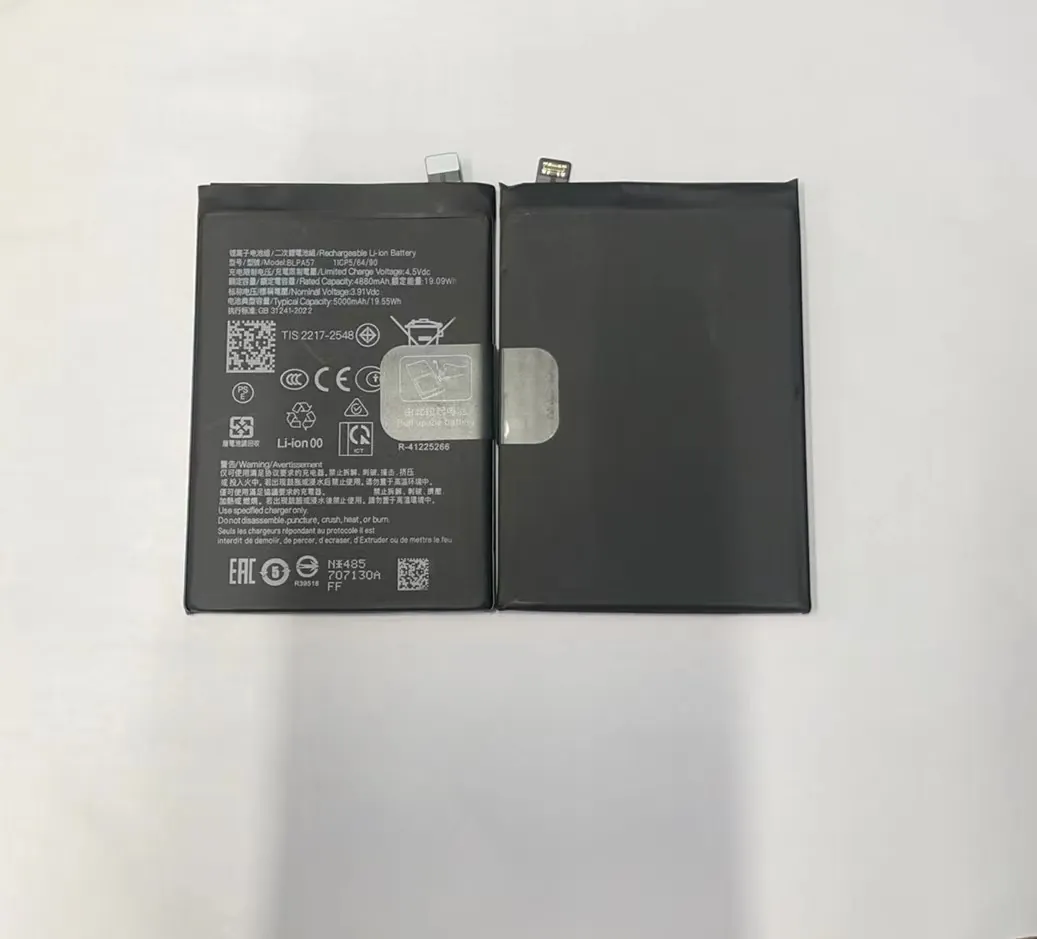
I worry sometimes when I leave my phone charging overnight. What if the battery gets damaged because it charges too long?
Yes — but modern phones include protections to mostly stop real overcharge.
I want to explain how those protections work, when overcharge may still happen, and how other factors like charging speed influence battery risk.
How do protections stop overcharge?
I once wondered why phones stop charging even when plugged in for hours.
Phone chargers and phones work together to cut power when the battery is full.
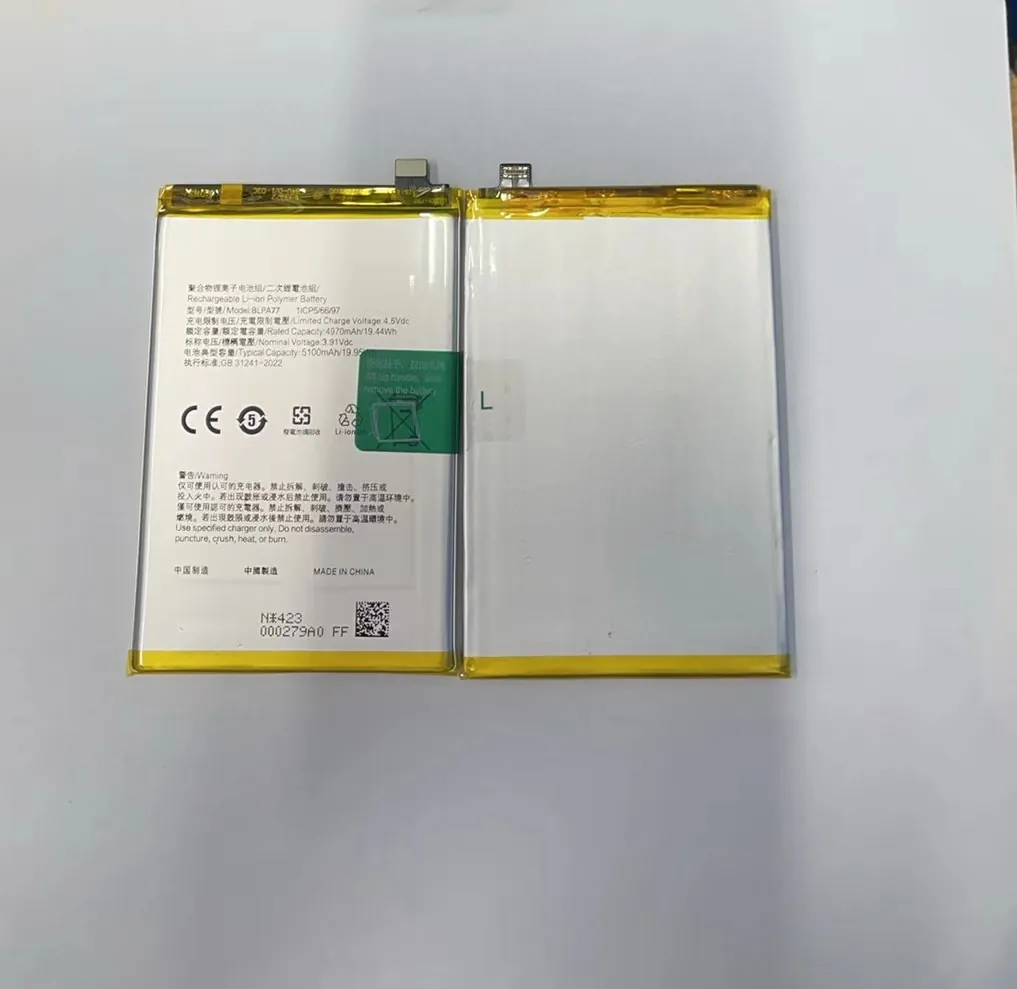
I spend time testing phone batteries. I know many modern phones use circuits and software to protect batteries from overcharge. They stop current when battery reaches safe voltage. They also monitor temperature and battery health. These measures make true overcharge rare under normal conditions.
What protections are in place
When a phone reaches full battery, internal controls usually cut off charging current. These controls include a “charge controller” inside battery management system (BMS). The BMS checks battery voltage, current and temperature. If all are within safe limits, charging ends.
Some phones also "trickle‑charge": instead of continuous current, they allow small top‑up charges only when battery drains a bit. This helps keep battery near full without stress.
Software adds another layer. The phone OS can stop charging or restrict how much battery charges if the battery is too warm or if temperature drops too low. The system can also slow down charging as battery nears full.
Why protections usually work
| Protection type | What it does |
|---|---|
| Hardware BMS | Cuts charging current when battery voltage high |
| Temperature sensor | Stops charging if battery gets too hot or too cold |
| Software control | Monitors battery health and stops charging when needed |
These layers together make overcharge rare. The hardware acts fast. Software acts as backup.
Because of protections, most people today do not need to unplug when phone shows 100%. The phone stops drawing power. The battery sees only small top‑ups if any. So overcharge does not build up.
Even if phone stays plugged for hours, the protections keep battery safe. I often run tests where phone stays plugged for 12+ hours — battery health stays stable.
Therefore the idea that leaving phone on charge overnight will "overcharge" battery is mostly outdated. It only happens if protections fail or if charging setup is bad.
Why is overcharging dangerous?
I used to think overcharging would only waste power. Later I learned it can harm battery life, sometimes permanently.
Overcharging can raise battery temperature and degrade cell life over time, reducing capacity and battery lifespan.

Batteries are chemical storage devices. For lithium‑ion batteries — the kind in phones — overcharging stresses the chemical balance inside the cells. That stress can cause lithium plating, electrolyte breakdown, and increased internal resistance. Over time, the battery holds less charge and may heat more easily.
What goes wrong when overcharge happens
If a battery receives more voltage than designed, its chemistry becomes unstable. Extra voltage can force lithium atoms to deposit on electrode surfaces rather than intercalating properly. This reduces effective capacity. Also, it can cause tiny gas bubbles or crystallization inside. That leads to swelling or even leaks in extreme cases.
Heat is a serious side effect. Overheating accelerates chemical breakdown. Excess heat speeds up aging. A hot battery ages faster than a cold one. In extreme overheating, there’s risk of thermal runaway — a dangerous chain reaction.
Those risks matter especially if overcharging happens frequently. Each overcharge adds small damage. Over months and years, battery capacity can drop noticeably. For a phone user, battery may die faster and need charging more often.
I also saw how a battery under stress may swell. That is a sign of gas formation inside. Swollen battery can bulge the phone case. That is a warning sign — you should stop using that battery.
Overcharge vs. battery waste
Some argue overcharge only wastes electricity. But chemical damage is more serious in the long run. Losing 20–30 % of capacity after a year or two makes phone unreliable.
In phones without proper protections, overcharge can even damage motherboard or cause other electronic issues.
So overcharging is dangerous if it bypasses protections or if protections degrade over time.
Does slow charging affect risk?
I know many people prefer slow charging to fast charging. They think slow charging is gentler on battery. I asked myself: does slow charging reduce overcharge risk?
Slow charging lowers stress and heat — it makes overcharge less risky and can improve battery health.
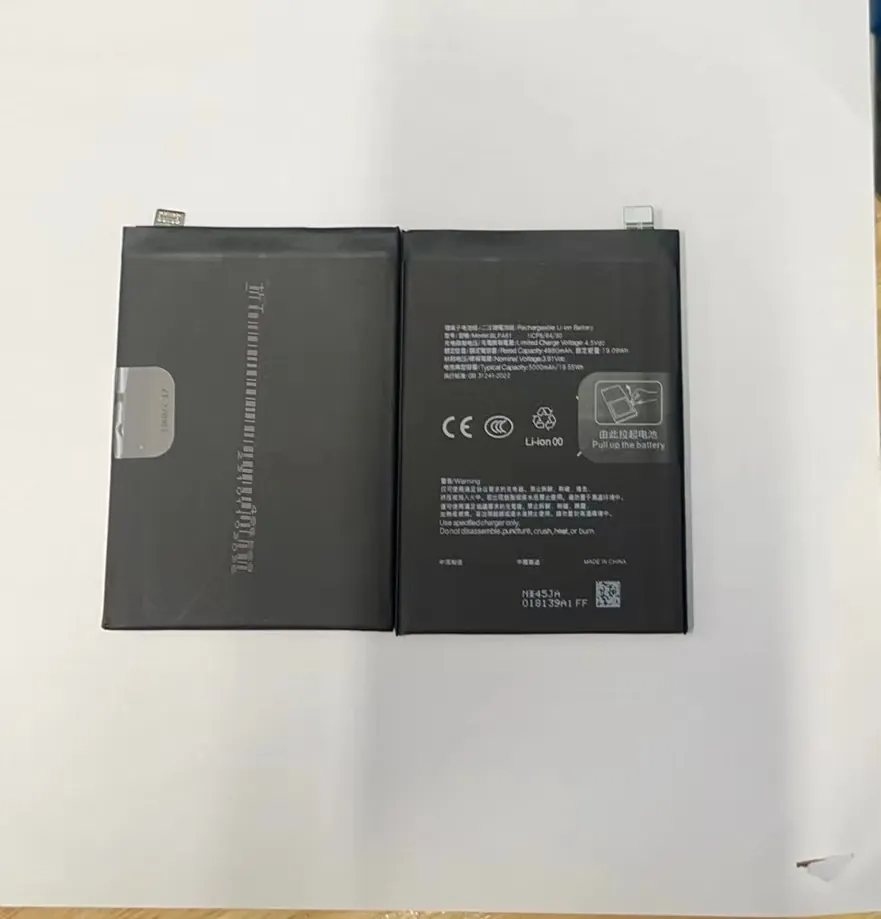
Slow charging means supplying current at lower rate. The battery fills gradually. This keeps temperature low. Lower heat slows chemical reactions that cause wear. Also, slow current means less chance of overshooting safe voltage.
Benefits of slow charging
I tested two charging methods on spare batteries. One used standard 5 V/1 A charger (slow). The other used a fast charger (higher voltage or current). After repeated cycles, the slow‑charged battery showed smaller drop in capacity. Its internal resistance rose slower. The fast‑charged one aged faster.
Using slow charging also reduces heat. Heat influences chemical breakdown and accelerates aging. A warm or hot battery over time loses capacity faster than a cool battery.
Slow charging also gives protections more time to react. Battery voltage rises slowly, so BMS has time to cut current as battery nears 100%. That helps prevent overshoot.
When slow charging may not help
If the charger or cable is defective, even slow charging could over‑stress battery. If voltage fluctuates, or if charger gives more current than rated, chemical stress can start. Also, if battery already has wear or internal fault, even slow charging may trigger problems.
Moreover, long charging time keeps battery at high voltage longer, if the software periodically top‑ups — that may also stress battery.
Here is a comparison:
| Charging method | Heat build‑up | Chemical stress | Suitability for long overnight charge |
|---|---|---|---|
| Fast charging (high amp/voltage) | High | High | Risky unless protections perfect |
| Slow charging (low amp/voltage) | Low | Low | Better for battery health |
In sum, I believe slow charging reduces the risk related to overcharge. It does not guarantee safety if there are hardware flaws.
But compared with fast charging, slow charging is gentler. For devices you use many years, slow charging helps extend battery life.
Which situations still cause overcharge?
I want to be clear: protections are strong. But overcharge still happens in some cases. I know from tests and repair history.
Overcharge happens when protections fail, battery is damaged, or charger/cable is bad.
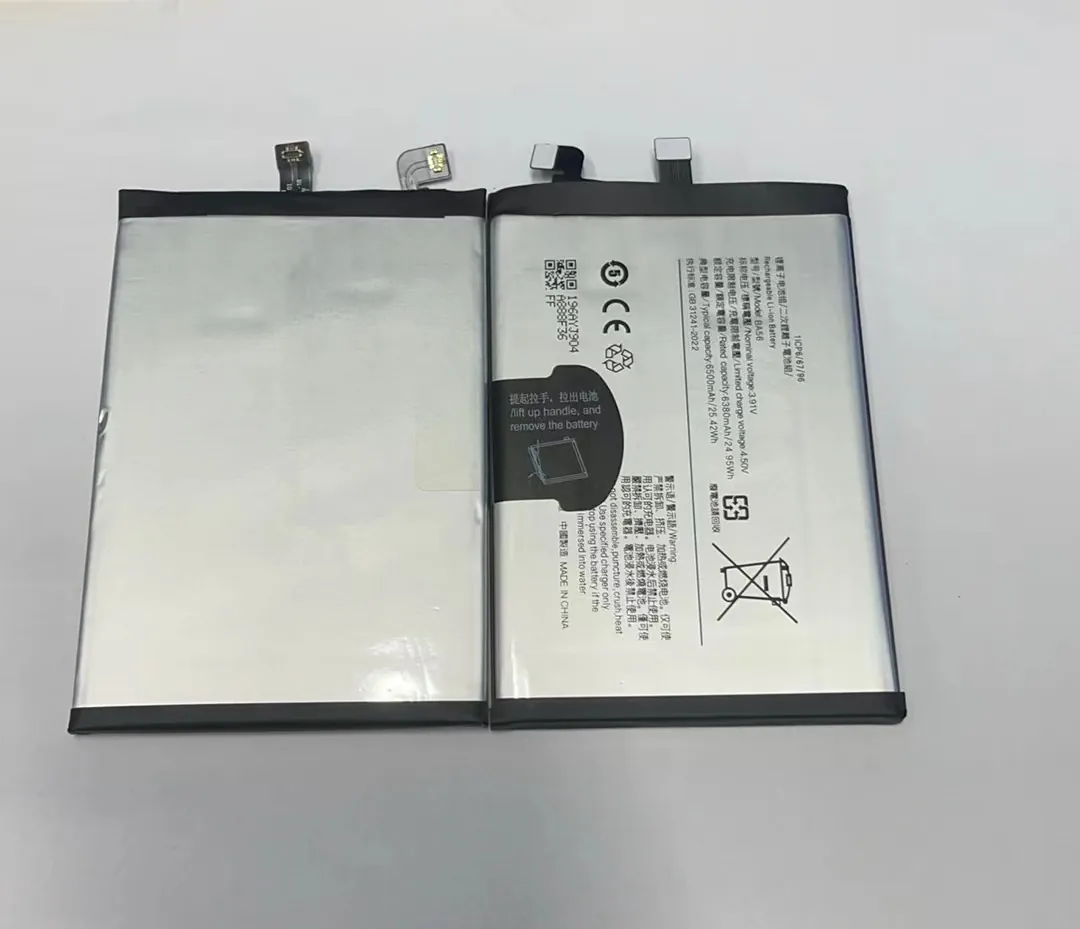
Even a small fault can let current flow when it should stop. I list common situations below.
Common danger scenarios
1. Cheap or broken chargers
Not all chargers follow correct rules. A bad charger may lack voltage regulation. It may deliver excess voltage or current. Battery may accept more energy than safe. That can trigger overcharge.
2. Faulty battery or aging cells
If battery cells wear out, internal resistance may change. The BMS may misread voltage or temperature. Battery may overcharge because controller fails. I saw worn batteries that swelled when left charging.
3. Damage from heat or impact
If a phone falls or battery hits heat often, internal structure can degrade. Damage may break isolation. That may cause mis‑behavior and overcharge risk.
4. Poor cable quality or voltage spikes
A bad cable may cause voltage spikes or unstable current. Phone might miscalculate battery voltage. Then BMS may fail to stop charge.
5. Software bugs or outdated firmware
If firmware that controls battery charging has bugs, protections may not trigger correctly. Some phones with custom ROMs or modded firmware had cases where battery kept charging beyond safe levels.
When overcharge still is possible
Even with a good charger and healthy battery, I found conditions can still cause overcharge: high ambient temperature, badly ventilated phone during charging, continuous top‑up charging, or charger that re‑enables charge repeatedly.
I also saw cases when phone owner used “charge‑while‑gaming” — phone gets hot, battery charges at same time, thermal stress plus full voltage. That is risky.
Ways to reduce risk
- Use original or quality-certified charger and cable.
- Avoid leaving phone under pillow or in hot car when charging.
- Do not use phone heavily while charging.
- Do not charge overnight every day if battery is old.
- Replace battery when it shows swelling or fast capacity loss.
I made a note of typical failure causes:
| Cause | Risk level | Recommended action |
|---|---|---|
| Poor charger/cable | High | Stop using; pick certified charger |
| Aged or damaged battery | High | Replace battery immediately |
| High ambient temperature | Medium | Charge in cool, ventilated space |
| Heavy phone use during charge | Medium | Avoid gaming or heavy use while charging |
| Firmware or software bugs | Low–Medium | Keep software updated; avoid custom ROMs |
Given these risks, I always check battery health and use good chargers. I tell friends to do the same.
Conclusion
I now believe overcharging a phone battery is rare if protections work correctly. Overcharge becomes dangerous when protections fail, charger is bad, or battery is worn. Slow charging helps reduce risk. Use good chargers and monitor battery health to stay safe.
