

Most people worry about plugging in their phone overnight. Will it overcharge? Will the battery get damaged? These are common concerns in everyday phone use.
No, modern mobile phone batteries cannot be overcharged under normal use because charging systems are designed to stop charging once the battery reaches 100%.
Still, it's not all black and white. Even if overcharging is unlikely, there are details worth knowing to keep your battery in top condition.
How do modern phones prevent overcharge?
We’ve all left our phones charging overnight, but rarely do we hear of batteries catching fire. Why? Because the phones are smarter than they seem.
Modern smartphones use smart charging circuits and battery management systems (BMS) to prevent overcharging, cutting off the power once the battery is full.

Battery protection is built into both hardware and software. Inside the battery pack is a tiny chip. This chip talks to the charging system. When the battery voltage hits its maximum level—usually around 4.2 volts—the chip sends a signal to stop the current.
Key Components Preventing Overcharge
| Component | Function |
|---|---|
| Battery Management IC | Monitors voltage and temperature |
| Charging Controller | Controls power input to the battery |
| Operating System Logic | Stops charging based on usage and battery data |
On the software side, Android and iOS both now include features like "Optimized Charging." These limit charging to around 80% during idle periods, like sleeping hours, and top it off to 100% just before you usually wake up. This reduces stress on the battery.
Phones also monitor heat. If your device gets too hot during charging, the system slows down or stops the process to avoid danger.
In other words, you can leave your phone charging overnight without worry. But while overcharging isn’t likely, how you treat your battery still matters.
Why is overcharging harmful to cells?
Some people assume that more charge equals more power. But that’s not true with lithium-ion batteries. In fact, overcharging is a fast track to battery damage.
Overcharging can lead to lithium-ion cells overheating, swelling, and losing capacity quickly—sometimes permanently.

When a lithium battery is forced to accept more current than it can handle, the excess energy turns into heat. That heat can destroy the chemical structure of the battery. If that damage is severe enough, the battery swells. In extreme cases, it leaks or catches fire.
Effects of Overcharging on Battery Cells
| Symptom | Cause | Result |
|---|---|---|
| Swelling | Gas buildup inside the cell | Device damage, safety risk |
| Capacity loss | Chemical breakdown of materials | Shorter usage time |
| Voltage instability | Degraded internal components | Inconsistent performance |
Some cheaper or fake chargers (more on this later) can bypass safety checks and force a battery to keep accepting power. Without proper control, internal pressure builds up, damaging the cell permanently.
For battery wholesalers or repair businesses, this is a key point. Selling low-quality or uncertified batteries increases the risk of overcharge-related failures. That’s why we test all our batteries before shipping—to prevent these issues before they reach your customer.
Does overnight charging cause damage?
Every night, millions of people plug in their phones before sleeping. And every morning, the battery shows 100%. But does this habit hurt the battery?
No, overnight charging does not damage your battery thanks to built-in charge controllers, but keeping the phone at 100% for long hours may slowly wear it down.
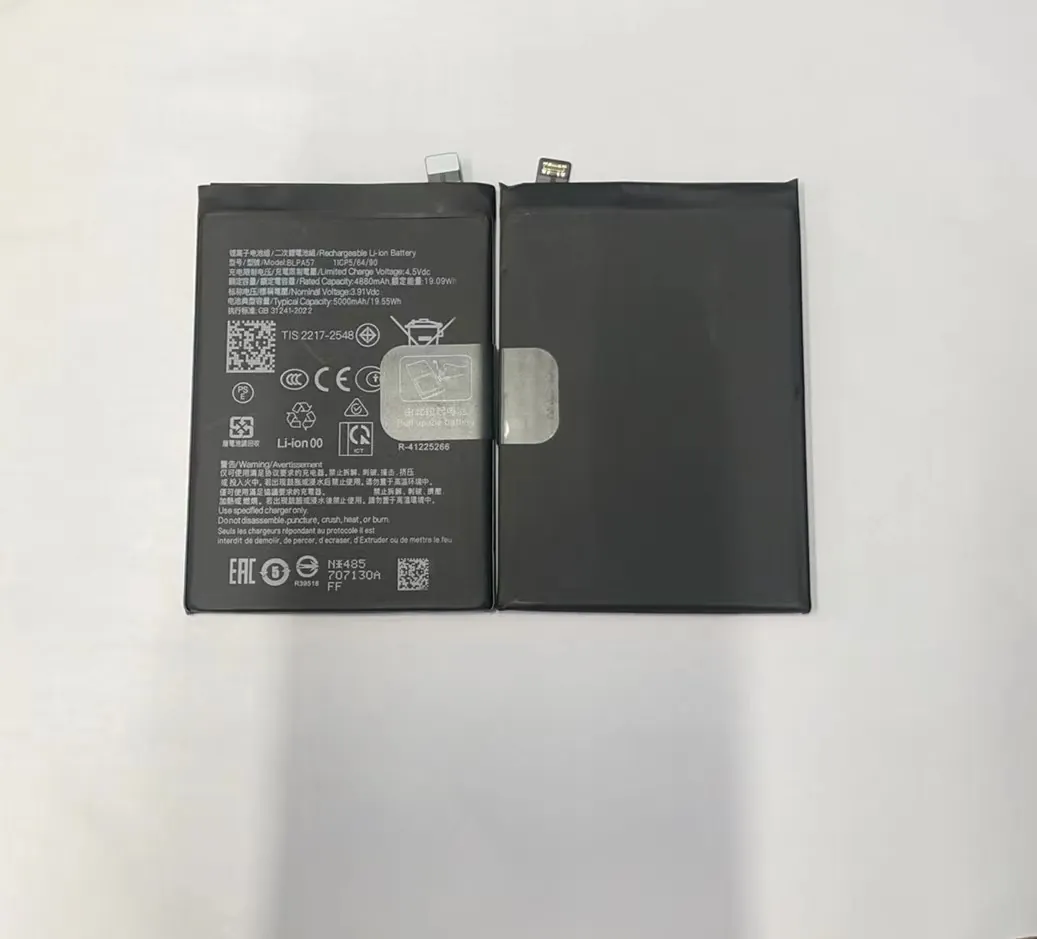
Lithium-ion batteries age faster when they stay fully charged for too long, especially at high temperatures. It’s not the charging time that hurts them—it's the full charge state.
If your phone charges to 100% by midnight and then stays plugged in until 7 AM, that’s seven hours of sitting at max charge. Over months and years, this can reduce battery lifespan.
How to Minimize Battery Aging During Overnight Charging
Tip 1: Use Optimized Battery Charging
Most phones have a setting that learns your schedule. It pauses charging at 80% and finishes just before you wake up.
Tip 2: Charge in a Cool Place
Avoid charging in bed or under pillows. Keep the phone in open air to avoid heat buildup.
Tip 3: Unplug in the Morning
Even if you charge overnight, make it a habit to unplug once you wake up.
Quick Tip Table
| Tip | Why it Helps |
|---|---|
| Enable “Optimized Charging” | Reduces stress on battery |
| Avoid charging with a case | Keeps phone cooler |
| Keep phone on hard surfaces | Improves airflow during charging |
So, while your phone won’t overcharge overnight, you can take simple steps to keep the battery healthier for longer.
Which chargers risk battery overcharge?
The charger you use makes a big difference. Not all chargers are created equal. Some can even risk battery damage.
Low-quality or counterfeit chargers may lack voltage regulation and safety features, increasing the risk of overcharging or overheating your battery.
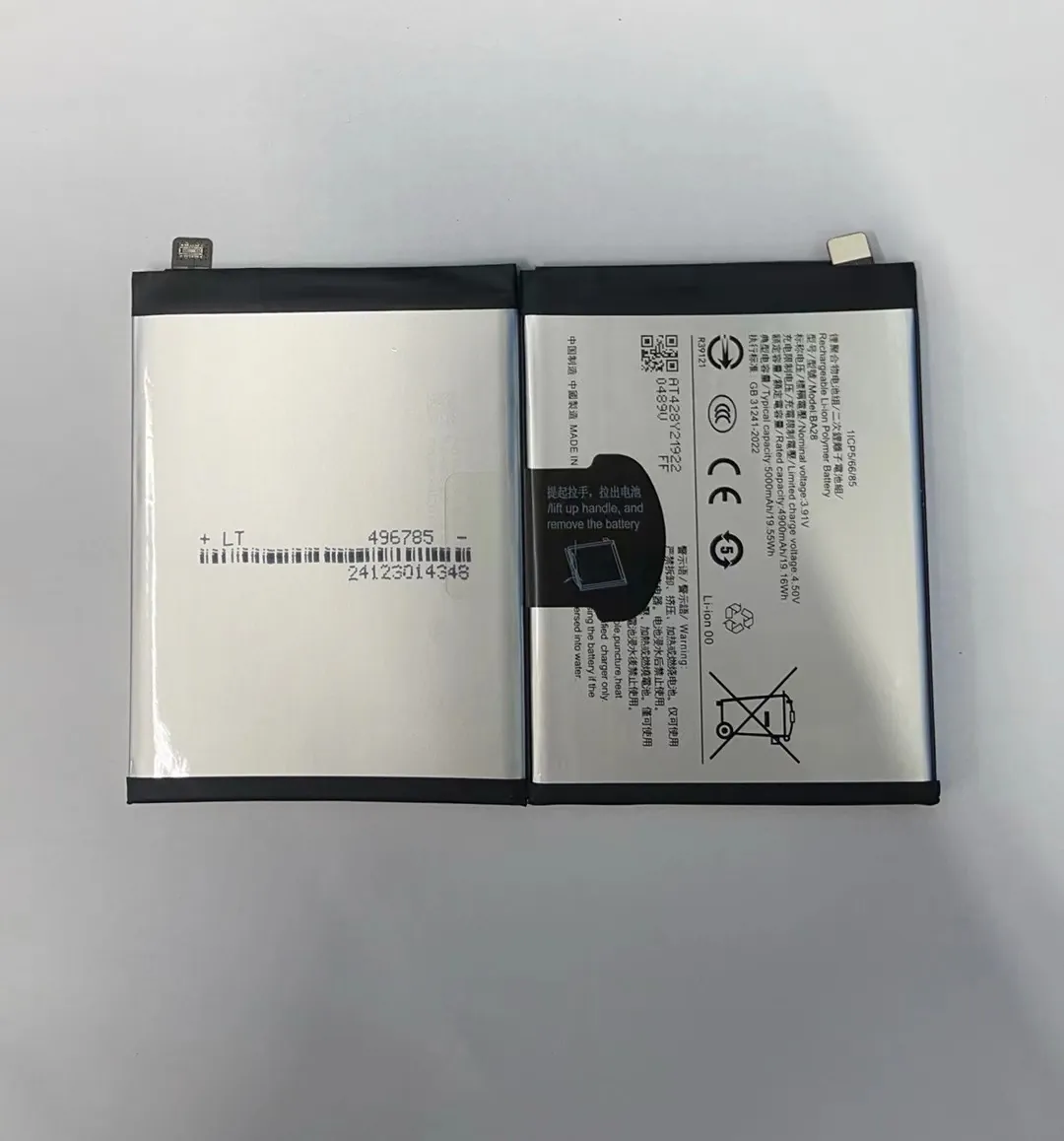
Brand-name chargers are expensive, so many people look for cheaper ones online. But these cheaper options often skip safety features like temperature sensors, voltage regulators, and proper insulation.
Even worse, fake chargers may deliver unstable power. This causes the phone’s internal protection system to work harder or fail entirely.
Charger Types and Their Risk Levels
| Charger Type | Risk of Overcharge | Notes |
|---|---|---|
| Original (OEM) | Very Low | Designed for your phone |
| Certified third-party | Low | Must meet safety standards like CE or UL |
| Uncertified third-party | Medium | May lack full voltage control |
| Counterfeit (fake brands) | High | Often unstable, no protection |
You can spot a fake charger by weight, spelling errors, or missing certification logos. If the charger feels too light, it may be missing key components.
For those of us in the repair or wholesale trade, this is serious. Selling or using unreliable chargers can lead to customer complaints or worse—safety hazards. That’s why I always recommend using only tested, certified products.
Conclusion
Your phone can't be overcharged in normal conditions, thanks to smart systems inside. But heat, poor charging habits, or fake chargers can still hurt the battery. Stick to quality parts, use smart features, and your battery will stay healthy longer.
