

I see many people worry when their phone battery drops fast. This fear grows when they think the battery still has a “memory.”
Most modern phone batteries do not have a memory effect because they use Li-ion or Li-Po cells that do not store past charge levels the way old NiCd batteries did.
I know this topic still confuses many people, so I want to explain it in simple words and show what really matters today.
What causes the battery memory effect?
I notice many users think memory effect happens when they charge too often. This fear sticks because old phones did have this problem.
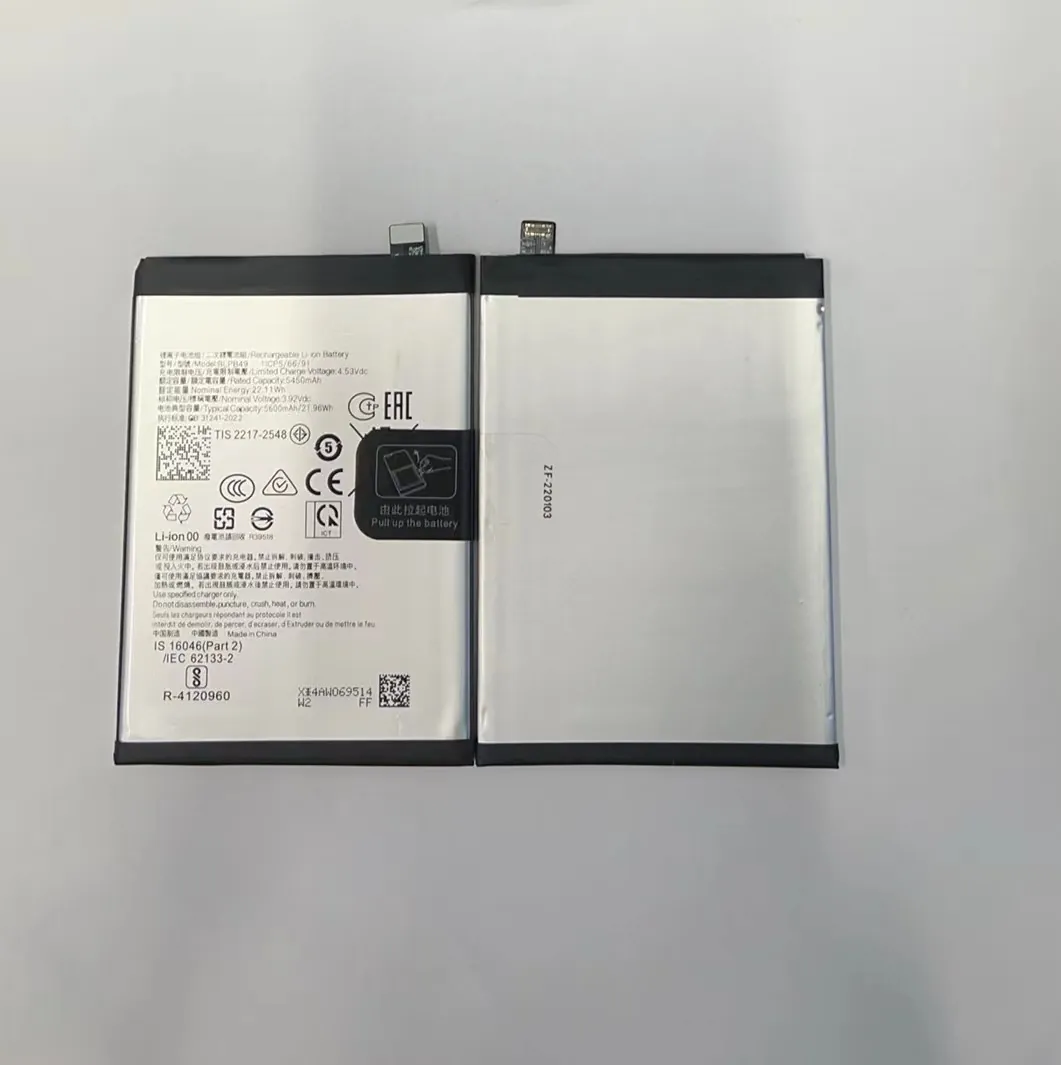
The battery memory effect came from old NiCd batteries, where repeated partial charging caused crystals to build inside the cell, which reduced capacity.
What memory effect really was
I want to make this idea clear, because many people still mix it up with normal aging. The memory effect came from a chemical change inside NiCd cells. These cells formed crystals when people charged them at the same point every time. The crystals blocked part of the battery from working, so the battery acted like it “remembered” a smaller size.
The modern Li-ion batteries in our phones no longer use this chemistry. They use a very different system that does not form these crystals. So the classic memory effect does not fit modern phones.
What people mistake for memory effect
Many people tell me their phone “remembers” high charge cycles. But the phone only reacts to voltage changes, temperature, and normal aging. All Li-ion batteries lose capacity over time. This is not memory. This is simple wear.
Table: Old memory effect vs modern behavior
| Feature | Old NiCd Batteries | Modern Li-ion Batteries |
|---|---|---|
| Has real memory effect | Yes | No |
| Forms crystals | Yes | No |
| Gets worse with partial charges | Yes | No |
| Normal aging still happens | Yes | Yes |
Why the myth lives on
I talk with many repair shops, and many still repeat old habits. They say you must wait until the battery hits 0%. This rule only applied to NiCd cells. But once a myth enters the market, it stays for years.
In my work experience, I see many phones come in because people drained their batteries too much. They thought it helped. But it hurt the battery. So the myth keeps causing real damage.
How does modern tech prevent memory issues?
Many customers ask me why today’s batteries no longer suffer this problem. They feel relieved when I explain the tech behind it.
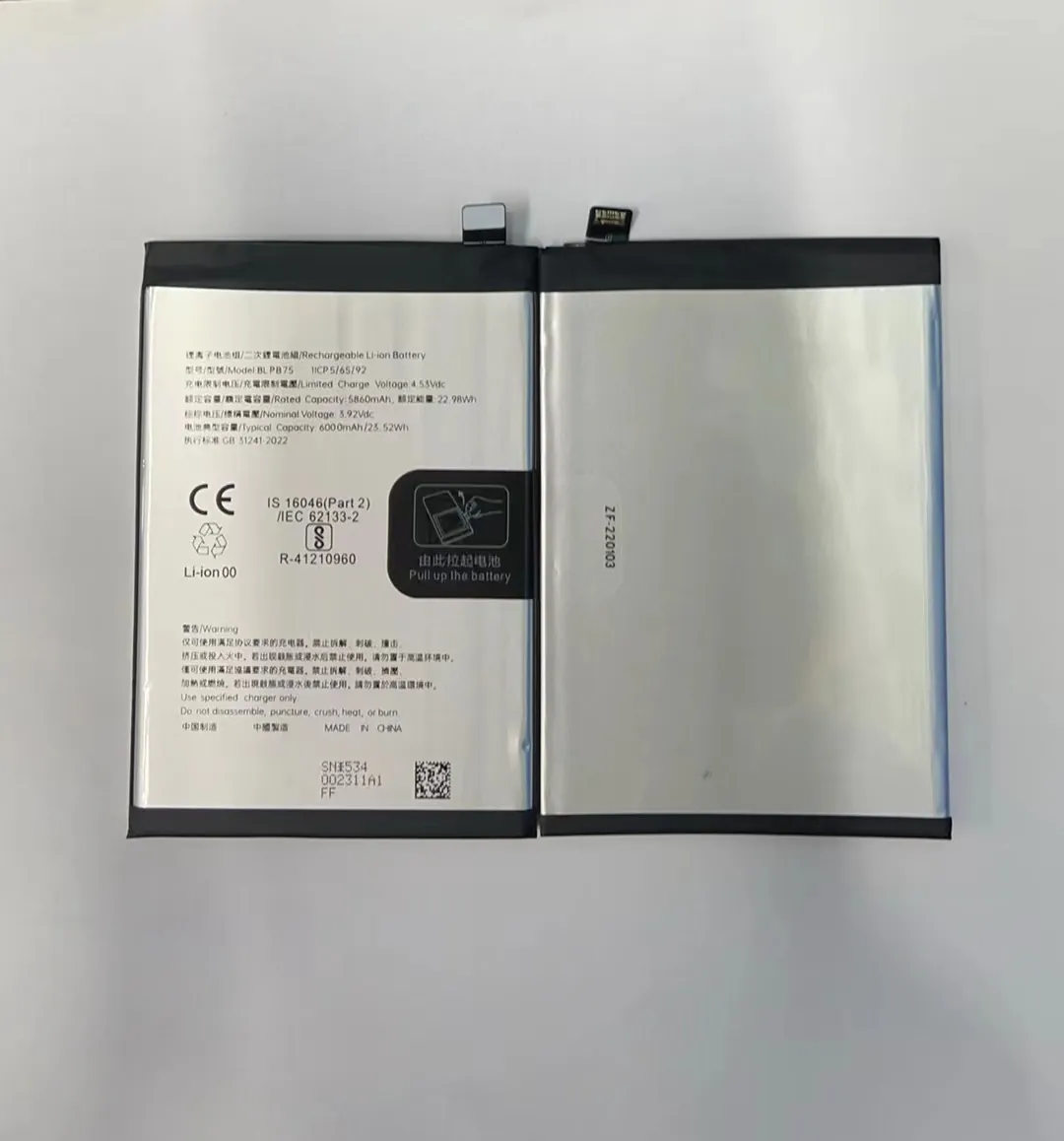
Modern phone batteries avoid memory issues because Li-ion chemistry does not form memory crystals, and phones use smart battery management systems to control charging and prevent damage.
How Li-ion chemistry works
Li-ion batteries move lithium ions between two layers. These layers do not change shape the way NiCd layers did. So even if you charge many times at 40%, the battery does not “lock” itself to that point. The chemistry is stable.
Battery management systems (BMS)
Modern phones carry a BMS. This small chip watches over voltage, current, heat, and charge cycles. The BMS stops charging when the battery is full. It lowers current when heat rises. It blocks deep discharge. It takes care of the battery in ways old phones never could.
Phone software helps too
Phone makers use software to guess battery health. They show cycle counts and cap peak performance when needed. These tools protect the battery from stress that could shorten life. They are not perfect, but they prevent many mistakes that users made years ago.
Common protections in modern phones
I list a few protections here because many users are surprised when they learn about them.
| Protection Type | What it Does |
|---|---|
| Overcharge cut-off | Stops charge at 100% |
| Temperature control | Slows charging when hot |
| Current limit | Reduces stress at high levels |
| Deep-discharge block | Prevents 0% damage |
What this means in real use
In my daily work, I see that phones age mainly from heat, fast charging, and long use. Memory effect does not appear at all. Even when I test many used batteries, I never see memory patterns. I only see normal cycle aging.
Why is memory effect rare today?
Many users ask this because they still see their battery drop fast and assume it is memory. But the real reason is simple.
Memory effect is rare today because modern Li-ion batteries use a different chemistry that cannot form memory patterns, and most “memory-like” changes come from natural aging instead.
Natural aging explained
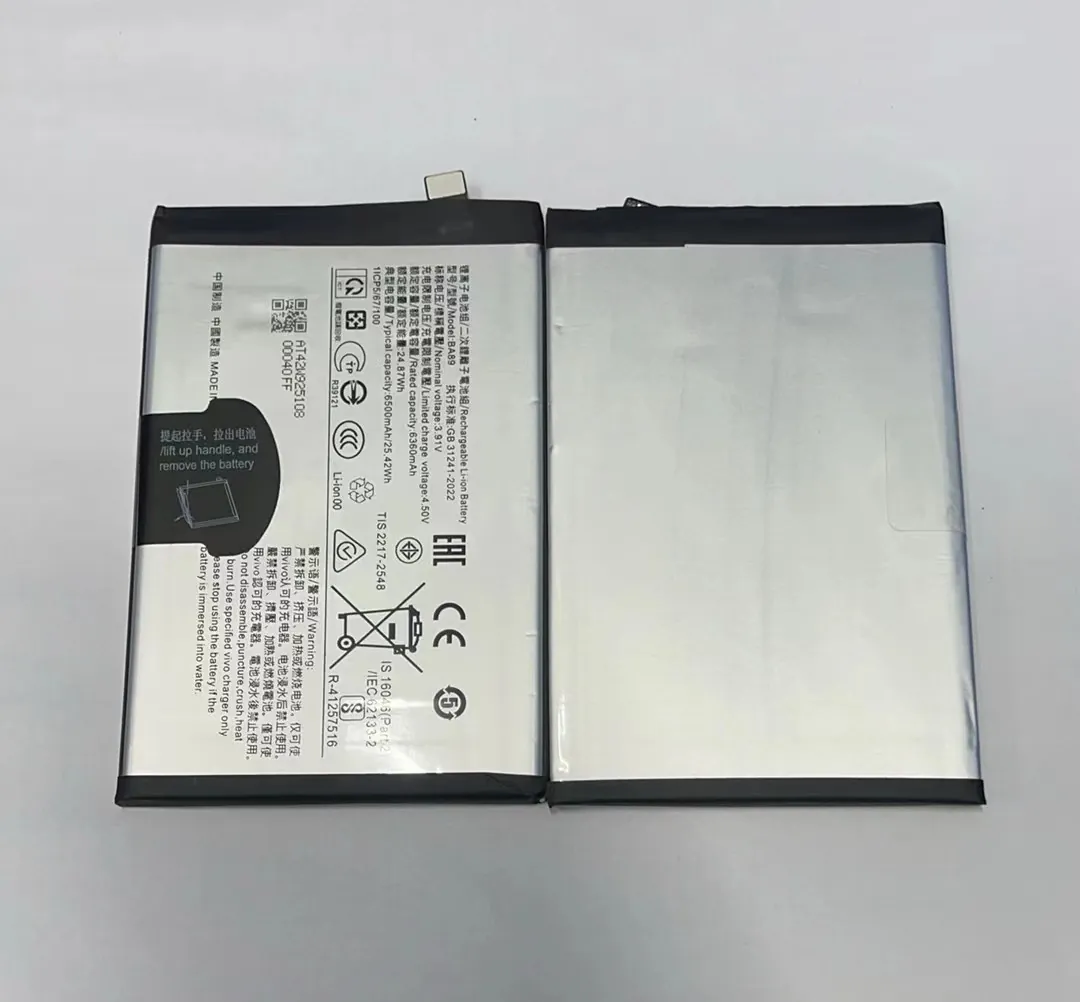
Every Li-ion battery loses a bit of capacity with each charge cycle. This happens even if the battery is perfect. This aging continues no matter how careful the user is. So when a phone shows less battery life, it is usually normal cycle wear.
Why people confuse aging with memory
People often charge their phone the same way every day. When capacity drops, they think the battery “remembers” this habit. But the battery only loses capacity from age, heat, and charge cycles. The pattern is natural.
How I explain this to customers
When customers ask about memory, I show them test results. I measure internal resistance and full charge capacity. The results point to age, not memory. Once they see the numbers, they understand the truth.
H3: Key differences between aging and memory
- Aging happens slowly over hundreds of cycles
- Memory effect happens only in NiCd cells
- Aging is normal and expected
- Memory effect was rare even in the old days
What rare cases still look like memory
Some users see “jumping” battery percentages. This is not memory. This comes from bad calibration. When the battery meter is wrong, the phone guesses the wrong charge. Recalibration fixes this, not deep discharge.
Which habits help avoid memory problems?
Users still want to know how to protect their battery. Even if memory is not real in modern phones, good habits still help keep the battery healthy.
You can avoid “memory-like” battery problems by keeping your phone cool, avoiding extreme charge ranges, and using short top-ups instead of deep discharges.
H3: Good habits that protect modern batteries
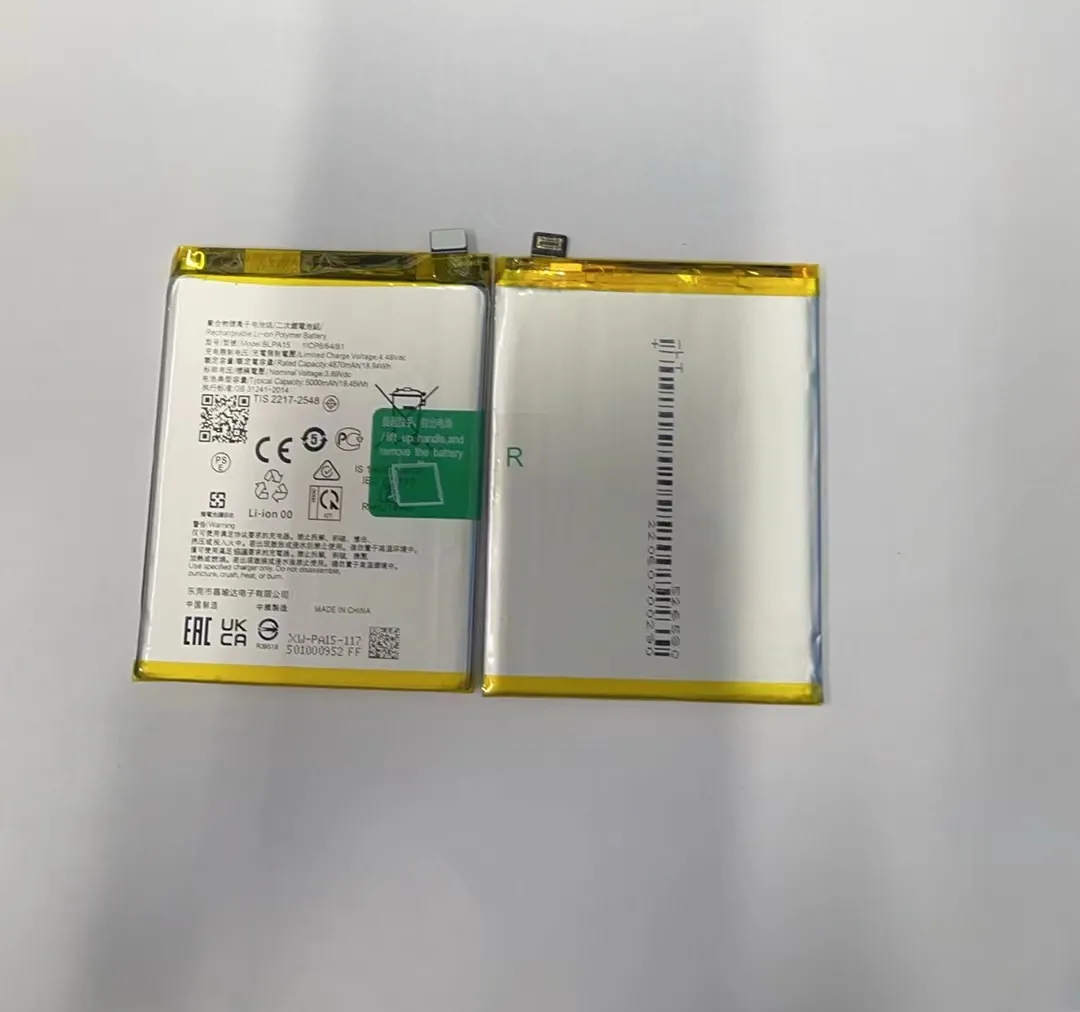
I want to give clear and simple habits that work today. These habits do not fight memory. They fight aging and heat.
- Keep the battery between 20% and 80% when possible
- Avoid 0% and 100% extremes for long hours
- Stop charging when the phone feels hot
- Use slow chargers when you have time
- Remove thick cases when charging
- Do not leave your phone under the sun
Why habits matter even without memory
Even if Li-ion batteries have no memory, they still age from stress. Heat is the biggest enemy. I test many batteries, and the worst ones come from phones that ran hot for long periods. Good habits lower heat and slow aging.
H3: How small habits changed my own phone’s life
I once used fast chargers all the time. My phone battery lasted only one year before it dropped under 80%. Then I changed my habits. I charged slowly at night, stopped charging at 100%, and avoided hot apps while charging. My battery health stayed better the next year.
H3: How to reset the battery meter
This part helps users who see “memory-like” issues. When the meter reads wrong, it may show sudden drops.
Steps:
- Charge to 100%.
- Use the phone until it shuts down.
- Charge again to 100% without breaks.
This resets the meter. It does not change battery chemistry. It only teaches the phone to read the level more accurately.
H3: When you must replace the battery
Sometimes no habit helps because the battery is old. If the phone shuts off at 20% or drops fast under light use, the battery may need replacement. This is normal after many cycles. There is no memory effect here. It is just time.
Conclusion
Modern phone batteries do not have memory effect. They use stable Li-ion chemistry and smart control chips. Good habits still help because they slow down heat and wear, not memory.
