
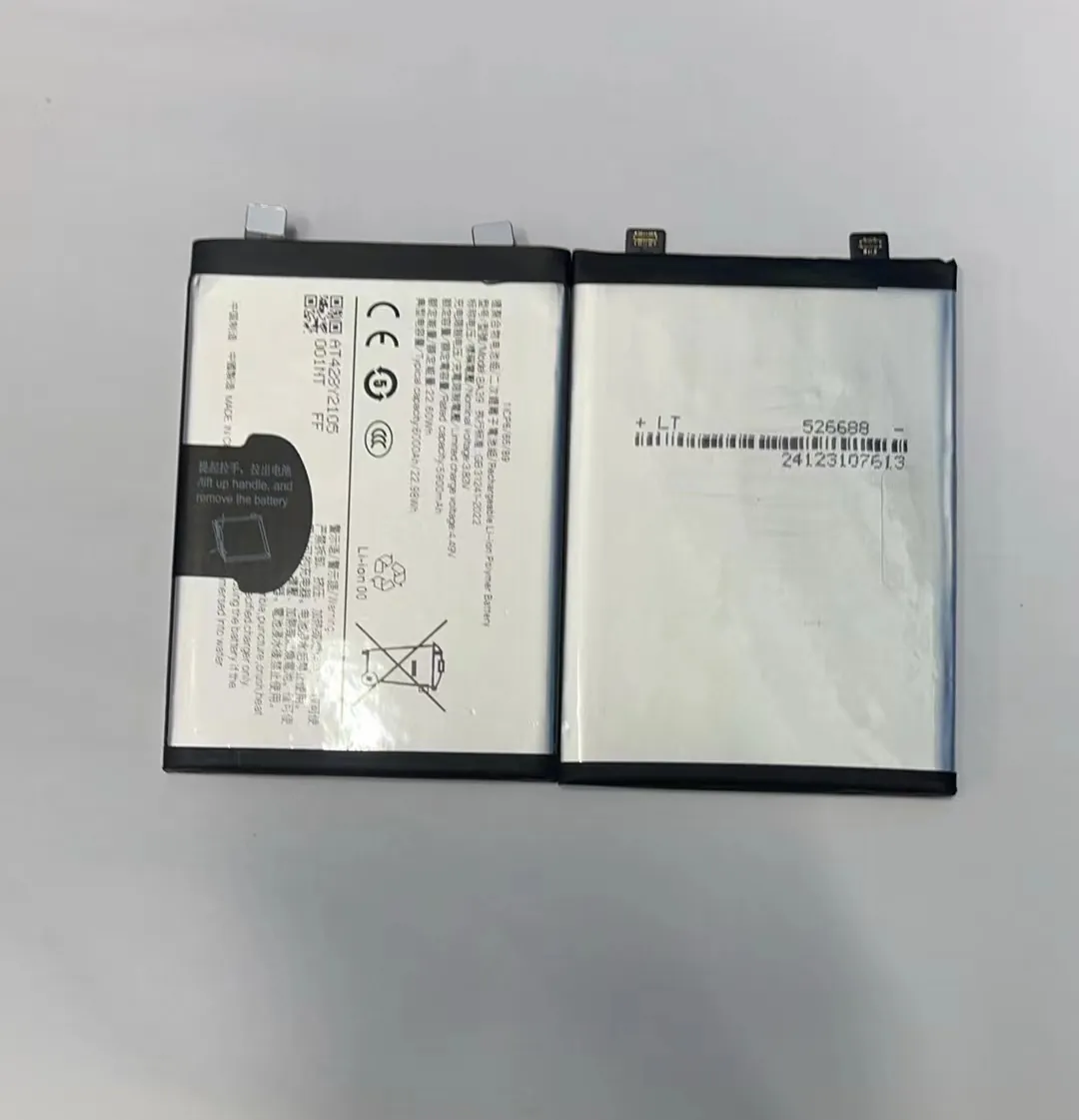
Smartphones are everywhere. We use them daily, but many people don’t know what type of battery powers these devices or why that matters.
Yes. Most mobile phones today use lithium‑ion batteries because they are lightweight, hold a lot of energy, and can be recharged many times.
Understanding why lithium is used, how it works, and what risks it carries can help phone users and wholesalers make better decisions about battery sourcing and use.
Why is lithium preferred?
Mobile phones demand long battery life, light weight, and reliable charging. Lithium solves all three.
Lithium is preferred because it provides high energy density, low weight, good performance, and long cycle life, making it ideal for mobile devices.
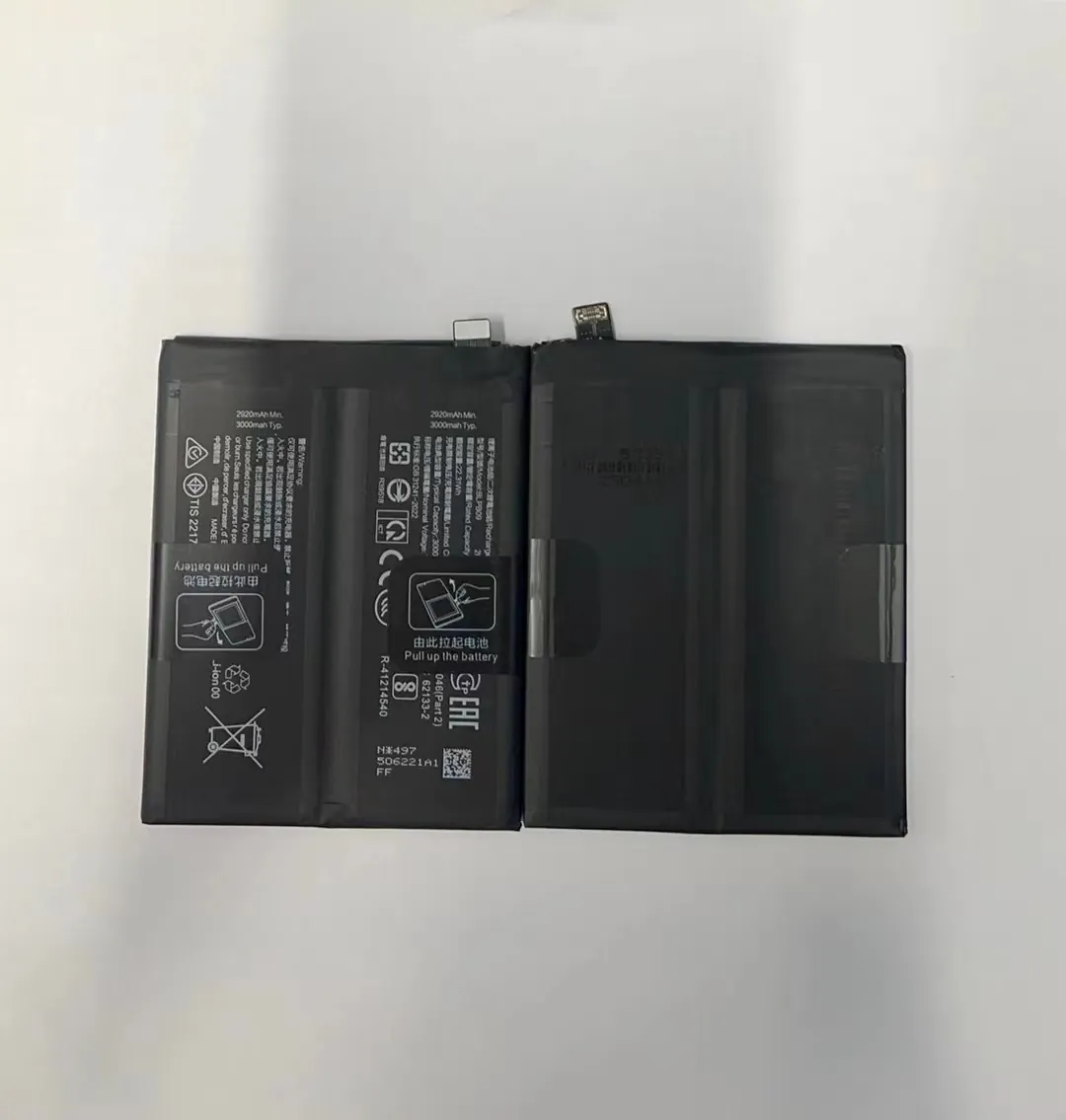
Lithium is the lightest metal that can hold a charge. That means batteries made from lithium can deliver more energy without adding much weight. This is very important in smartphones, where users want long usage hours without carrying a bulky device.
Compared to older battery types like nickel-cadmium or nickel-metal hydride, lithium-ion batteries offer far more power per gram. They also hold their charge longer and recharge faster. These features make lithium batteries a natural fit for modern electronics.
Lithium-ion batteries also have a high voltage per cell, about 3.6 to 3.9 volts, which helps phone manufacturers design simpler power systems. Phones need stable energy output to run processors, displays, cameras, and radios. Lithium batteries provide that consistency.
In terms of cost, lithium technology has improved steadily. Large-scale production and research have helped reduce costs while improving safety. Many battery suppliers now offer high-quality lithium cells with proven testing procedures, which helps wholesalers and repair companies keep returns low and quality high.
The combination of power, weight, cycle life, and affordability keeps lithium batteries as the top choice for mobile phone use.
How do lithium-ion cells store energy?
Lithium-ion batteries might seem like black boxes, but inside they follow clear chemical rules that allow charge and discharge.
They store energy by moving lithium ions between a positive and negative electrode through a liquid electrolyte during charge and discharge.
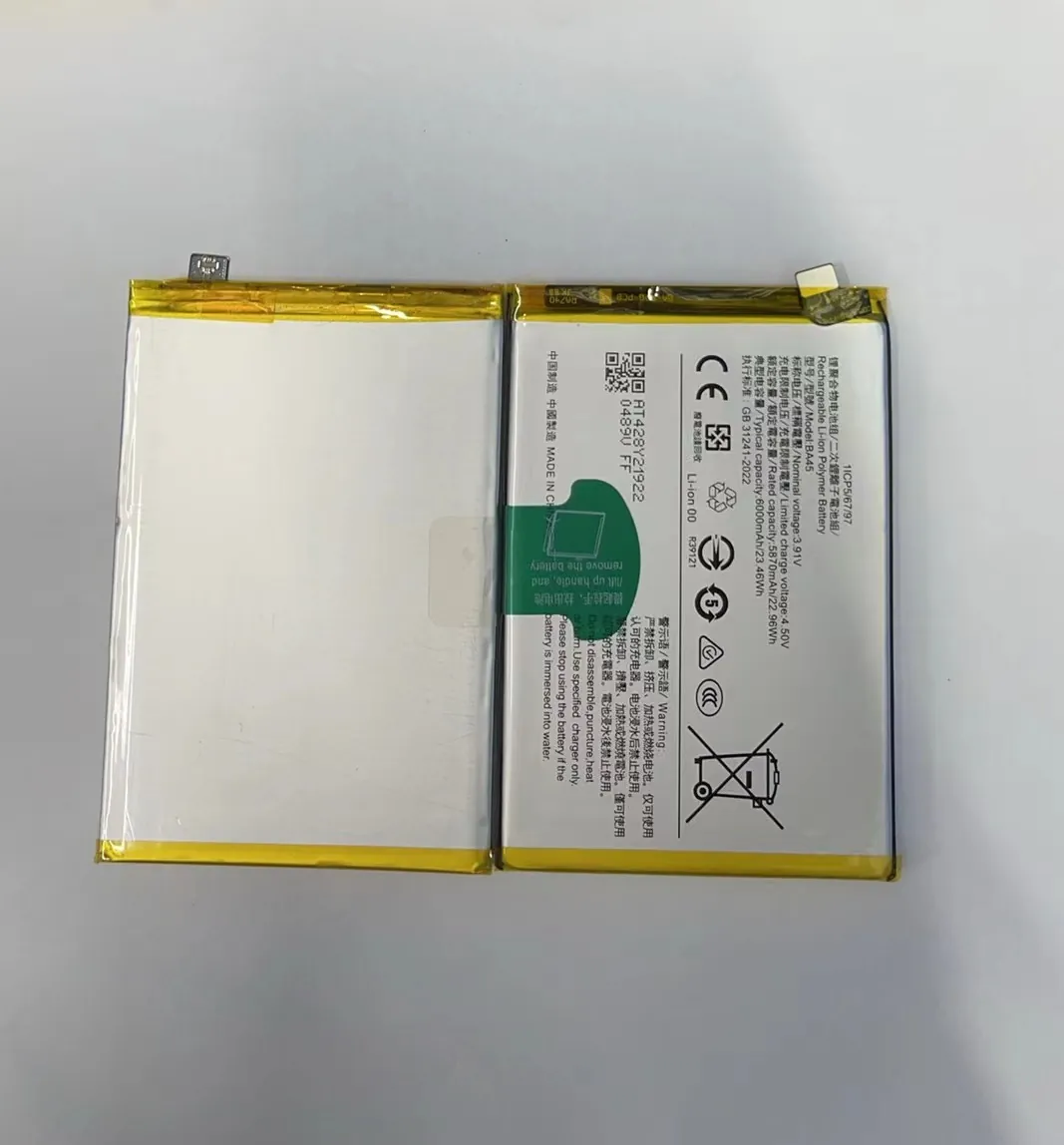
Each lithium-ion battery cell has four major components:
| Component | Function |
|---|---|
| Anode | Stores lithium ions during charge |
| Cathode | Releases lithium ions during charge |
| Electrolyte | Allows ion flow between anode and cathode |
| Separator | Keeps electrodes apart, prevents short circuit |
During charging, lithium ions move from the cathode to the anode. When discharging, ions return from the anode to the cathode, generating electricity in the process. The separator keeps the electrodes from touching and creating a short, while still allowing ions to pass through.
This movement of ions is known as intercalation. It allows the battery to store and release energy without breaking down the chemical structure. That’s why lithium-ion cells can be recharged many times.
The amount of energy a cell holds depends on the materials used in the electrodes and how much lithium they can store. Modern phone batteries often use lithium cobalt oxide (LiCoO₂) in the cathode and graphite in the anode.
Charging circuits in phones carefully manage this ion movement. They control current, temperature, and voltage to protect the battery and extend its life.
Because this chemistry is highly efficient and repeatable, lithium-ion batteries are the top choice for powering everything from small gadgets to electric vehicles.
What risks come with lithium batteries?
Lithium batteries offer great performance, but if poorly made or damaged, they can become dangerous.
Lithium batteries can overheat, catch fire, or swell if overcharged, short-circuited, or exposed to extreme conditions.
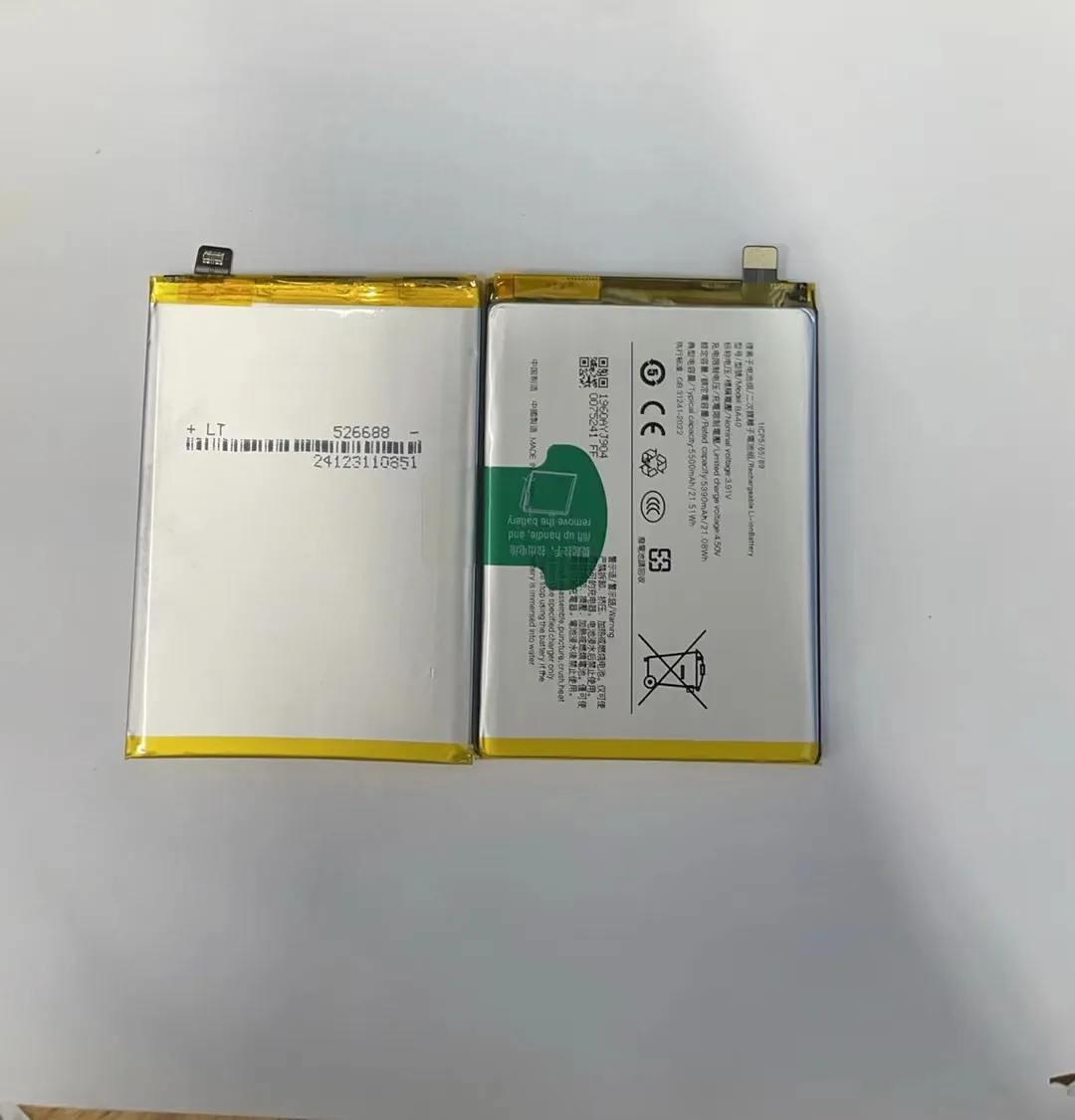
The biggest safety concern is thermal runaway. This happens when a battery cell heats uncontrollably, often due to internal short circuits, overcharging, or physical damage. It can lead to fire or even explosion. While rare in good-quality batteries, the risk increases with poor manufacturing or mishandling.
Another issue is battery swelling. As lithium cells age or are exposed to heat, gases may build up inside the battery. This causes the battery to expand, which can damage the phone’s casing or screen. Swollen batteries should never be reused or charged.
Table: Common Lithium Battery Risks and Causes
| Risk | Common Cause |
|---|---|
| Overheating | Faulty charger, short circuit, poor QC |
| Swelling | Age, overheating, physical damage |
| Fire/Explosion | Thermal runaway, puncture, overcharging |
| Rapid discharge | Defective cell structure or BMS failure |
| Reduced lifespan | Poor materials, deep cycling, misuse |
Charging mistakes are another concern. Using non-original chargers or fast chargers with incompatible batteries can send too much current, leading to heat and damage. Quality control also matters — cheap or counterfeit batteries often lack safety protections.
Good battery suppliers test their products before shipment. They follow standards like UN38.3 or IEC62133. Batteries with quality assurance (QA) tags, tracking codes, and built-in protection circuits (e.g., PTC, NTC) are much safer.
Users and repair shops must avoid using swollen, leaking, or damaged batteries. Proper storage, safe charging habits, and reliable sourcing all help reduce these risks. Safety should never be sacrificed for price.
Where are lithium cells commonly used?
Lithium-ion batteries power many modern devices — not just phones. Their unique traits make them ideal for many industries.
Lithium cells are widely used in phones, laptops, tablets, power banks, tools, electric vehicles, drones, and medical devices.
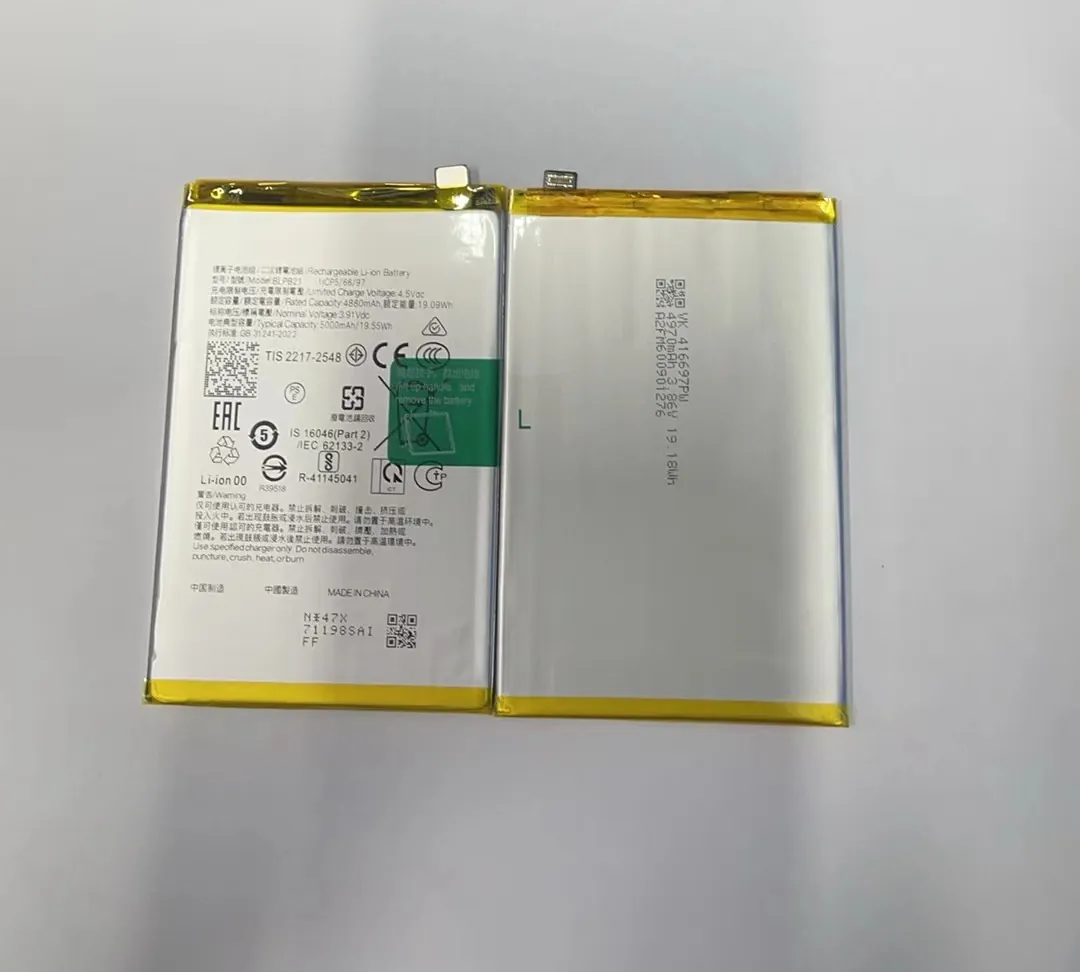
These batteries are chosen wherever high energy, light weight, and long life are needed. Here's a breakdown:
| Device Type | Why Lithium Fits |
|---|---|
| Smartphones | Light, long-lasting, fast charging |
| Laptops & Tablets | High energy density, reliable performance |
| Power Banks | Rechargeable, compact, high capacity |
| Drones & Cameras | Strong current output, lightweight cells |
| Smartwatches | Small form factor, steady voltage |
| Electric Vehicles | High capacity, rechargeable thousands of times |
| Medical Devices | Stable voltage, long operational life |
| Tools & Appliances | Strong bursts of energy, good cycle life |
Lithium-ion batteries adapt to many shapes and sizes. Flat pouch cells go into phones and tablets. Cylindrical cells power flashlights and electric bikes. Prismatic cells are used in car battery packs and storage units.
These batteries also appear in backup systems, solar energy storage, and even aerospace devices. In each case, the same advantages — high energy, rechargeability, and compact size — apply.
Because demand spans so many industries, the lithium battery supply chain has matured. High-volume production helps keep costs low. Certifications and testing are now widely available, making sourcing easier for wholesalers and brands.
The wide use of lithium batteries is not a trend — it reflects deep, tested performance across industries. As battery technology improves, expect even more devices to run on lithium power.
Conclusion
Modern phones rely on lithium-ion batteries because they offer high energy, low weight, and long lifespan. These cells store energy through ion movement and serve not just phones but laptops, tools, and vehicles. While risks exist, proper design and quality sourcing keep usage safe and reliable.
