

I know many people feel lost when they try to charge a new phone battery for the first time. Some fear they will damage it. Some fear slow charge. Some fear fast charge. These worries can make them feel unsure.
A new mobile phone battery usually needs the same charging time as a normal battery. Modern lithium-ion cells do not need long first charges, and they work well right away.
I want to explain this in a simple way. I want to help you avoid stress. I want to show you clear steps so you can charge with confidence.
What affects new battery charge time?
Many people think new batteries need special long first charges. This idea can confuse them. It can make them wait for hours without reason.
A few things affect charge time: battery size, charger speed, cable quality, and the phone’s power management system. These factors shape the total time much more than the battery being “new.”
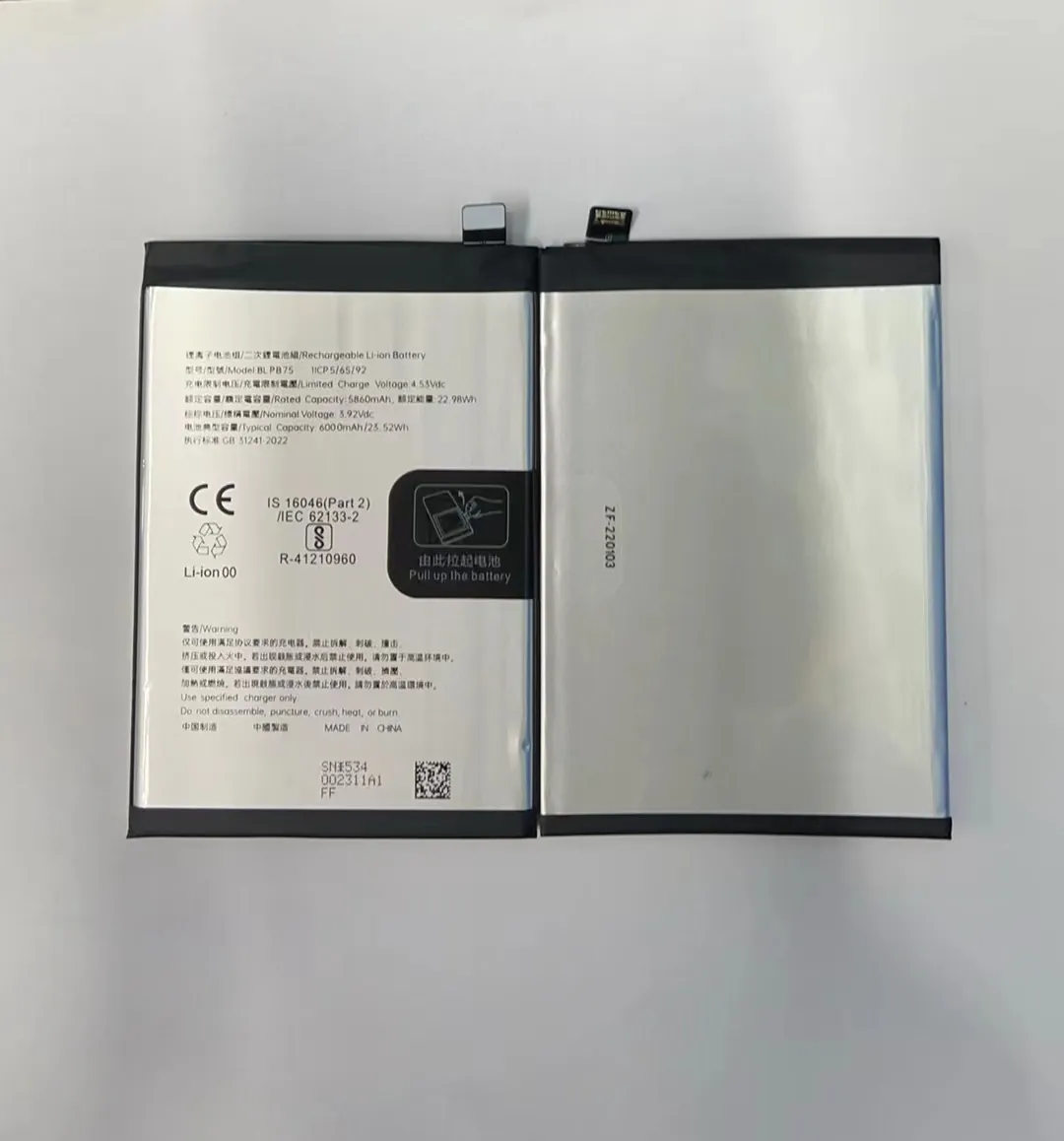
Why battery size matters
I work with phone batteries every day, so I see how battery size changes charging speed. Larger batteries hold more energy. They take more time to fill. Small batteries need less time. This idea sounds simple, but many people ignore it. They think all phones should charge at the same pace. When customers ask me why their 5000 mAh battery charges slower than a 3000 mAh one, I tell them it is like filling two cups of water. A big cup needs more time even if the tap is strong.
Why charger power matters
The charger plays a huge role. A 5W charger charges slowly. A 20W or 30W charger charges much faster. The wattage tells me how much power the charger can push into the battery. A low-power charger takes longer even if the battery is small.
Why cable quality matters
A weak cable slows charging. Some cables limit current. Some cables wear out after long use. I often test cables before sending them to customers. A small defect can double the charge time. I always tell my clients to use good cables for stable speed.
Why phone software matters
Modern phones control charging with smart software. The phone decides how much power the battery gets. It slows down charging when the battery is close to 100%. It may slow down charging if it detects heat. This protects the battery. It also makes charge time change from day to day.
Table: Factors that affect charge time
| Factor | How it changes charge time | Impact level |
|---|---|---|
| Battery size | Larger size needs more energy | High |
| Charger wattage | Low wattage slows charging | High |
| Cable quality | Weak cable limits current | Medium |
| Phone software | Controls current and heat | Medium |
| Temperature | High heat slows speed | Medium |
I see these factors every day when I work with batteries. When people understand them, they stop worrying about the idea of “first charge rules.” The truth is simple. New lithium batteries work well right away.
How do chargers change speed?
Many people feel unsure when they try different chargers. They ask why one charger is fast and another is slow. They fear they might hurt the battery.
Chargers change speed because of wattage output, voltage control, cable support, and the phone’s built-in charging limits. The charger does not act alone. The phone decides how much power it accepts.
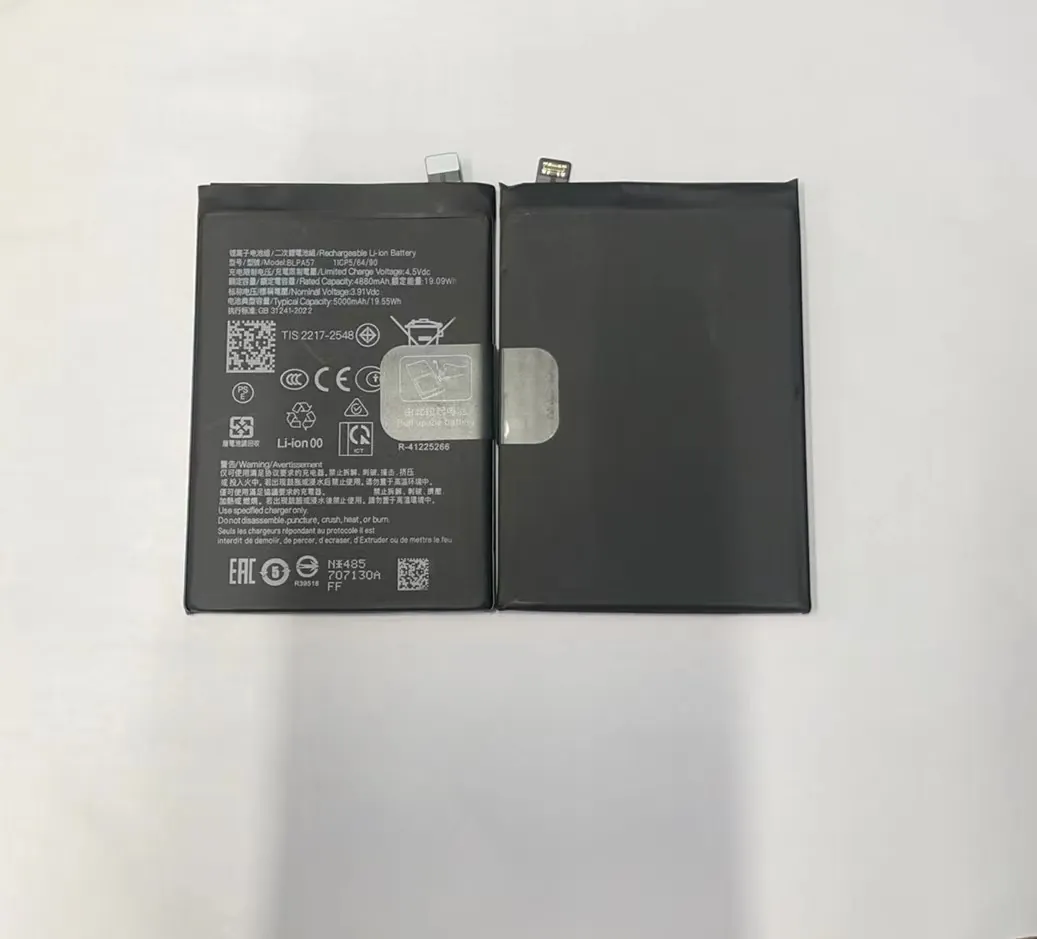
How charger wattage shapes charge speed
I deal with chargers almost every day. I test them. I check voltage and current. I do this so customers get stable results. A charger with high wattage can send more power. For example, a 10W charger might give 5V/2A. A 30W charger might use higher voltage, such as 9V or 12V, to push energy faster. This means a powerful charger can speed up charging. But this only happens if the phone supports it.
How the phone decides the real speed
This part surprises many people. They think a strong charger will force the phone to charge fast. But this is not true. The phone controls the process. It chooses how much current to accept. This keeps the battery safe. If the phone only supports 15W charging, then even a 65W charger will not charge faster.
Cable support and speed stability
Many customers ask me why their fast charger charges slowly. Most of the time, the cable is the reason. Some cables cannot handle high power. Some cables only support basic charging. Some are damaged inside even though the outside looks fine. When I test devices before shipment, I check the cable quality because it is a weak link in the chain.
How heat changes speed
Heat slows charging. The phone lowers power when temperature rises. I see this often when I test phones on hot days. Even a fast charger becomes slow in high heat. Heat protection is a normal safety function. It helps the battery last longer.
Table: Charger types and typical speeds
| Charger Type | Example Power | Typical Use Case | Speed Expectation |
|---|---|---|---|
| Basic charger | 5W | Old phones, simple charge | Slow |
| Standard charger | 10W–15W | Daily phones | Medium |
| Fast charger | 20W–30W | New phones | Fast |
| Super-fast charger | 40W–80W | High-end models | Very fast |
When customers see these differences, they understand why speed changes. The charger alone cannot decide the speed. The phone and the cable also play important roles.
Why fast charging varies by model?
Many people get confused when they see different phones charge at different speeds even with the same charger. They think the charger is broken or the battery is weak.
Fast charging varies by model because each phone supports different charging standards, battery designs, heat control systems, and software limits. These systems shape the final charging speed for each model.
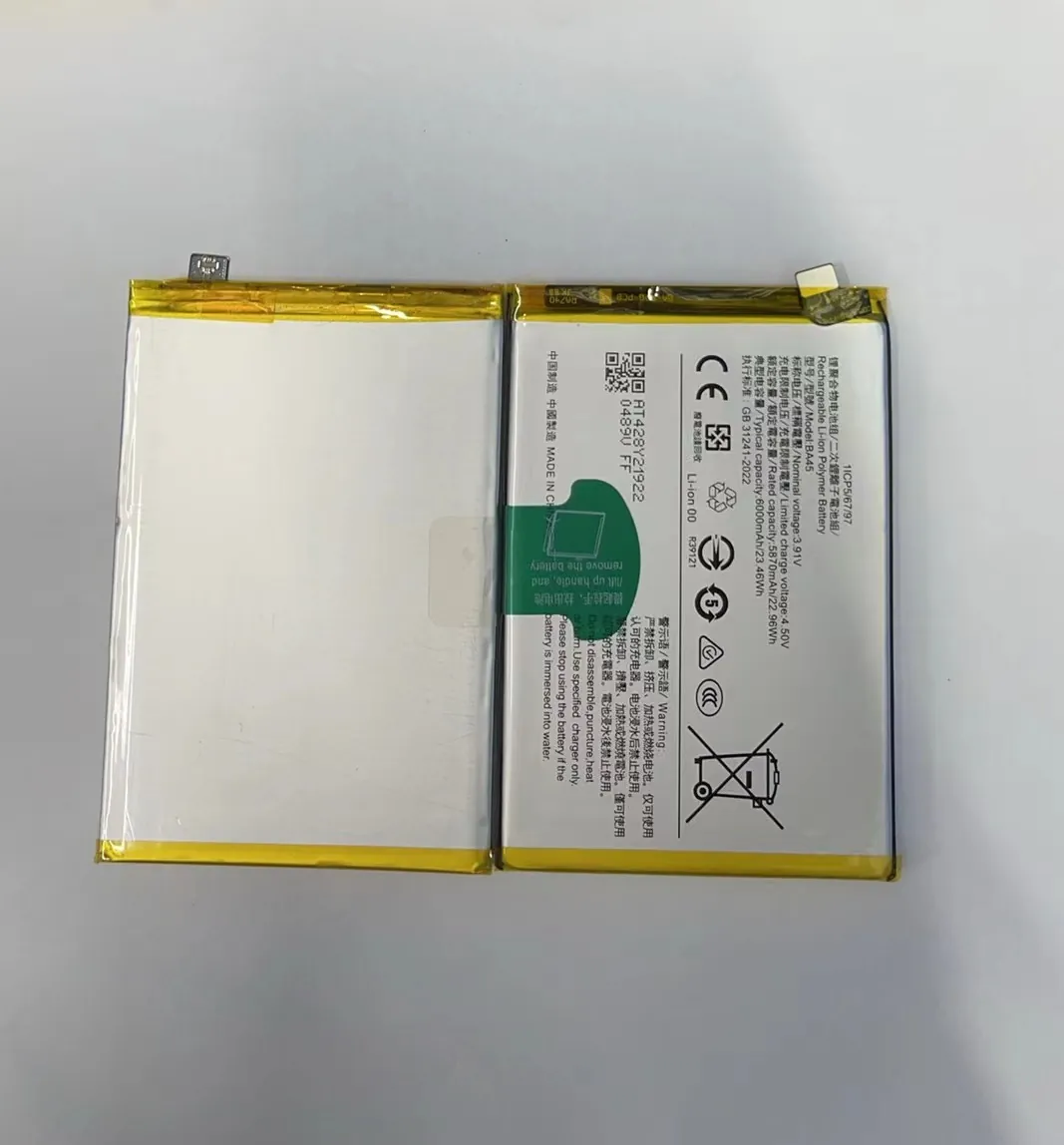
Charging standards differ across brands
Every phone brand uses its own technology. Some use Quick Charge. Some use Power Delivery. Some use private fast-charge systems. These systems are not always compatible. When I help customers choose batteries and tools, I often explain that fast charging works only when all parts match. If the charger uses one standard and the phone uses another, the phone might charge slower.
Battery chemistry and design
Some phone models use batteries that support high current. Some use batteries that limit current for better temperature control. These design choices change speed. When I test batteries before shipping, I see how each model accepts different current levels. A phone that supports 25W charging will stay faster than one that only supports 10W, even with the same charger.
Heat management
Some phones have better heat control. They have better cooling materials. They spread heat better inside the frame. These phones stay cool even at high speed. This allows the phone to keep fast charging for longer. Other models slow down faster because they heat up quickly.
Software limits
Software plays a major role in charge time. Some brands slow down charging during the last 20% to protect the battery. Some brands slow down charging when the user is using the phone while charging. Some phones pause fast charging during high temperature. These rules change the final speed.
Real-world variation
I see variation every day. For example, two phones with the same battery size can finish charging at completely different times. One model may reach 80% fast then slow down sharply. Another may keep stable speed longer. These patterns surprise many customers, but they come from design choices made by the phone makers.
Which habits ensure safe charging?
People worry about battery safety. Some fear fast charging. Some fear overnight charging. Some think they should charge to 100% every time. These ideas can lead to stress.
Safe charging comes from simple habits: using quality chargers, avoiding extreme heat, keeping charge levels moderate, and letting the phone manage protection functions. These habits help the battery stay healthy.
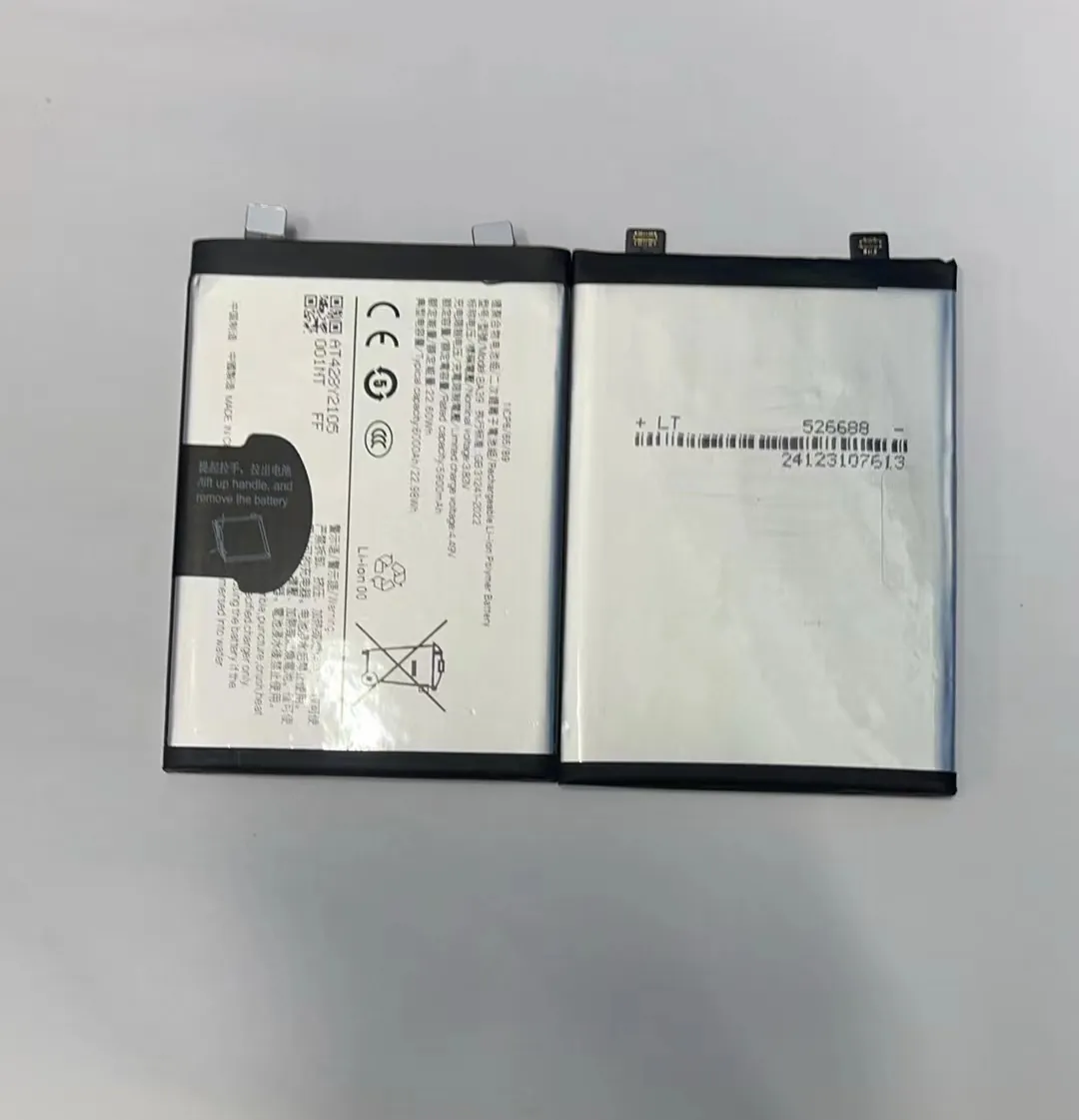
Use quality chargers and cables
I always tell customers to use stable chargers. A weak charger can give unstable voltage. This can make the phone heat up or charge slowly. A damaged cable can also cause heat. Safe charging starts with clean, stable power.
Avoid heat
Heat is the biggest enemy of batteries. When a phone gets too hot, the battery ages faster. I try to avoid charging in hot cars or under the sun. Heat also slows down the charging speed. When I test batteries in my workspace, I keep the room cool so the readings stay stable.
Keep charge levels moderate
Many people think they must charge to 100%. But modern lithium batteries do not need full charges. In fact, keeping the battery between 20% and 80% helps it stay healthy longer. I often tell customers that they can charge to 100% if they need longer daily use, but for long-term health, moderate levels are better.
Do not fear overnight charging
Modern phones stop charging automatically when the battery is full. They use trickle charge or pause charging. This keeps the phone safe. People worry about overnight charging because of old battery myths. But with modern protection chips, it is safe.
Stop using cheap or unknown chargers
I know some people buy very cheap chargers. These chargers often lack safety parts. They may produce unstable current. They may heat up. They can damage the battery or the phone. I always suggest using trusted brands or original chargers. Quality matters.
Conclusion
New phone batteries do not need special long first charges. The real charge time depends on battery size, charger speed, cable quality, model design, and heat control. Simple good habits keep charging safe and stable.
