
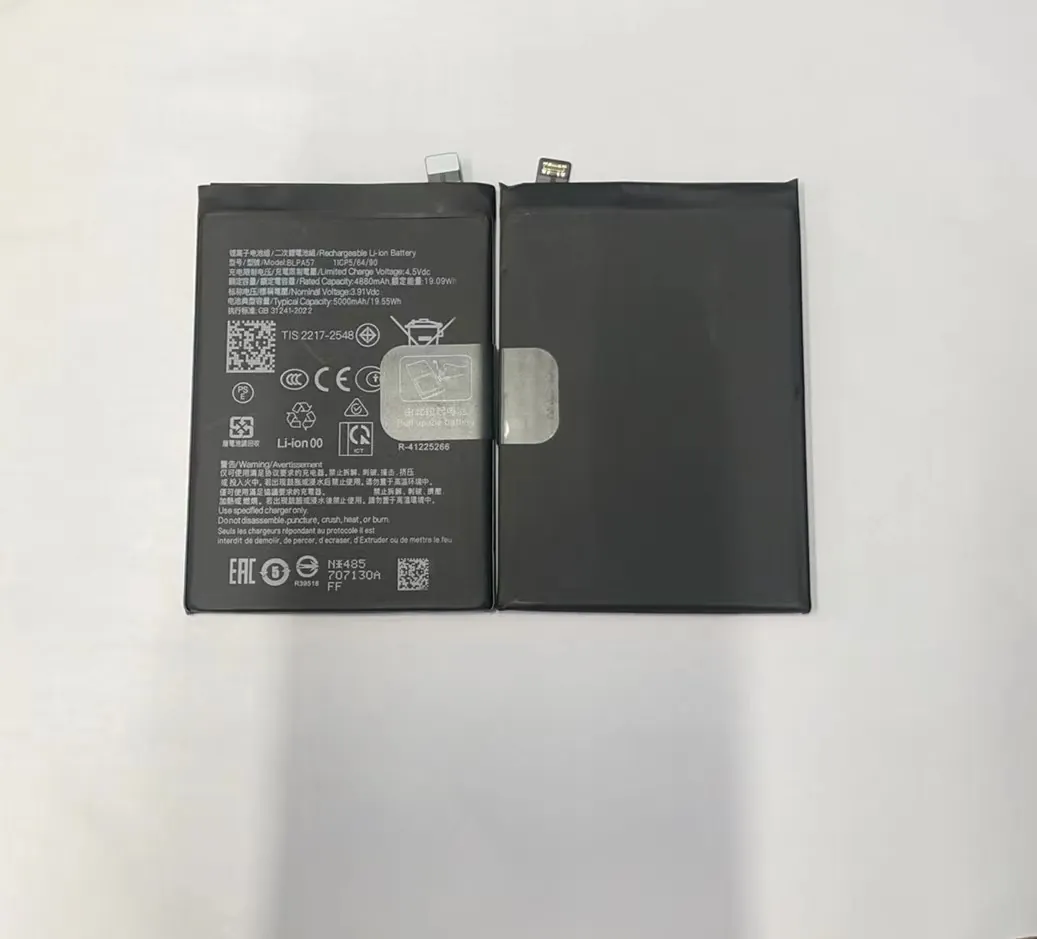
Many people feel confused when they hear someone talk about the number of cells inside a phone battery. I notice that some people think a higher cell count always means better performance, but the truth is not that simple.
Most mobile phone batteries use a single lithium-ion or lithium-polymer cell, and the cell count depends on voltage needs, device size, safety design, and cost. A higher cell count does not always give better results.
I want to explain this topic in a clear and simple way, so you can understand how battery cells work and why phone makers choose different designs. I will share what I see in daily work and what I learn from handling thousands of batteries.
What determines battery cell count?
Many people feel confused because they think a battery must include many cells to be safe or strong. I see this belief often when customers compare different replacement batteries.
Battery cell count depends on the required voltage, capacity target, internal structure, safety rules, and the space available inside the device.

I work with phone batteries almost every day, and I learn that the number of cells used in one pack follows practical rules, not marketing. Phone makers use the lowest safe number of cells to reach the needed voltage and capacity, because more cells mean more complexity. The basic unit of a lithium cell has a nominal voltage of 3.7V to 3.85V, and this number is the main reason why phone batteries almost always use only one cell. I will explain this in detail.
Voltage and Space Limits
A phone needs about 3.7V to 4.4V to run. A single lithium cell already offers this voltage range. That means we do not need to connect cells in series. If we add cells in series, voltage goes up. But phones are not built to accept a higher voltage. If we add cells in parallel, the pack becomes bigger and thicker. Most phones leave no space for this.
Safety Rules and Testing
Phone makers follow strict safety steps. More cells mean more internal wiring and more points where something can go wrong. A single-cell pack is easier to test. It is also easier to control heat. When I test packs in the workshop, I can see that multi-cell designs need more careful handling.
Table: Key Factors That Decide Cell Count
| Factor | How It Affects Cell Count |
|---|---|
| Voltage requirement | A phone already matches one lithium cell voltage |
| Internal space | Small body leaves no room for multi-cell structures |
| Heat control | Fewer cells keep heat stable |
| Cost | More cells increase design and test cost |
| Safety rules | Simple packs pass tests more easily |
Why Manufacturers Prefer Simple Designs
Most brands want stable performance with low return rates. A single-cell design reaches this goal. I notice that when a pack includes more than one cell, failure rates often rise. The chance is small but still higher. That means more repairs, more complaints, and more replacement work. A simple pack helps avoid these problems.
In short, the cell count is the result of voltage needs, space limits, and safety rules. When all these factors point to one cell, makers will not choose two.
How do designs affect cell number?
Some people think the design only changes the shape. But the design also changes how many cells fit inside and how they work together.
Design shapes, connection methods, and device layout can increase or limit the number of cells in a phone battery. Some shapes force a single-cell pack, while others support multi-cell structures.

When I hold different phone batteries in my hands, I can feel the design differences right away. Some are flat and soft. Some are stacked. Some are thick. Some include a small bend. These design choices affect how cells are arranged and how many can be used.
The Role of Battery Geometry
A battery can be flat, long, L-shaped, or folded. For example, some phones use an L-shaped battery. Even if it looks like two parts, it is still one cell. The internal material bends into shape. It is not two separate cells joined together. This shape helps fill space inside the phone.
Series vs Parallel
Two cells in series increase voltage. Phones cannot accept that. So the only possible multi-cell design is parallel. Parallel adds capacity. But parallel also needs more wiring. More wiring adds more risk. I see this problem when I test aftermarket packs. A small mistake in welding can make the pack unstable.
Heat Flow
Heat must leave the battery safely. A multi-cell pack produces more heat. This heat spreads differently. Some phones include special shields or graphite layers. In a single-cell pack, heat moves in a simple way. This helps the device avoid damage.
Table: How Battery Shapes Affect Cell Count
| Battery Shape | Cell Count Impact | Typical Use |
|---|---|---|
| Flat single block | Usually one cell | Almost all modern smartphones |
| L-shaped | Still one cell | Newer iPhone models |
| Double-layer stacked | One cell folded | Phones with slim but tall space |
| True multi-cell pack | Two or more cells in parallel | Tablets or larger devices |
Design and Manufacturing Reality
I talk with engineers sometimes, and they often tell me that controlling quality is easier with one cell. The welding is simple. The protection board is simple. The risk is low. When a design forces multi-cell layout, the number of test steps becomes much higher. This increases cost and time.
In short, design shapes the cell number. But most phone designs point toward a single-cell solution because it is the safest and most efficient way to match the phone’s needs.
Why single-cell packs are common?
Many customers ask me why so many batteries have only one cell. They think more cells would give longer battery life. The idea sounds correct, but phones follow different rules.
Single-cell packs are common because they match the voltage of phones, save internal space, reduce heat problems, lower failure risk, and pass safety tests more easily.

I handle many batteries every week, and I notice the same pattern. Single-cell packs almost always give more stable results. They have fewer issues in storage, shipping, testing, and daily use.
Voltage Compatibility
A mobile phone mainboard is designed around one lithium cell. Everything, from charging IC to PMIC to sensors, expects a certain voltage range. This design does not allow two series cells. Changing this would require a full redesign of the device.
Size Limits and Market Expectations
People want thin phones with big batteries. A single cell fits into thin shapes. A multi-cell design takes more layers and more protection material. That makes the battery thicker.
Safety and Heat
Heat is the main enemy of battery life. More cells produce more heat. When I check returned batteries, most failures come from heat damage. Single-cell packs handle heat better because the internal chemistry spreads it more evenly.
Production and Cost
Making one cell is cheaper and faster. Testing one cell is easier. This helps makers keep prices reasonable. It also helps reduce return rates. A low return rate is important for both sellers and repair shops.
Long-Term Stability
I often test old batteries from older devices. Single-cell packs usually age in a predictable way. Multi-cell packs age unevenly. One cell becomes weak first. This imbalance creates voltage swings. These swings cause fast shutdowns or swelling. This is why multi-cell packs are rare in phones.
In simple words, a single-cell pack is the best balance between safety, size, cost, and performance. That is why almost all phones use it.
Which variants use multi-cell layouts?
Some devices use more than one cell. Many people think these devices include phones, but that is not true in most cases.
Multi-cell layouts appear mainly in tablets, foldable phones, rugged devices, older removable batteries, and very high-capacity specialty models. These devices use more space and need higher capacity than a single cell can provide.
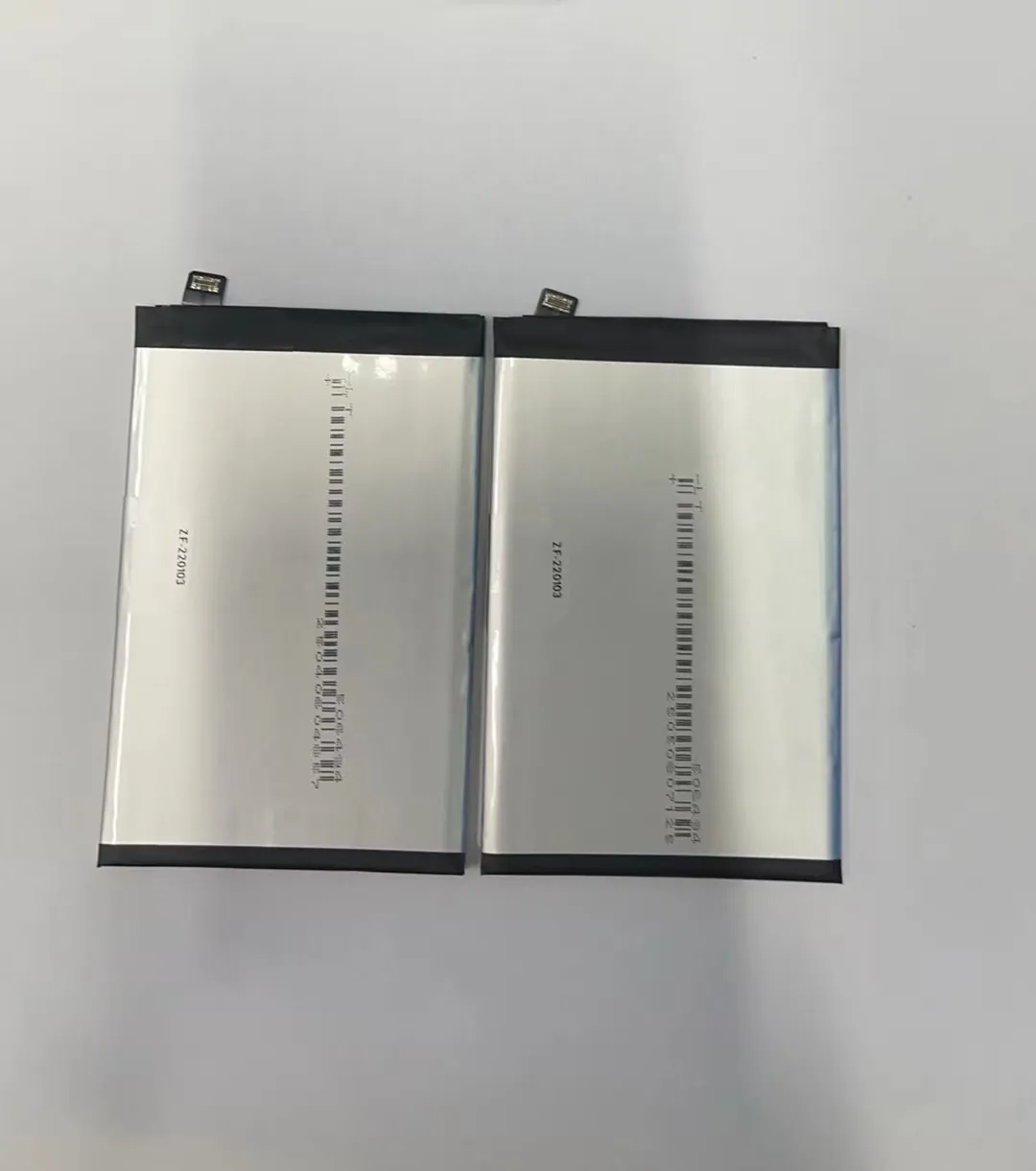
When I test batteries for different devices, I see a clear pattern. Multi-cell designs show up in larger devices or devices with special shapes. They provide more energy but also need more control.
Devices That Commonly Use Multi-Cell Packs
1. Tablets
Tablets often use two or more thin cells. They place the cells side by side to increase capacity. Tablets have more room inside, so they can use parallel cells safely.
2. Foldable Phones
Foldable phones usually include two battery modules. The device bends, so the pack is split into two parts. But each part is often a separate single cell. These two cells connect in parallel or controlled circuits.
3. Rugged Phones
Rugged phones sometimes use larger battery packs. Some of these packs include two parallel cells to reach very high capacity. These devices are thick, so space is not a problem.
4. Power Banks
Power banks use many cells. This is the most common multi-cell product. They connect several cells in parallel and sometimes in series.
5. Older Designs
Some early models used two cells. These designs disappeared because they were too thick and hard to control.
Table: Where Multi-Cell Packs Are Used
| Device Type | Typical Cell Count | Reason |
|---|---|---|
| Tablets | 2–4 cells | Large space and high capacity |
| Foldable phones | 2 modules (1 cell each) | Split design for hinge area |
| Rugged phones | 2 cells in parallel | Very high capacity need |
| Power banks | Many cells | High energy storage |
| Standard smartphones | 1 cell | Size and voltage limits |
Why These Devices Can Use More Cells
These devices have room for extra wiring and protection layers. They also include stronger heat shields. Their internal structure supports multi-cell control circuits. In my experience, these devices require more testing. But they can handle the extra steps because the body is larger.
Phones, on the other hand, do not have this freedom. Everything inside a phone is tight. Even one extra millimeter can break the design. That is why most phones stick to a single-cell layout.
Conclusion
Most phone batteries use only one cell because it matches voltage needs, saves space, reduces heat, and keeps the design simple. Multi-cell layouts appear only when the device shape or capacity requirement demands it.
