

I see many buyers worry about battery problems, so I open this topic to show how each phone battery starts its life inside a factory. I want to help readers see the real steps behind the part they use every day.
Mobile phone batteries are made through material mixing, electrode coating, cell stacking, electrolyte filling, sealing, formation charging, and strict testing to ensure safety, long life, and stable performance.
I want to guide you from raw materials to the final battery shape, so you can understand why a good battery looks simple but needs careful work at every stage.
What materials build battery cells?
I meet many clients who feel confused about battery ingredients, and some fear hidden shortcuts. I want to break this fear by showing the simple truth behind each layer of a real phone battery.
Mobile phone battery cells use four main materials: a cathode layer, an anode layer, a separator film, and a liquid electrolyte. These materials store and release energy through controlled chemical reactions inside a sealed cell.
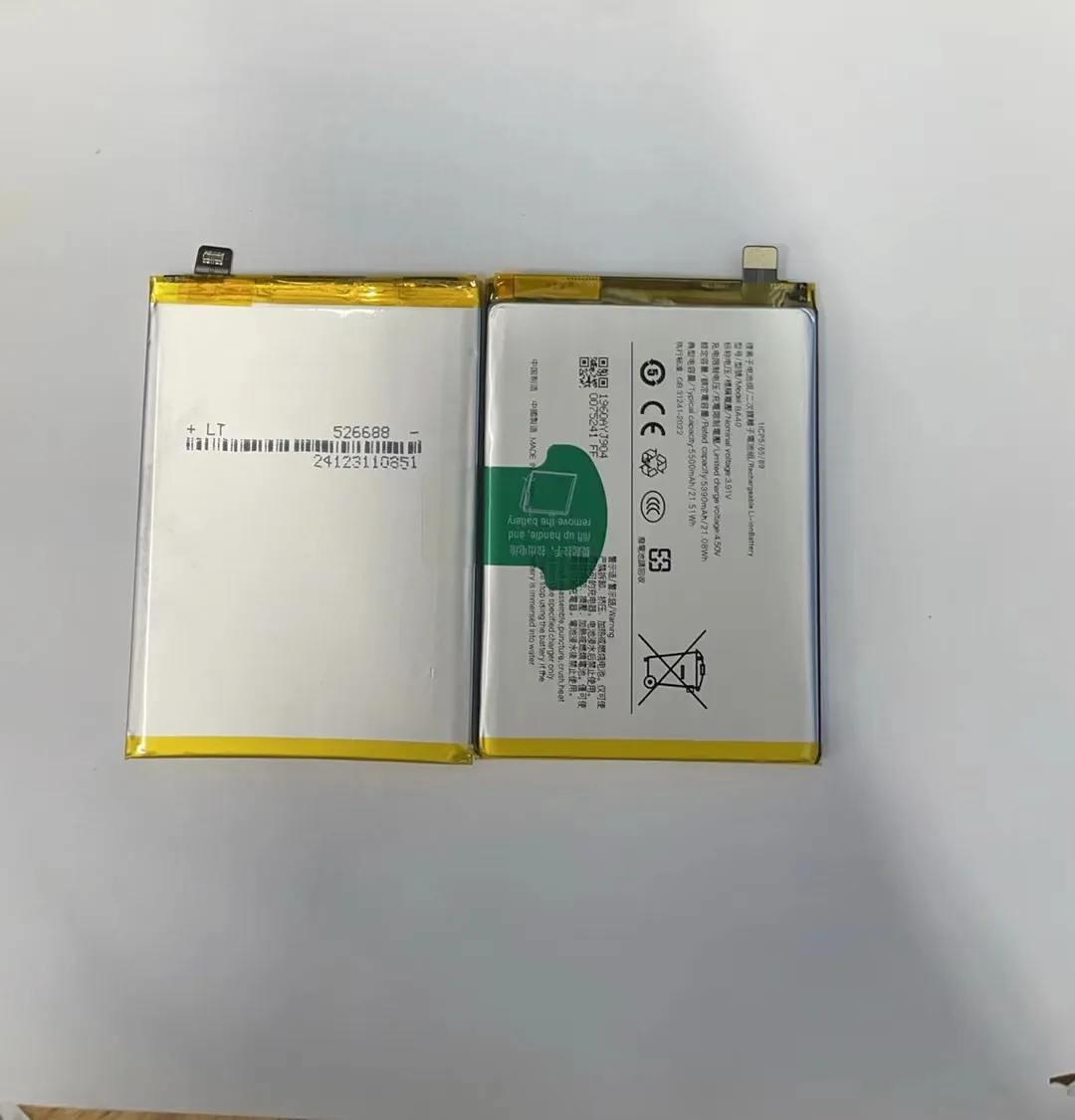
How each material works inside a cell
When I visit suppliers or audit factories, I always check the four core materials first, because they decide the quality of the battery before the assembly even starts. Many new buyers think assembly is the most important step, but raw materials build the foundation.
Cathode and anode basics
The cathode usually uses lithium cobalt oxide or other improved lithium compounds. This layer holds most of the energy, so many factories try to raise purity and keep coating uniform. The anode uses graphite because it accepts lithium ions in a stable way.
Separator importance
The separator is a thin film that keeps the two electrodes from touching. This film must resist heat and shrink very little. Many battery failures in the market come from weak separators. I check shrink rate reports to confirm reliability.
Electrolyte role
The electrolyte creates a path for ions to move. It looks like simple liquid, but small changes in its formula change charging speed, temperature stability, and cycle life. That is why I prefer suppliers that mix electrolyte in clean rooms and test every batch.
Material types in a simple table
I use this table to help my clients remember each part:
| Material | Common Type | Key Job |
|---|---|---|
| Cathode | Lithium cobalt oxide | Holds energy |
| Anode | Graphite | Accepts ions |
| Separator | Polyethylene or polypropylene film | Prevents short circuit |
| Electrolyte | Lithium salt in organic solvent | Moves ions |
Why these materials matter in real use
I want to show why these materials impact your business if you repair or refurbish phones. When cathode coating is uneven, a battery loses capacity fast. When anode particles are too large, charging becomes unstable. When the separator shrinks under heat, the cell risks internal short. When the electrolyte has impurities, cycle life drops.
I talk with many refurbish companies, and most quality issues they face start here, at the material stage. That is why a trusted supplier tests materials three times before assembly. I always explain this to my customers, because when you understand the material level, you understand battery performance.
How does assembly ensure safety?
I meet many clients who ask why some batteries stay stable while others swell or heat up. Most problems begin in assembly. I want to explain the key steps that protect safety.
Assembly ensures safety through precise coating, strict cell stacking, careful electrolyte filling, vacuum sealing, and controlled formation charging. These steps stop internal shorts and stabilize the battery’s chemical reactions.
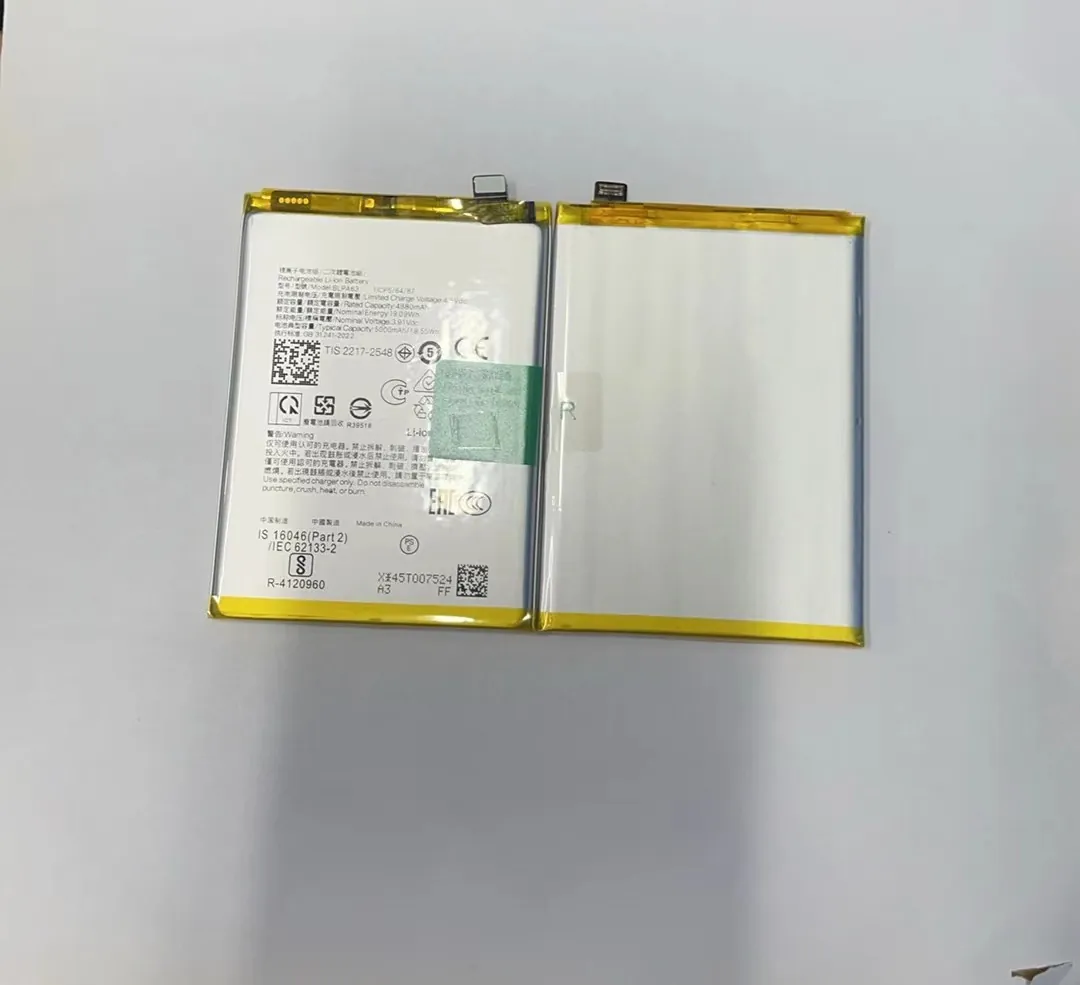
Key safety steps inside the assembly line
When I walk through a battery factory, I see dozens of machines working in a clean and organized line. Safety is the core principle in every part of this line.
Electrode coating accuracy
The coating stage decides how stable the battery will charge and discharge. If coating on the foil is too thick or too thin, the current becomes uneven. That creates hot spots. Many low-grade factories do not measure coating thickness often. I avoid them because I want stable output for long-term customers.
Cell stacking or winding
Some batteries use stacked layers, and some use rolled layers. Both methods must keep perfect alignment. If the layers shift even a little, they create pressure points. Later, when the battery charges, these points create swelling. I have seen this many times during supplier audits.
Electrolyte filling and vacuum sealing
Electrolyte filling looks simple, but the liquid must spread evenly in all layers. Factories use vacuum chambers to pull the liquid into the electrode pores. If this step is rushed, part of the cell remains dry. This causes internal heat and poor cycle life. Good suppliers measure weight before and after filling to confirm accuracy.
Formation charging and safety testing
Formation is a slow first charge that builds the SEI layer on the anode. This layer protects the battery for the rest of its life. If the factory rushes this step, the battery works at first but fails after a few weeks. Good factories use long charging curves with small current steps. They also run internal resistance tests to catch early failures.
Safety points in table form
| Stage | Purpose | Risk if Poorly Done |
|---|---|---|
| Coating | Balance current flow | Hot spots, swelling |
| Stacking | Keep layers aligned | Internal pressure |
| Filling | Spread electrolyte | Partial dry areas |
| Formation | Build SEI layer | Early failure |
Why safe assembly matters for buyers
I often help clients compare batteries from different suppliers. Many wonder why one battery costs more when they look almost the same. The answer is safety work inside assembly. The buyer pays for stability, lower return rate, and fewer customer complaints. When I explain this with samples and data, they understand why true cost includes quality.
Why is quality control critical?
Some clients believe quality control is only a final test, but I have seen many factories where QC starts from the first step and follows every batch until packing. I want to show why good QC changes the whole battery outcome.
Quality control is critical because it catches coating defects, confirms material purity, checks capacity, tests internal resistance, and verifies safety performance to prevent failure in real use.
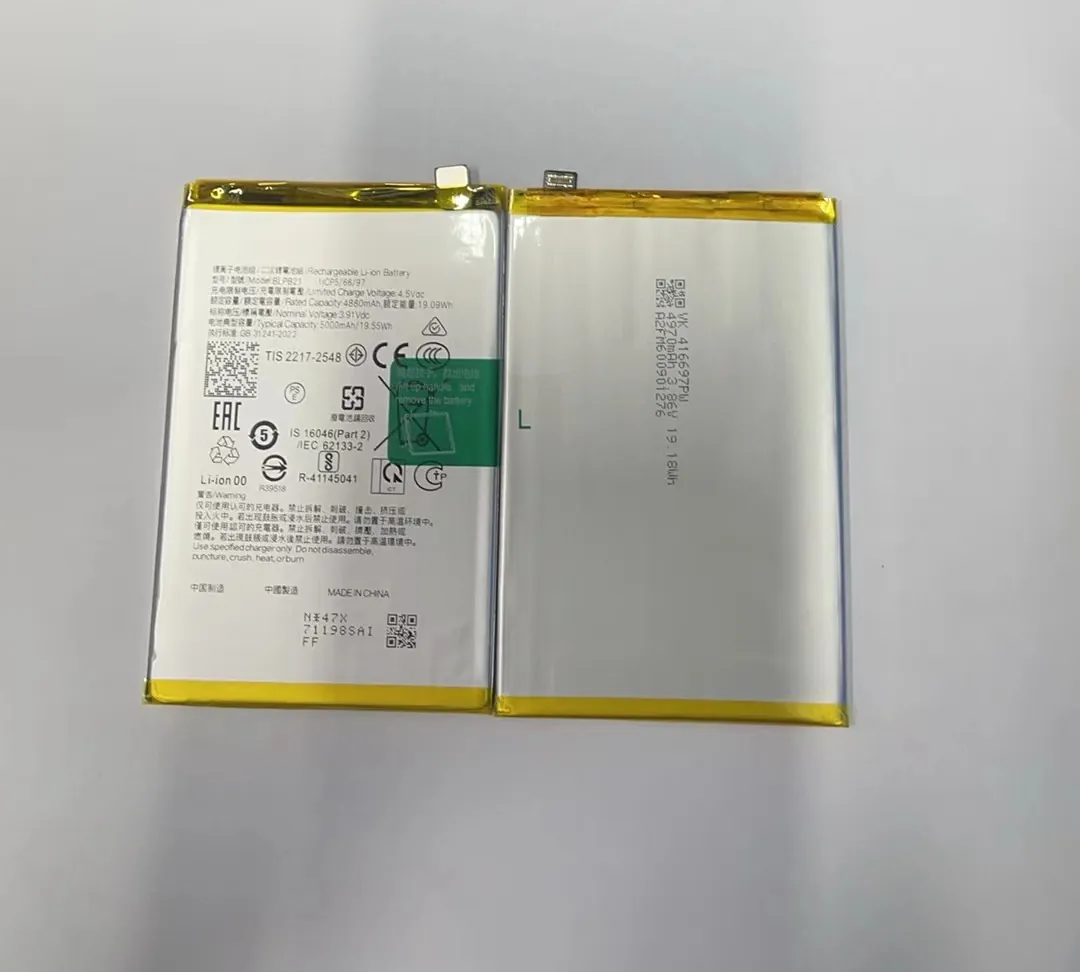
How QC works at each stage
I want to show the real routine that good factories follow. Quality control teams stand beside the production line, not only at the end.
Raw material checks
QC teams test cathode and anode powders to check moisture and particle size. I have seen cheap factories skip moisture tests, and this leads to gas inside the battery later. Moisture is a small thing, but it destroys cells fast.
Coating checks with infrared cameras
Many lines use infrared cameras to watch coating temperature and smoothness. This helps catch bubbles or missing paint. I always ask suppliers to share coating reports when I work on new models.
Cell capacity and internal resistance tests
Each cell gets tested for capacity and internal resistance after formation. Cells with high resistance usually create heat. Good factories sort cells by grade and reject unstable ones. Low-grade factories mix all cells, and this creates big quality differences between units.
Cycle tests and storage tests
Cycle tests show how long a battery can last. Storage tests show whether the battery swells when left unused. These tests protect buyers from long-term issues.
Real stories from buyers
I remember a buyer who told me he lost customers because of swelling batteries. When I looked at his supplier’s process, I found missing IR testing steps. After he switched to a factory with stricter QC, his return rate dropped sharply. This is why QC matters not only for safety but also for business trust.
Simple QC checklist
I use this H3 list to help clients check suppliers:
QC Questions to Ask Any Battery Factory
- Do you test raw materials for moisture?
- Do you share coating thickness reports?
- Do you run multiple formation cycles?
- Do you test internal resistance for every unit?
- Do you store samples for aging tests?
When buyers follow these points, they get safer and more stable batteries.
Which steps shape final battery form?
Some clients think the battery shape comes only from the outer shell, but the inner cell decides most of the final design. I want to explain how the cell becomes the final pack used inside the phone.
The final battery form comes from cell lamination or winding, pressure shaping, protective board welding, wrapping, labeling, and final packaging. Each step gives the battery its exact size and safe structure.
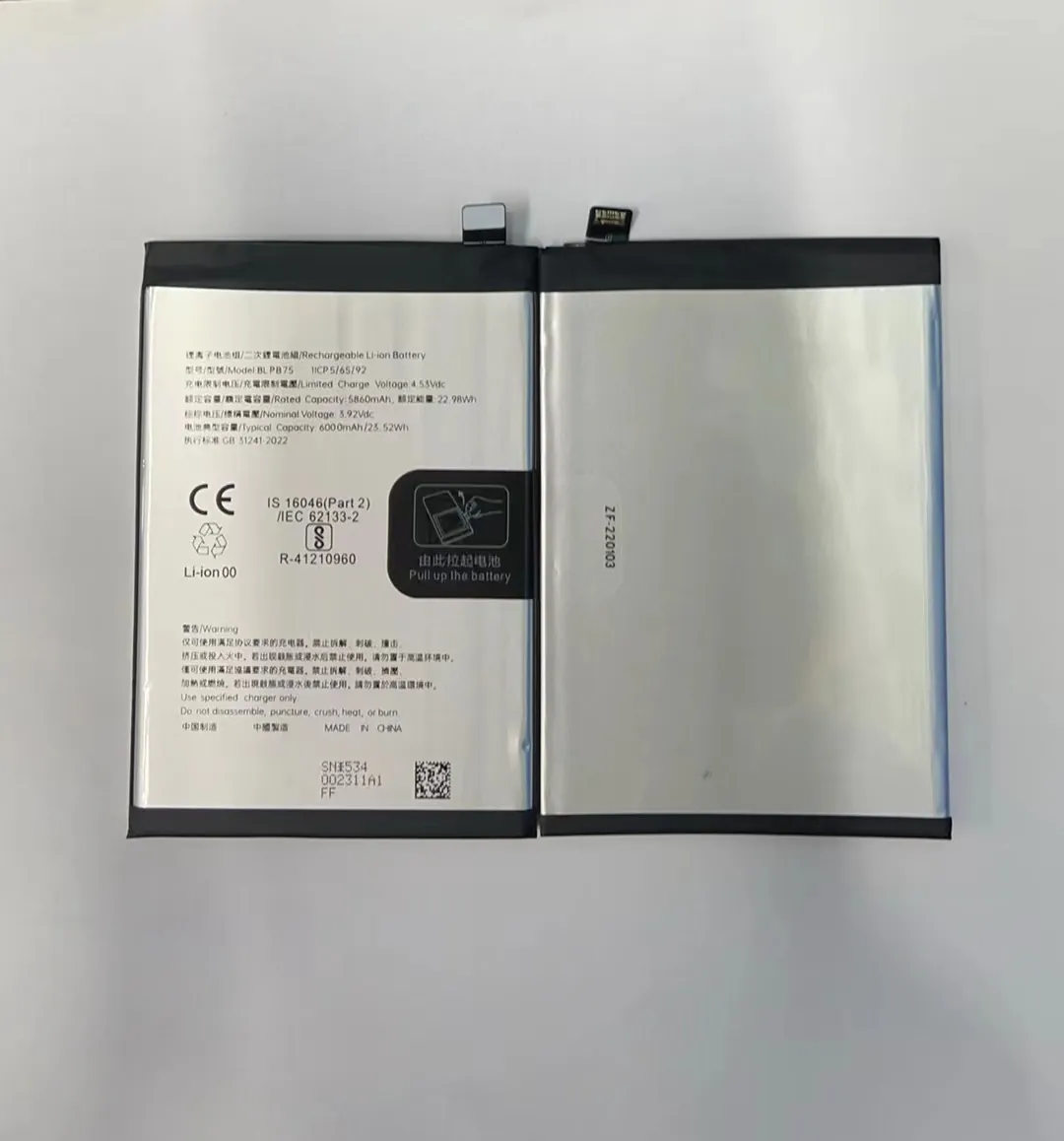
How the battery becomes its final shape
I want to guide you from the soft cell to the finished battery pack that technicians install inside phones.
Lamination or winding process
The cell starts as flat layers or long rolled layers. The shape depends on the phone size. Thin phones need laminated cells because they spread layers evenly. Wider phones may use wound cells. This choice affects the final form and thickness.
Pressure shaping in metal molds
Factories place each cell into a mold and press it to the exact size. This step removes small bubbles and sets the final thickness. A small error in pressure creates swelling later, so factories adjust pressure with sensors. I check mold reports to confirm the shape remains stable across batches.
Adding protection board (BMS)
This small board controls charging and discharging. It also protects the battery from overcurrent, overcharge, and short circuit. The board is welded to the cell tabs. If welding is weak, the battery loses connection. If welding is too strong, it heats the tabs. Good factories adjust welding temperature precisely.
Wrapping and labeling
A protective film wraps around the cell and the board. The film protects the battery from scratches and enhances insulation. After wrapping, the battery receives a label with model, voltage, and capacity. I always ask for clear and durable labels because clients need easy identification during repairs.
Final packaging
The last step is packing with foam or anti-static materials. This protects the battery during transport. Good packaging reduces damage during long shipping routes.
Why the final shape matters for installers
Repair companies know how important size accuracy is. Even 0.1 mm difference makes installation hard. Good factories check size many times. This protects technicians from broken screens caused by swollen or oversized batteries. I always remind buyers to confirm size tolerance before placing large orders.
Conclusion
Mobile phone batteries look simple, but each layer and each step shapes performance and safety. When you understand materials, assembly, QC, and final shaping, you can choose better suppliers and protect your business from unstable products.
