
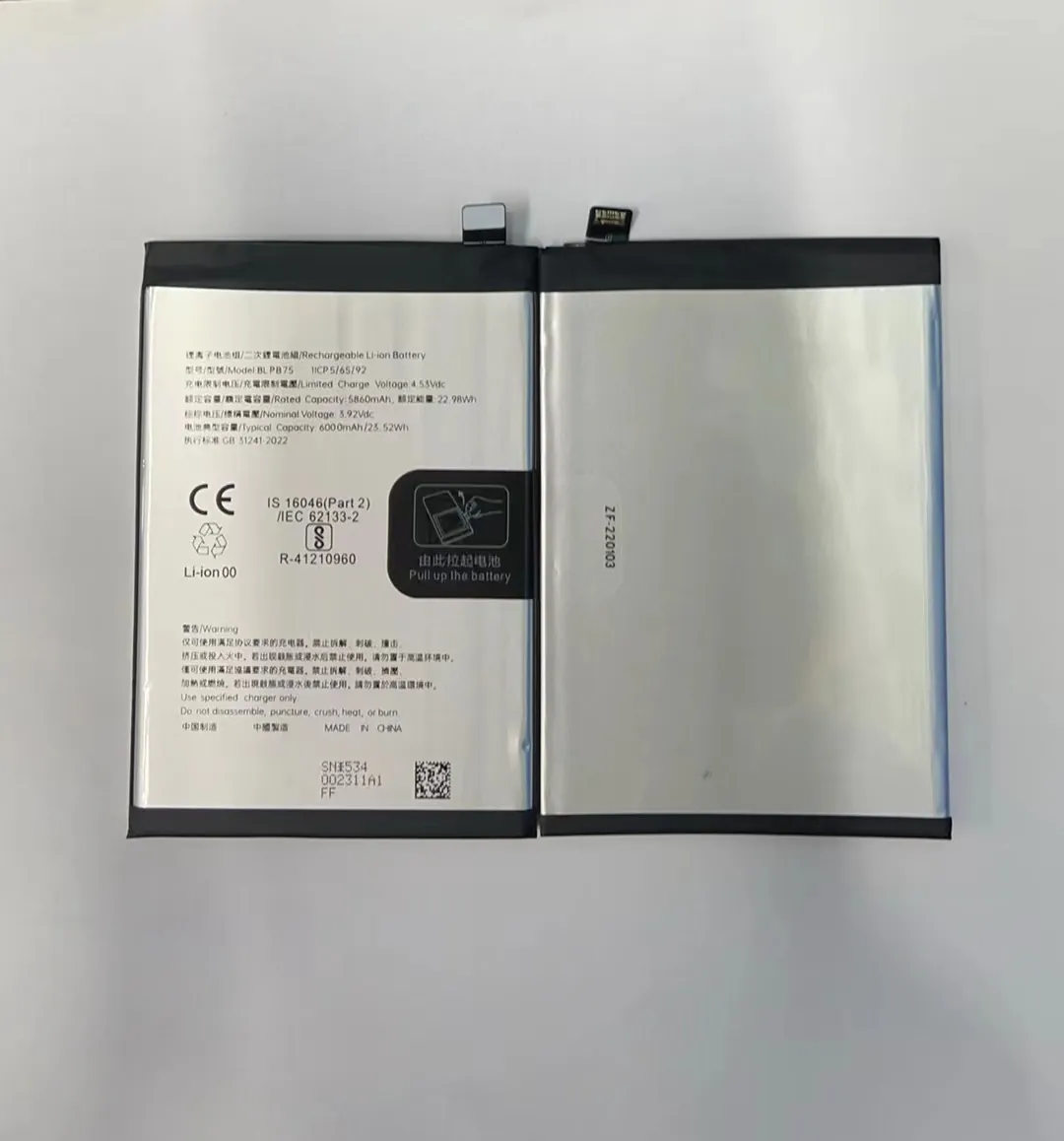
Our phones die fast. Then we check battery prices and get confused. Prices vary a lot. That feels unfair.
It depends — a typical mobile phone battery can cost from about $10 up to $80 or more. The final price depends on battery type, capacity, brand, quality, origin, and sometimes packaging.
But price is not all. Picking the right battery means thinking about safety, quality, and compatibility. Keep reading.
What factors affect phone battery prices?
Phones seem similar. But the batteries inside can be wildly different.
Several factors shape the price of a phone battery: battery chemistry, brand or origin, quality control, packaging, and included accessories or warranty.

Dive deeper: Why do batteries cost different amounts?
Many things influence how much a battery costs. Some of them seem hidden.
Battery chemistry and materials
Inside a battery there are materials like lithium, metal foil, casing, protection circuits. Using better materials raises cost. Low‑cost batteries may cut corners on materials or safety circuits. That lowers cost but can risk performance or safety.
Brand or origin
If a battery comes from a well-known brand or original equipment manufacturer (OEM), it usually costs more. That is because of brand trust, quality control, and licensing. Batteries from unknown or generic makers cost less. But they may skip strict tests or use cheaper parts.
Quality control and testing
Good batteries are tested for capacity, cycles, safety under heat or overcharge. Testing adds labor and time. That raises cost. Cheap batteries may skip these tests. So they cost less but risk early failure or hazards.
Packaging, warranty, and extras
Sometimes price includes a box, manual, safety stickers, warranty, maybe adhesive strips for installation. Those extras add cost. Batteries sold in plain bags or bulk cost less per unit.
Market demand and supply chain
If a battery is for a rare phone model, fewer units are made. Low volume means higher cost per battery. If many phones use the same battery, mass production lowers cost per unit. Also, importing batteries across borders adds shipping and customs costs. That affects final price.
Here is a simple table summarizing main factors:
| Factor | Effect on Price | Typical Cost Impact |
|---|---|---|
| Battery chemistry | Li‑ion vs low‑quality cells | Low‑quality cheaper by ~30‑50% |
| Brand / origin | OEM / big brand vs generic | Generic often 20‑40% cheaper |
| Quality testing | Tested vs untested | Tested costs more due to labor |
| Packaging & extras | Box, warranty, tools included | Adds few dollars per unit |
| Production volume | High volume vs small batch | Small batch costs more |
Because of all these factors, two batteries that look same may cost very different amounts.
If you buy for a phone repair shop or bulk use, it is not only about lowest price. Good materials and tests matter. A low-cost battery that dies fast or causes issues will cost more in the long run.
How does battery capacity influence the cost?
More capacity sounds better — but that often means higher cost.
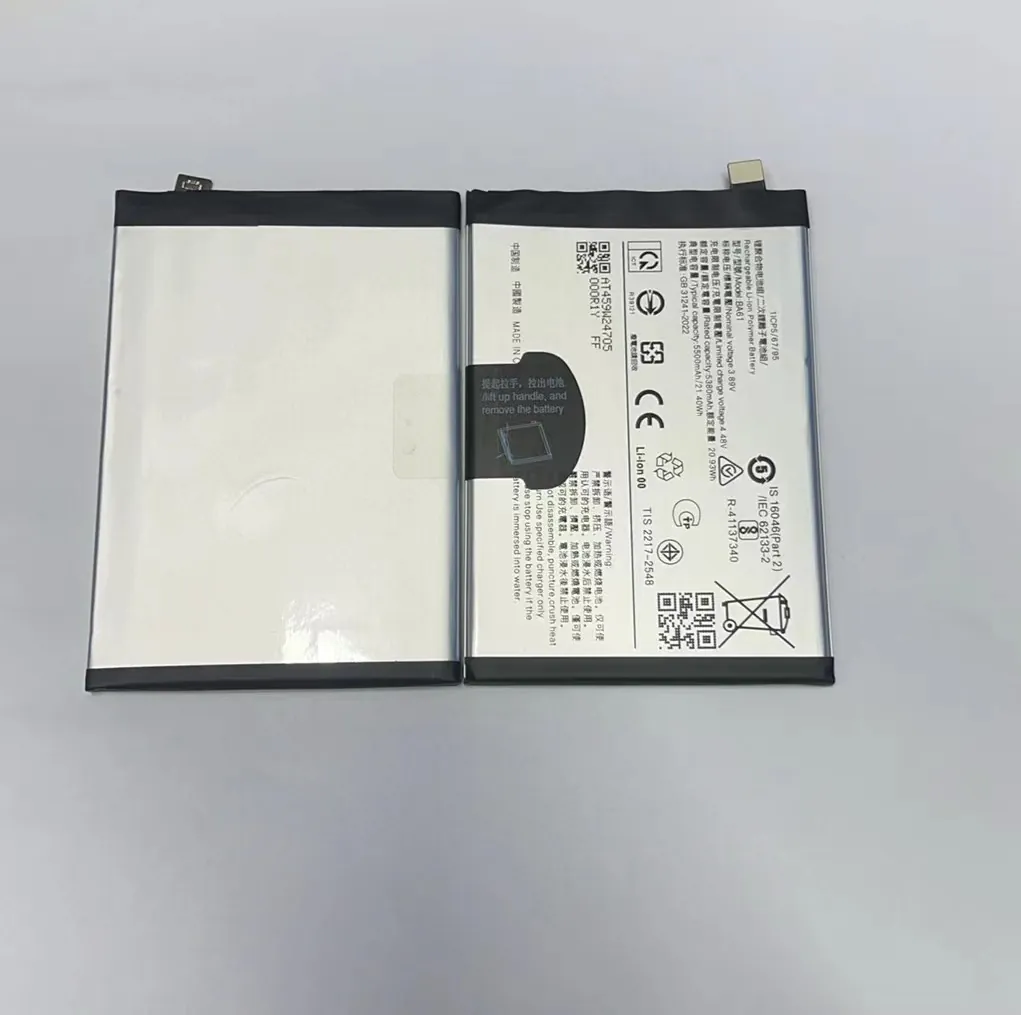
Batteries with bigger capacity (mAh) need more material and better cells, so they typically cost more than lower‑capacity versions.
Dive deeper: Capacity, cost, and trade‑offs
Battery capacity (usually measured in milliampere-hours, mAh) tells how much energy the battery can store. A bigger number means longer run time. But higher capacity affects cost.
First, bigger capacity means more active material. The battery needs more lithium‑ion cells or larger cells. That raises the raw material cost. Also, because these cells store more energy, the battery must be built stronger. It needs better casing, welding, safety circuits, and better heat resistance. That adds manufacturing cost.
Second, high‑capacity batteries often need more careful quality control. High energy storage means higher risk if something fails. This makes manufacturers run extra tests for safety. These tests cost money. That cost reflects in the final price.
Third, some phones can only take a certain size battery. If someone tries to install a higher‑capacity battery in a phone not designed for it, there could be fit issues or overheating because of limited space. So a premium high‑capacity battery often includes physical design adjustments or insulation to fit properly. That adds cost.
Here is a table showing rough relation between capacity and cost:
| Capacity level | Raw material amount | Typical price difference (vs base) |
|---|---|---|
| Standard (e.g. 2500‑3000 mAh) | baseline material | base price |
| Mid‑capacity (3500‑4000 mAh) | + 20‑30% material | + $5‑$10 |
| High‑capacity (4500 mAh +) | + 40‑60% material, upgraded safety | + $10‑$20 or more |
From above you see that a higher‑capacity battery will cost more. The increase depends on how much extra material and safety care is needed.
But capacity is not everything. A mid‑capacity battery with good quality cells may perform better and last longer than a poorly made high‑capacity one. Buyers must balance capacity, quality, and cost.
Finally, for some older phones, a higher‑capacity battery may not deliver full benefit because the phone’s hardware and charging circuit limit performance. In that case paying more only gains small runtime improvement.
Thus capacity affects cost significantly. But it should not be the only factor when you choose a battery.
Are aftermarket phone batteries cheaper than OEM?
Aftermarket batteries often cost less than official ones. But you should examine trade‑offs carefully.
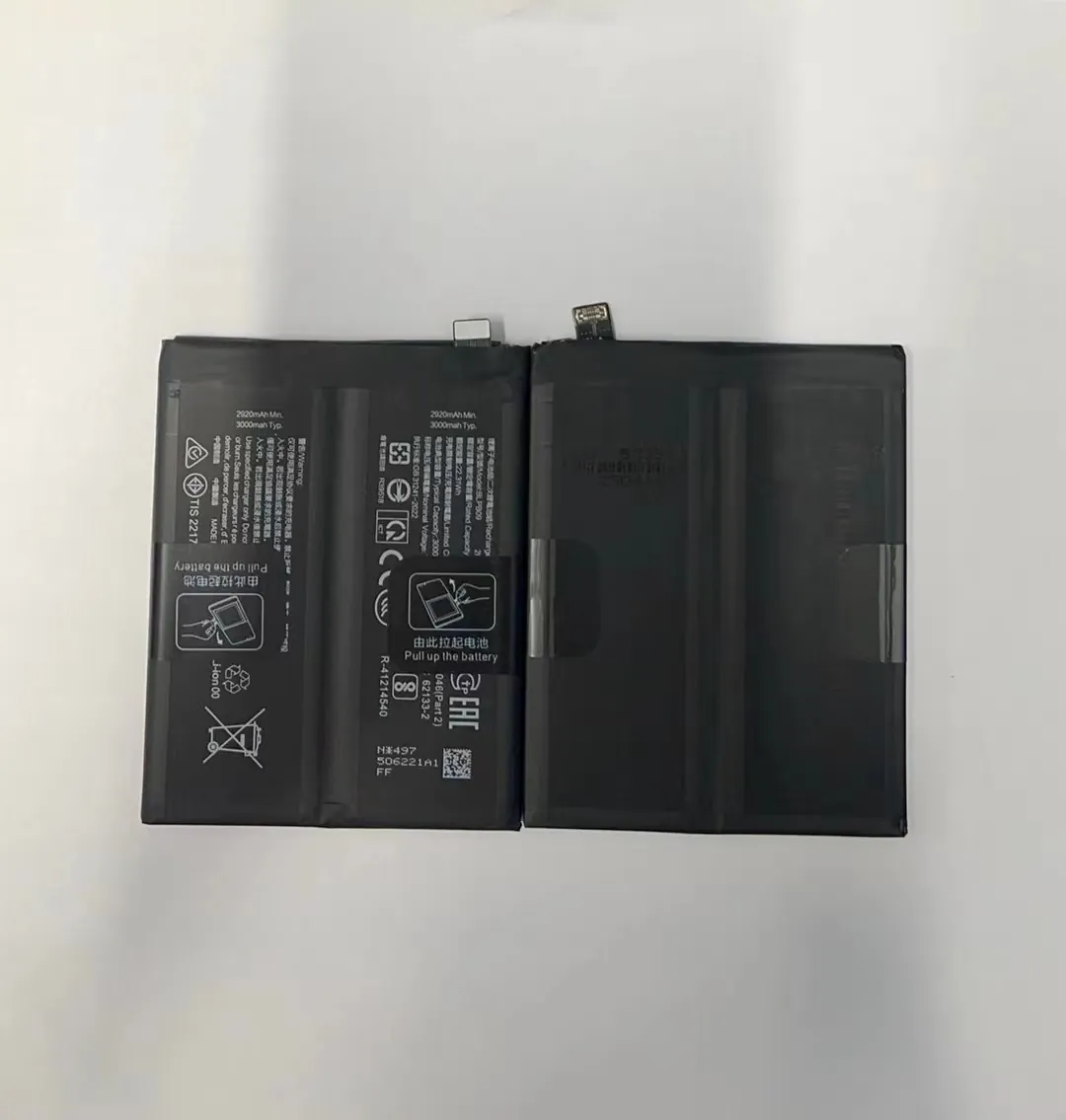
Aftermarket batteries usually cost 20–50% less than OEM batteries because they use generic parts and skip brand licensing costs.
Dive deeper: Pros and cons of aftermarket vs OEM batteries
People often choose aftermarket batteries because they cost less. That is true. Aftermarket makers do not pay for brand licensing, big advertisement, or official packaging. They often use cheaper raw materials or simpler quality control. This lowers cost.
What you get with OEM batteries
- Original parts or licensed co-made parts.
- Formal quality control and safety testing.
- Better chances for correct fit, compatibility, and long-term performance.
- Official packaging, warranty, and sometimes better customer support.
Because of that, OEM batteries often cost more.
What you get with aftermarket batteries
- Lower price.
- Wider availability, especially for older or rare phone models.
- Flexibility in packaging and sometimes custom features (like higher capacity).
But there are risks: unknown quality, no guarantee, higher chance of battery damage, shorter life, or even safety problems.
Here is a comparison:
| Battery type | Price | Pros | Cons |
|---|---|---|---|
| OEM | High | Reliable, tested, good fit | High cost, maybe hard to get for old phones |
| Aftermarket | Low−Medium | Cheap, easy to find, sometimes high capacity | Quality uncertain, possible shorter life, fit or safety issues |
If you fix phones professionally, OEM batteries give stable results. That reduces returns or complaints. That matters a lot.
If you are cost‑sensitive and work with older phones, aftermarket may help. But you should pick vendors who show test data and offer warranty. Don’t pick purely on lowest price only.
In short, aftermarket batteries are cheaper. But cheaper does not always mean better value in long run.
Should you consider refurbished batteries to save cost?
Refurbished batteries seem like a bargain. But they have important downsides.
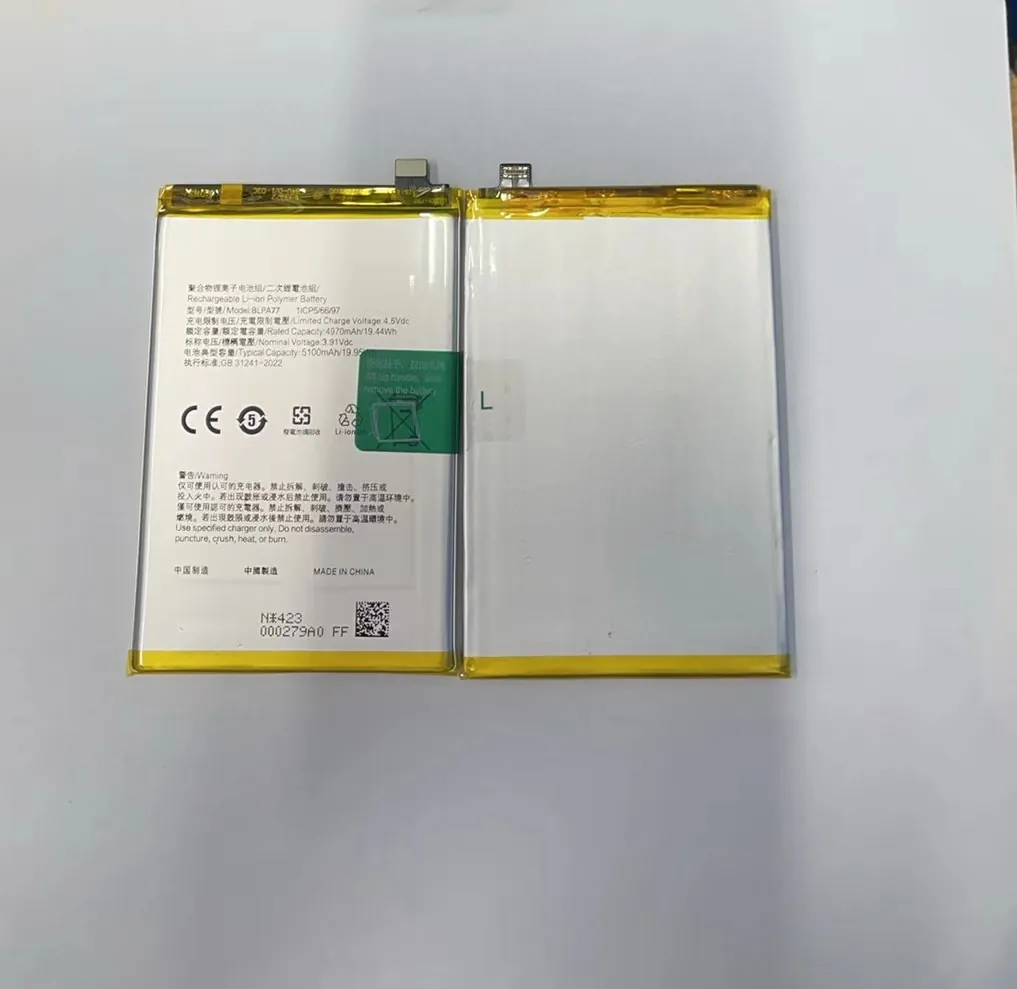
Refurbished batteries can cost 30–60% less than new ones but often bring lower performance, shorter life span, and higher risk—so they carry more hidden costs.
Dive deeper: Risks and trade‑offs of refurbished batteries
Refurbished batteries are used batteries that have been restored or repackaged for resale. They may come from old phones or returned units. The low price looks good. But there are many risks.
What refurbished batteries offer
- Low upfront price.
- Good for temporary or low‑cost repairs.
- May extend life of a phone enough to use it for a while.
Problems with refurbished batteries
-
Unknown history and wear
The battery may have undergone many charge cycles. Aging may have reduced capacity significantly. Often sellers cannot guarantee how the battery was used or stored. -
Lower remaining capacity
Even if advertised capacity looks good, actual capacity may be much lower. That means phone runs shorter time. -
Shorter life span
A used battery already lost some cycles. Its remaining life may be low. You may soon need a replacement again. -
Safety risks
Age, wear, or previous damage may increase risk of swelling, overheating, or failure. Especially if protection circuits wear out. -
Inconsistent performance
Some refurbished batteries may seem fine at first. After some weeks they may fail or degrade quickly.
Here is a rough comparison:
| Battery type | Typical cost | Typical performance after install | Risk level |
|---|---|---|---|
| New (OEM / Aftermarket) | base price to + cost | Full capacity, expected life cycles | Low (if from good vendor) |
| Refurbished | ~30–60% less | Lower capacity, shorter life, variable | Medium to high |
If you run a repair shop or wholesale, refurbished batteries may hurt reputation. A phone that fails soon after repair leads to unhappy customers. Returns and support take time. That might cost more in overall labor and shipping.
Refurbished batteries may work for quick temporary fixes or small projects. But for reliable repair business you should think twice. The lower price may cost more later.
Also some laws or customer expectations forbid recycled batteries in resale phones. That makes refurbished option less attractive for resale models.
In short: refurbished batteries are cheaper. But they bring risks and uncertainty.
Conclusion
Battery cost varies a lot. It depends on materials, capacity, brand, and quality. Aftermarket batteries cost less but have trade‑offs. Refurbished ones are cheap but risky. Choose based on long‑term value, not just price.
