
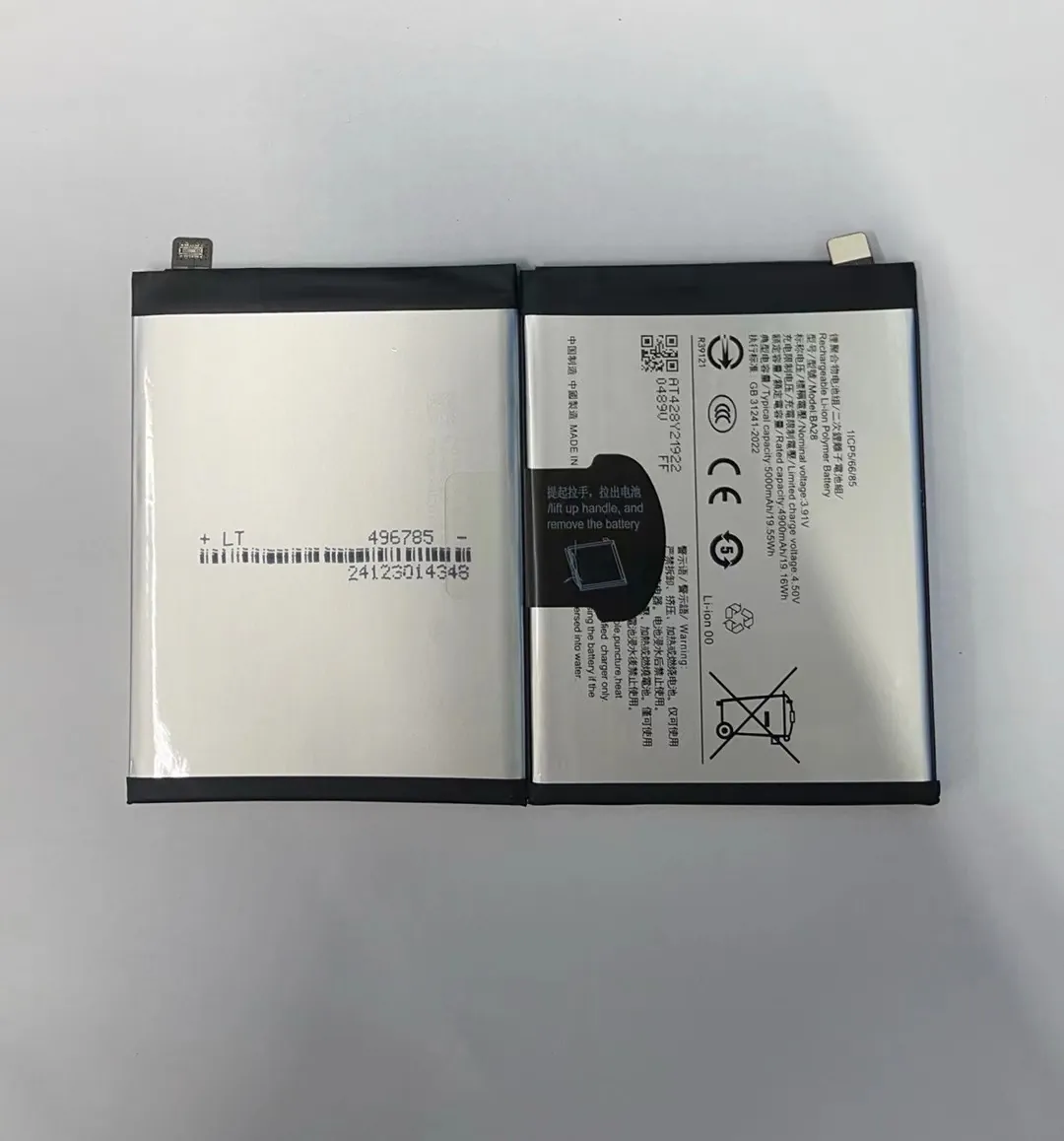
I know many people feel confused when they replace a T-Mobile phone battery, because the prices look random and hard to guess.
T-Mobile phone batteries cost different amounts because each model, brand, seller, and spec level pushes the price up or down. Most batteries fall into a clear price range, and the main factors stay the same across the market.
I want to show how these price factors work, so you can see what creates real value and what only adds noise.
What affects T-Mobile battery pricing?
Many buyers feel stressed when they see different prices for the same model, because they do not know which price is fair.
T-Mobile battery prices change because of model age, supply, demand, shipping, and quality control. These elements shape the final number you pay.
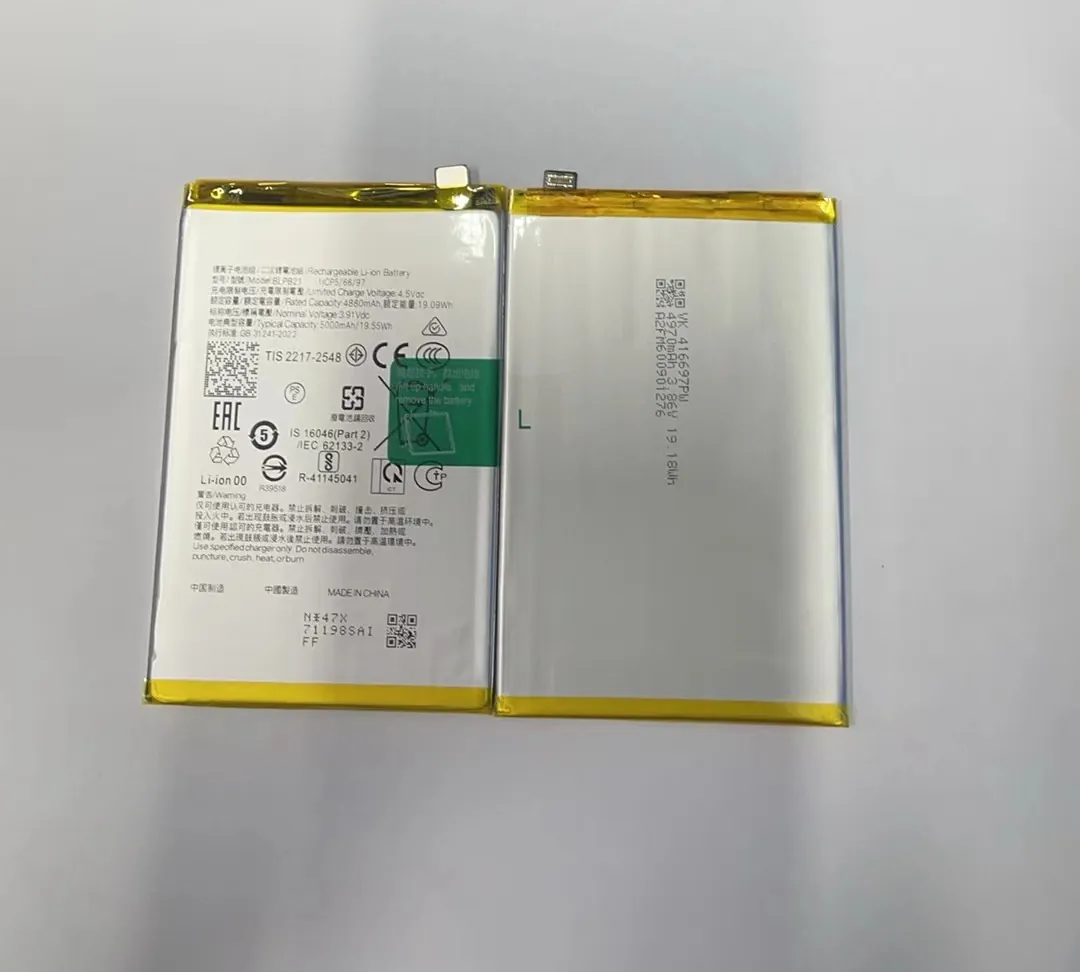
When I talk about T-Mobile battery pricing with clients, I notice that many feel stuck because they see too many choices. I want to break down the main parts, so every buyer can see the simple logic behind the costs.
Model age and replacement cycles
Older models often cost less, because factories clear stock and shift focus to newer models. New models cost more because the supply chain still runs at full speed, and parts are not widely available. I see this pattern year after year, and it stays stable across brands. Some phones also use rare battery shapes, and this raises the price. The factory needs more time to produce these shapes, so the unit price goes up.
Supply and demand factors
When a T-Mobile model becomes popular in repair shops, the battery price may rise. This happens because demand rises faster than supply. I see this most often with phones that have known battery issues. When a model needs many replacements, sellers raise prices to match the rush.
Quality-control levels
Different QC levels also push prices in different directions. A battery with full testing always costs more than a battery with no testing. Testing helps shops avoid returns, so many buyers pay more for stable QC. I see many clients choose tested batteries because they want fewer problems later.
Shipping and stock handling
Shipping also changes prices, because lithium batteries need special handling. This adds small costs that sellers build into the price. Stock levels matter as well. If a seller holds high stock, prices may drop. If stock is low, prices may rise.
Table: Main pricing factors
| Factor | How It Affects Price |
|---|---|
| Model age | Older = lower price; newer = higher |
| QC level | More testing = higher price |
| Shape/size | Rare shapes = higher cost |
| Stock level | Low stock = higher price |
| Demand | High demand = higher price |
How do brands change battery costs?
Many buyers feel lost when they compare batteries from different brands, because the price gap looks too big.
Different battery brands use different cells, testing levels, and warranty terms, so prices can change a lot between brand types.
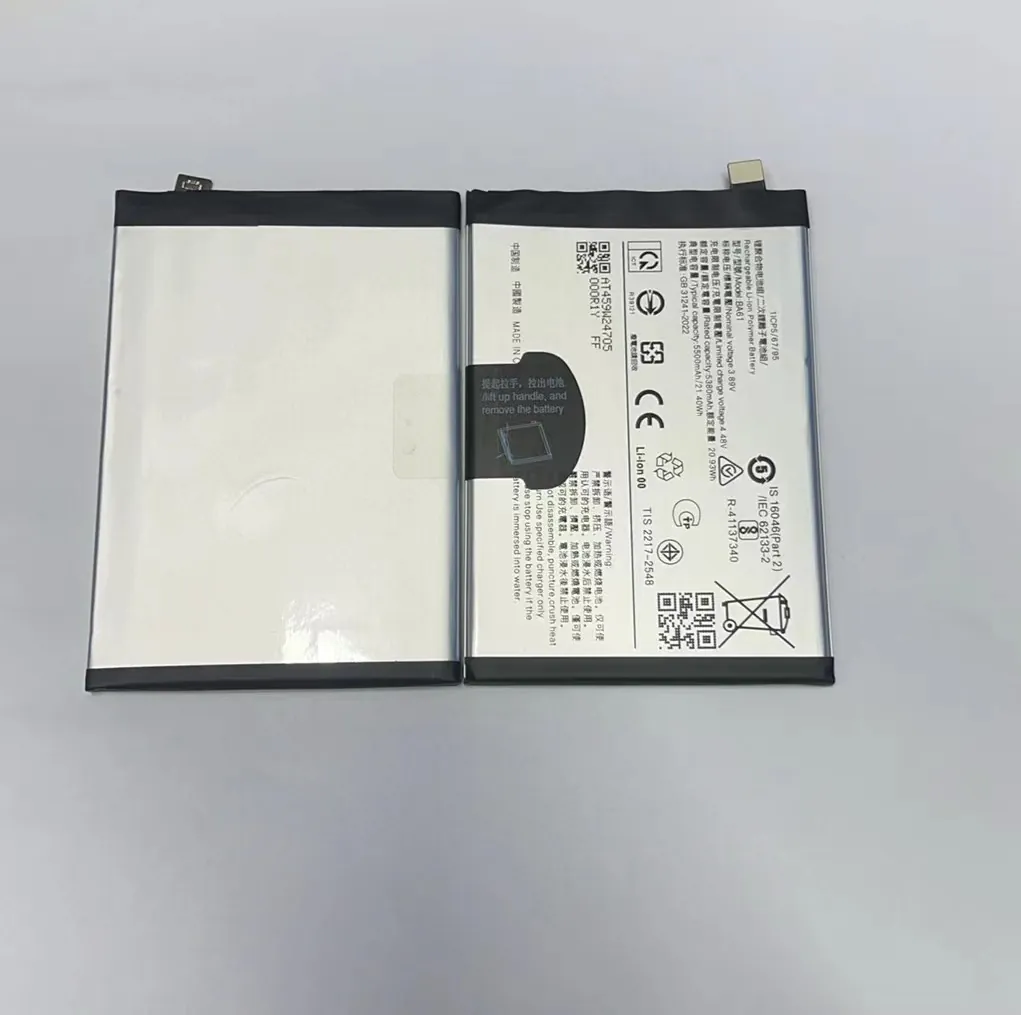
I talk with buyers every week, and they always ask why one brand costs double the price of another. I explain that brand value comes from build level and long-term trust, not only from the name printed on the pack.
Premium brands vs. standard brands
Premium brands use higher-grade lithium cells. These cells hold charge longer and stay stable under heat. Some also add stronger protection boards. These parts push the cost up. Standard brands use basic cells. They work fine, but they may not last as long. Many buyers choose premium brands for top customers and choose standard brands for lower-budget clients.
Build consistency and failure rate
Brand cost also comes from failure rate. A brand with low failure rate often charges more. This makes sense, because they test more units, and they reject bad units before shipping. I see this often when I work with repair shops. They spend more money on stable brands because they want fewer returns from customers.
Warranty terms
Some brands offer long warranty times. This adds cost. Warranty means risk for the seller, and the seller builds this risk into the price. A brand with one-year warranty often costs more than a brand with two-month warranty.
Market reputation
Reputation also matters. When a brand becomes popular in repair shops, its price may rise. Many shops pay more because they trust the brand, and they want to avoid hidden issues.
Table: Brand-level cost differences
| Brand Type | Price Range | Key Features |
|---|---|---|
| Premium | High | Strong cells, long life, long warranty |
| Mid-range | Medium | Balanced build and cost |
| Standard | Low | Basic cells, short warranty |
Why do specs influence battery prices?
Many buyers see spec numbers, but they do not know how these numbers change the price.
Battery specs change prices because higher capacity, newer cell types, and stronger safety boards cost more to produce. Specs reflect material cost and build complexity.

I often explain specs to buyers who want to compare two batteries that look the same. The difference sits inside the pack. I want to show how each spec level changes the final number.
Capacity levels
Higher mAh capacity can raise the cost. This happens because high-capacity cells use more material. They also need stronger protection boards to avoid heat during charging. Many buyers choose higher capacity because they want longer use time. Some sellers also label capacity incorrectly. This creates price confusion, so I always tell buyers to check real capacity with clear testing tools.
Cell type and grade
There are different cell grades in the market. Grade A costs more. Grade B costs less. Grade A cells stay stable under stress, and they hold charge longer. Grade B cells may drain faster. Many shops choose Grade A for premium jobs, because it reduces customer complaints. Newer cell types also cost more. Some use better chemistry that holds power longer.
Charging speed and safety chips
Some batteries support fast charging. These need better safety chips. This adds cost. The safety chip tracks temperature and current to avoid damage. Many shops pick better chips because they want safe performance.
Build structure and thickness
Some phones use thin battery packs. These need special materials. Thin packs cost more to build. The factory needs precise machines to make thin layers. This pushes price up.
Extra testing specs
Some batteries include cycle testing. This means the factory charges and discharges the battery many times to test long-term stability. This adds cost but gives strong results in the field.
Which sellers offer the best battery deals?
Many buyers feel unsure when they choose a seller, because the market has many sources and the quality level jumps around.
The best deals come from sellers who offer tested batteries, clear QC, steady stock, and fair shipping terms. These sellers give better long-term value, not only low prices.
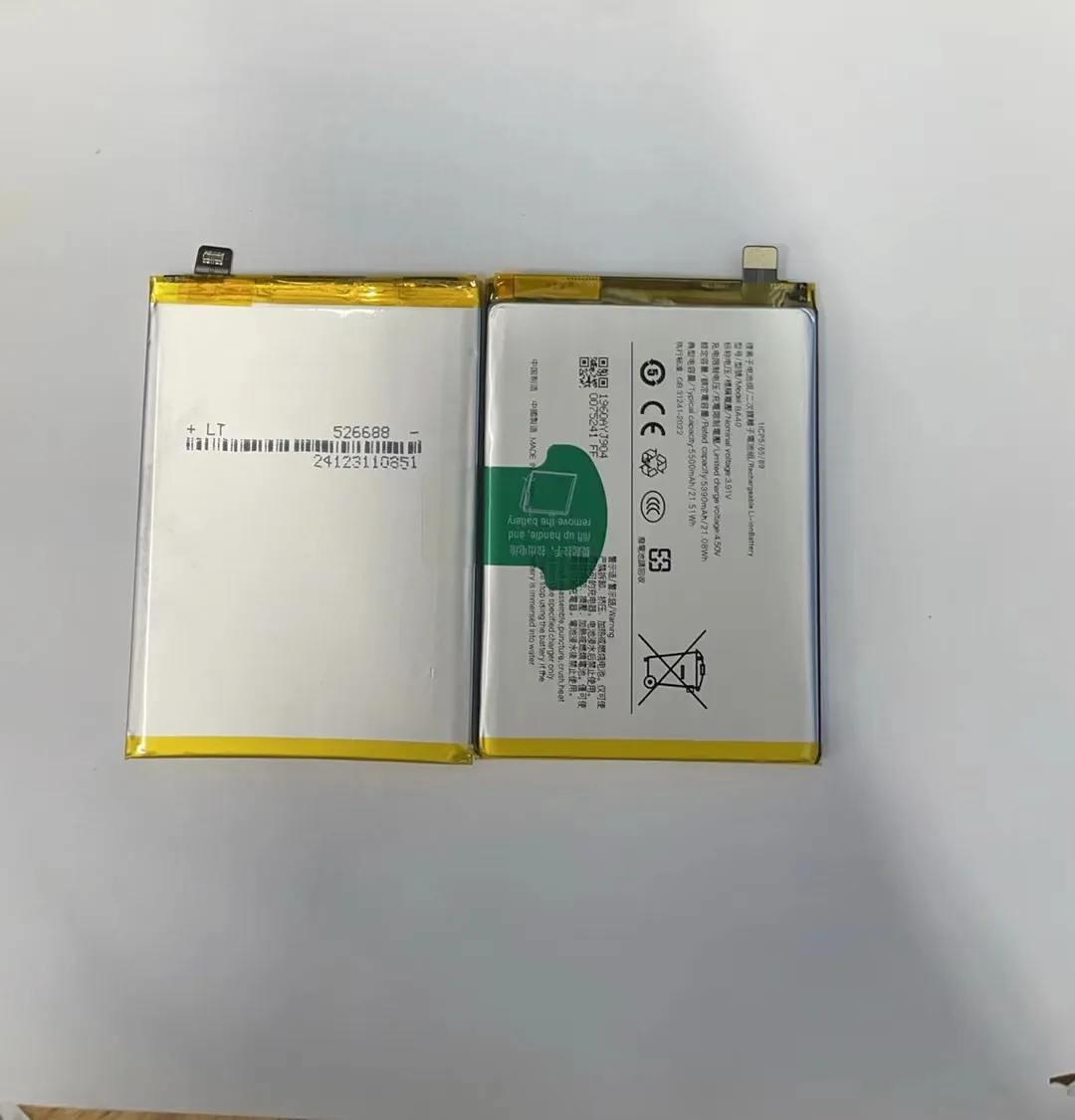
When I work with buyers, I see a common pattern. Many look for the lowest price first. Later, they face returns, delays, or bad feedback from customers. I want to show why the best deal is not always the lowest number on the screen.
Seller type and consistency
A stable seller keeps stock and handles orders fast. These sellers may not offer the lowest price, but they save time and reduce risk. A random seller may offer a very low number, but you may face delays or receive poor batteries. I see many buyers move back to stable sellers after a few bad experiences.
Testing and QC from the seller
A good seller includes full tests. This lowers the failure rate. Shops that use tested batteries see fewer returns. Many serious sellers test each battery before packing. This takes time, so the price goes up a bit, but the value is strong.
Return policy and support
A good seller offers clear after-sales support. This increases trust. Some sellers respond slow, and this wastes time for buyers. Fast response helps repair shops plan their work.
Custom packaging and bulk deals
Some sellers offer custom packs for bulk buyers. This may raise the upfront price but lowers long-term cost. It helps shops build their own brand and offer a clean customer experience.
Shipping speed and warehouse location
Some sellers hold stock near shipping hubs. This shortens shipping time. Fast shipping saves repair time for shops. Slow shipping creates stress. Many shops prefer sellers with stable routes.
Conclusion
T-Mobile battery prices change with model age, brand level, specs, and seller quality. When you understand each factor, you can choose the right product fast and avoid waste.
