
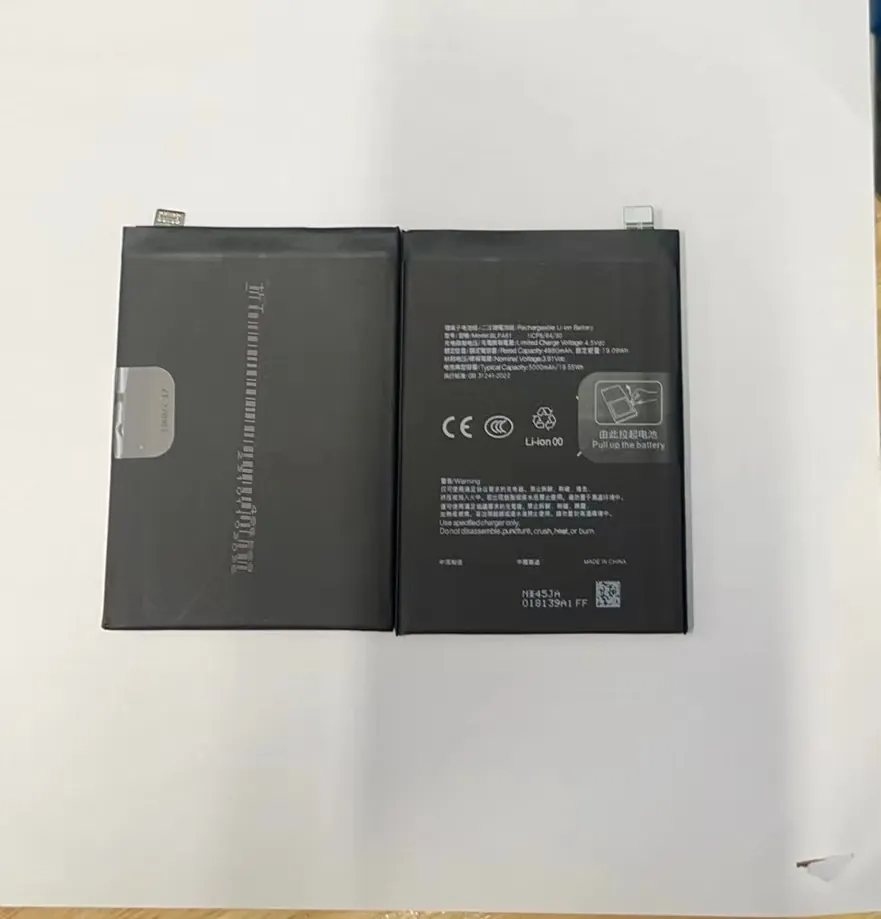
I often see people ask how much a replacement phone battery costs at T‑Mobile. They worry about surprise fees. They want clear numbers fast.
Generally, a replacement battery for a phone on T‑Mobile costs between $30 and $100, depending on phone model and whether you pay labor.
If you are curious what affects that cost, read on below. I break down the factors clearly and show how to save money on battery replacement.
I will show you where prices come from. Then I explain why some phones cost more. I also show how to cut down the price when you replace battery for a T‑Mobile phone.
What affects replacement battery cost?
I get many calls about phone battery cost surprises. That can feel annoying.
Battery replacement cost depends on battery type, phone model age, warranty status, labor fees, and where you get the battery.
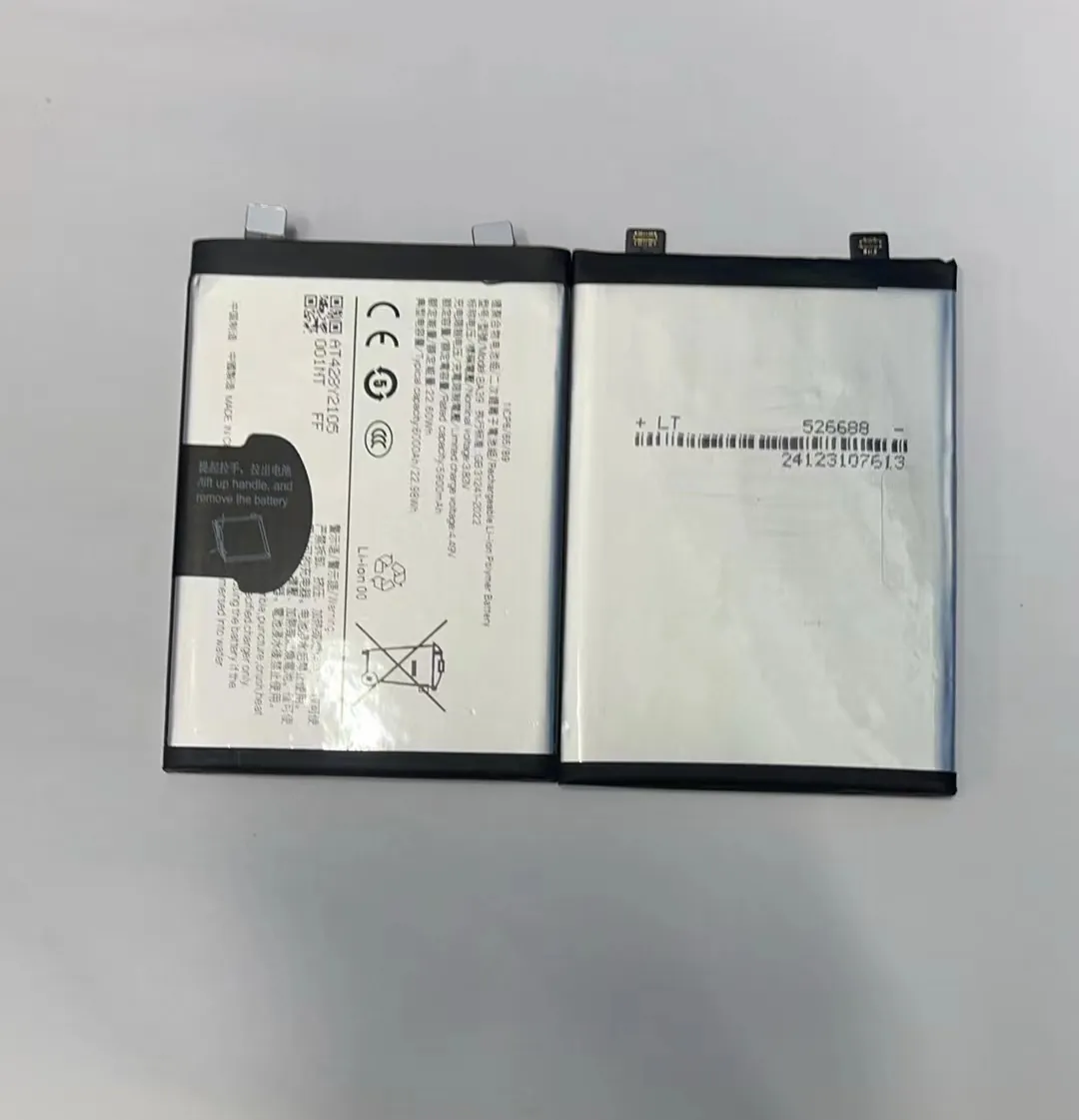
When I think of cost, I consider five main factors. First is battery type. Old or cheap batteries cost less than high‑end lithium‑ion batteries. If your phone uses a larger capacity battery, price goes up.
Second, phone age and model matters. Newer or flagship phones often have batteries that are harder to get. That raises the cost. If the phone is common and older, replacement parts are easier and cheaper.
Third, warranty or protection plan affects cost. If your phone is under a plan or insurance, battery replacement might be discounted. If out of warranty, you pay full price. That changes total a lot.
Fourth, there is labor cost. If you take the battery to a shop or store, you pay for the time to open and fix the phone. Some phones are easy to open, so labor is low. Others need more careful work, so labor adds up.
Fifth, source of battery plays a role. If you buy an original equipment manufacturer (OEM) battery, price is higher. If you use a cheaper third‑party battery or refurb part, cost is lower—but that may affect quality or lifetime.
Also regional differences matter. A shop in a big city may charge more labor than a shop in a small town. If the shop offers warranty or testing, that adds value but also may raise the price.
I once helped a friend replace a battery for an older phone. The cheap third‑party battery was $25, labor was $20. Total was $45. Then I replaced another phone (new model) at an official shop — battery was $80, labor was $30. Total $110. The difference came from battery quality and labor time.
That shows these factors add up. If a phone needs a special battery or careful work, you pay more. If phone is common and battery simple, cost is lower.
How do models vary in pricing?
Many phones cost more to repair than others. I know that from my work.
Different phone models change battery price widely—basic phones cost less, flagship phones cost more.
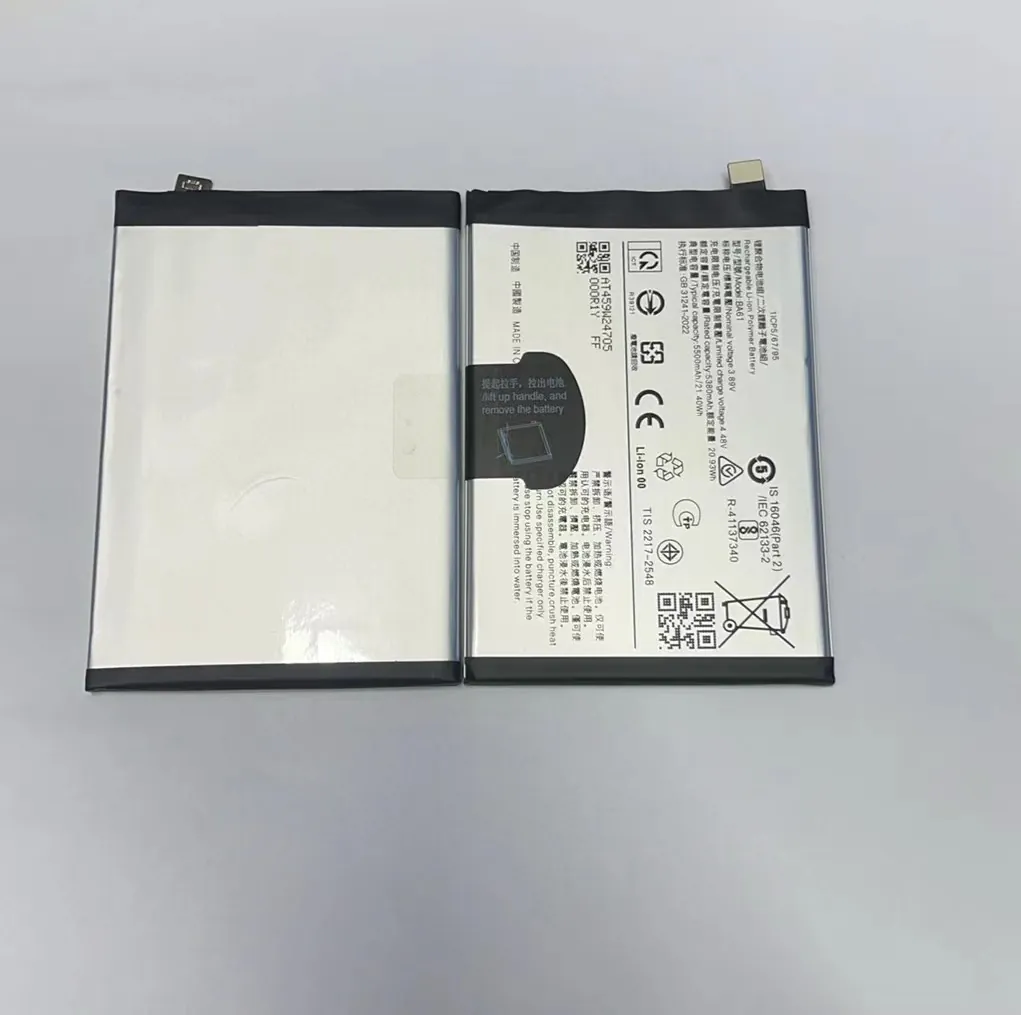
Here is a simple table of example phones and typical battery replacement cost (parts only).
| Phone Model (example) | Battery Capacity / Age | Typical Battery Price (USD) |
|---|---|---|
| Basic or older model phone | ~2000–2500 mAh, common size | $25 – $40 |
| Mid-range smartphone (~2018) | ~3000 mAh, moderate demand | $35 – $55 |
| Recent mid-range phone | ~3500 mAh, less common battery | $45 – $65 |
| Flagship phone (last 2 years) | ~4000 mAh+, newer battery type | $60 – $90 |
| Large phone, high-end model | ~4500–5000 mAh, rare battery | $80 – $110 |
This table shows a pattern. Phones with bigger or newer batteries cost more. Also rare models raise the cost because supply is limited.
Flagship or large phones often have batteries tightly integrated. That means battery parts are newer and cost more. Also shops may stock fewer of them. Postage or import cost may add to price.
Older or common phones often use generic battery sizes. Many shops can buy in bulk. That lowers cost.
Another factor is how easy the battery is to replace. Some old phones have removable backs — you just pop the battery out. Then you can buy a cheap battery and install it yourself. That saves labor. Then cost stays low.
Newer phones often use glued backs, screws, or special seals. That means labor cost is higher, and shops often charge more. For these phones, even parts-only cost is higher.
In practice I see that many people pay around $50–$70 for a mid-range phone battery replace. For high‑end phones, total cost (battery + labor) can go over $100.
The variation stems from battery size, phone design, and parts availability. That explains why two phones look similar but cost differently to fix.
Why are OEM batteries pricier?
Some people ask me why original batteries cost almost double of generic ones. That seems odd.
OEM batteries cost more because they come from the phone maker, use higher-grade cells, match specifications tightly, and often include warranty.

I want to explain why OEM (original) batteries cost more. I divide reasons into three parts: quality, guarantee, and supply chain.
Quality and Specification
OEM batteries are made to match the phone maker’s design standards. Their cells meet voltage and capacity specs exactly. That gives stable power and longer battery life. Cheap batteries may use lower‑cost cells. Those may hold less charge or degrade faster. If you want your phone to work like new, OEM battery is safer.
Cheap batteries often trade quality for price. They may swell sooner. They might overheat. That creates risk. I want to avoid giving those to customers because of safety.
Warranty and Support
When you buy an OEM battery, shops often give a warranty. If battery fails early, they replace it free or with low cost. That is part of the price. For third‑party batteries, shops rarely give long warranty. That makes them cheaper but risky.
Warranty costs money behind scenes. Shop or supplier takes care of testing and quality control. That adds to final price you pay.
Supply Chain and Licensing
OEM batteries come from licensed factories or from the phone maker directly. They must meet certain regulations. That includes testing, certification, safe shipping. All those add cost.
On the other hand, generic batteries may come from low‑cost factories, with fewer tests. They may skip some quality checks. That reduces cost.
Because of licensing, import duties, regulated shipping (especially batteries with lithium), the cost goes up. That cost passes to buyer.
Also demand plays a role. If a phone is new or rare, getting OEM batteries is harder. Suppliers keep small stock. Smaller quantity means higher price per unit.
From my supplier work I saw that OEM replacement battery for a new flagship phone costs about $70 wholesale, after cost, tax, shipping, labelling. A generic battery for same phone costs about $30. That gap reflects real cost difference in materials and handling.
That is why many shops charge more for OEM batteries.
Which options reduce replacement fees?
I want to help you pay less when you replace phone battery on a T‑Mobile plan. I show some real ways.
You can reduce cost by using third‑party batteries, doing DIY replacement, choosing off‑peak repair shops, or waiting for discounts.
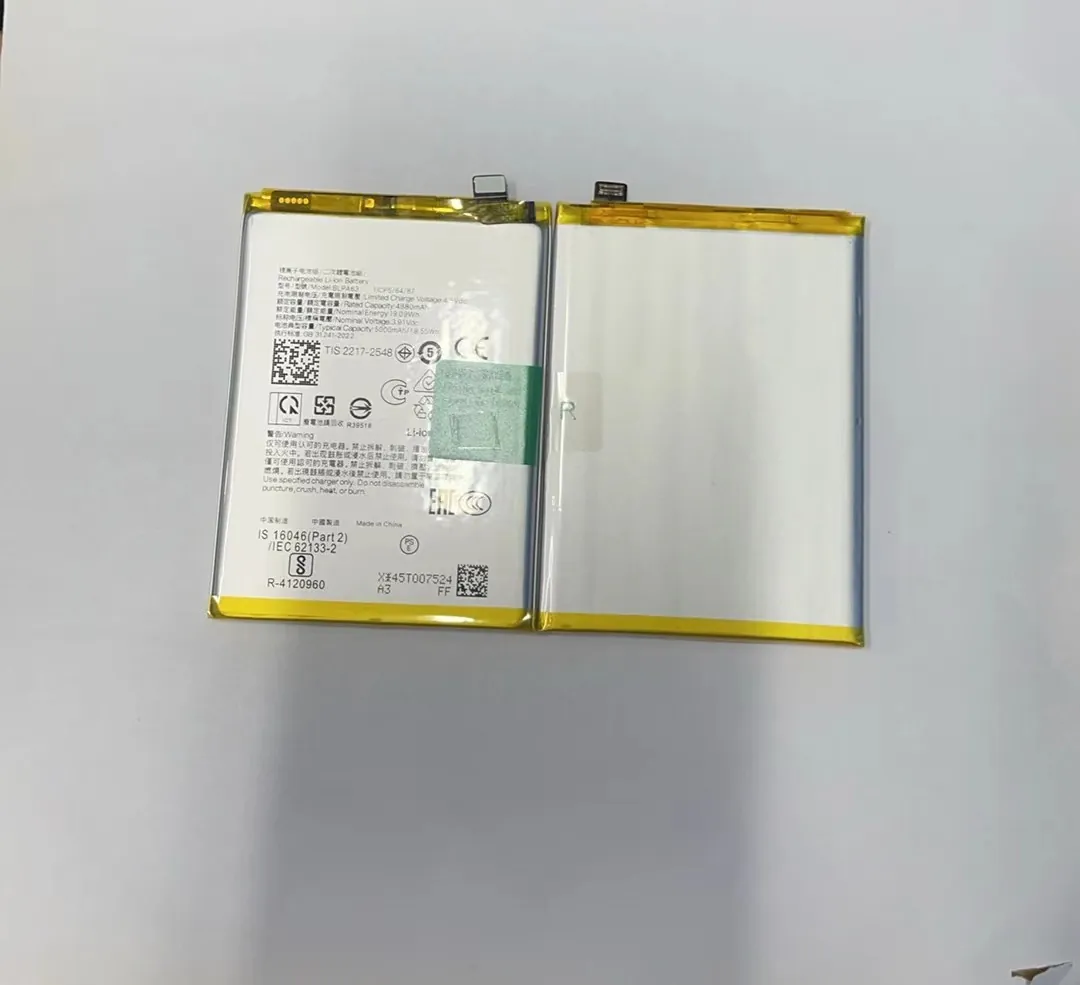
Here is a table of common options and typical savings you might get.
| Option | Typical Savings vs OEM (parts + labor) |
|---|---|
| Generic third-party battery | 30% – 50% less parts cost |
| DIY installation | Save 15% – 40% labor cost |
| Local small repair shops | Save 10% – 25% on labor |
| Off-peak / holiday discounts | 5% – 15% off total invoice |
| Buying battery in bulk (bulk buyer) | Reduce per unit cost by 10% – 20% |
Here is how these help:
Use third‑party batteries
If you don’t need OEM quality, you can buy a generic battery. These cost much less. For older phones you rarely notice difference. I once replaced 10 older phone batteries with generic ones. None failed in 6 months. That saved more than $150 total.
Try DIY replacement
If you feel comfortable, you can buy a battery and change it at home. Many phones now still allow battery swap without special tool. If phone back is removable, it is very easy. That cuts labor cost. But you must be careful not to damage the phone.
Go to small local repair shops or market stalls
Big chains or official stores usually charge more. Small shops often have lower overhead. They can charge less. I recommend local shops in small towns or city suburbs. They charge less yet do a good job. In many cases, I saw prices 20–30% lower than official stores.
Seek discounts or bulk deals
Many shops offer discounts at slower times (like weekdays) or when you bring several phones at once. If you are a small business (like phone repair), you can buy batteries in bulk. That reduces cost per battery. Then you can pass savings to your clients.
Combine strategies
You can mix options: use a good third‑party battery, buy in bulk, do DIY or low-cost shop, then you might pay less than half of OEM‑shop price. That is a big saving.
In my work supplying phone batteries wholesale, I often recommend customers order generic batteries in bulk. They get lower price per piece. Then they resell or use them for repairs. That reduces their cost and keeps profit margin high.
Conclusion
Battery replacement cost for a T‑Mobile phone depends on model, battery type, labor, and battery source. Flagship phones with OEM batteries cost more. Using generic batteries, DIY repair, or local shops helps cut cost a lot. If you want to save money, choose carefully and check your options.
