
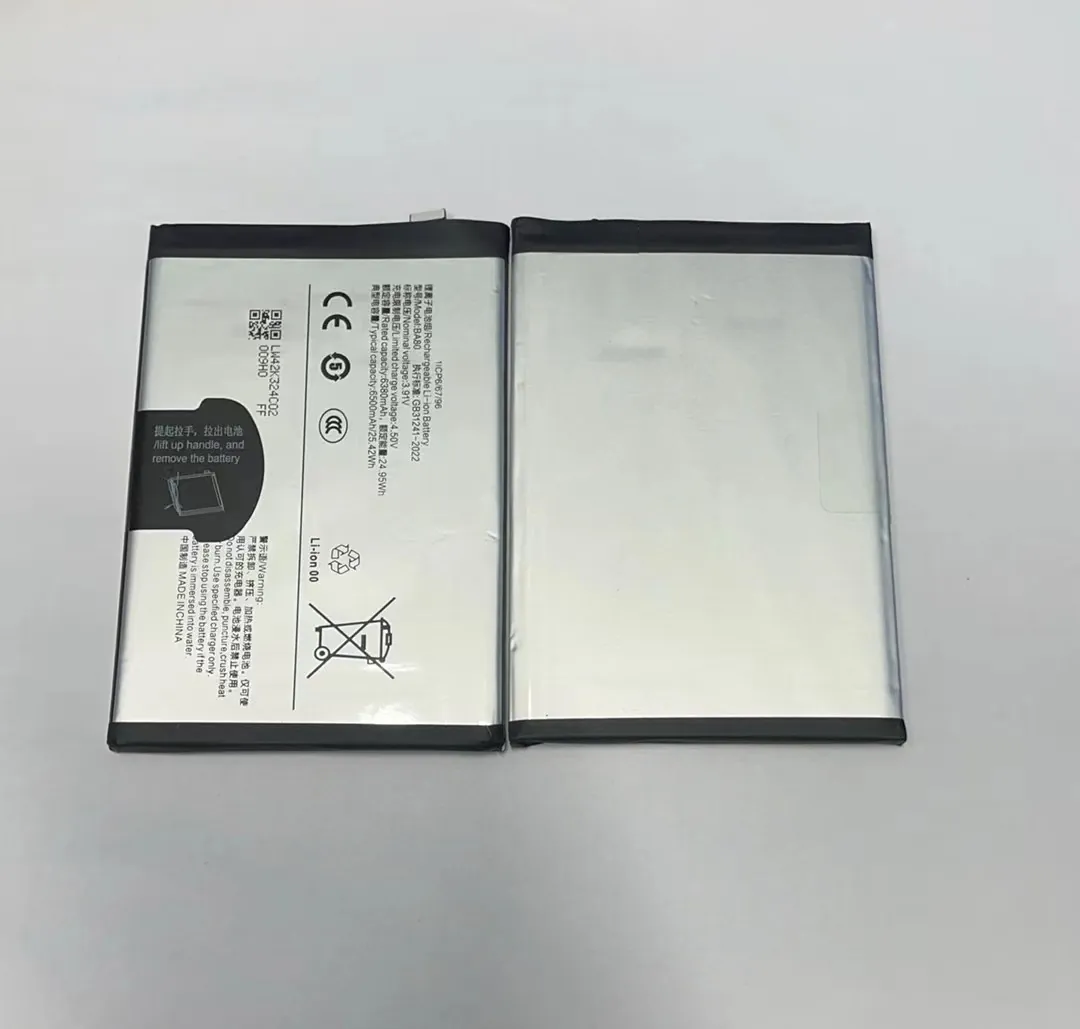
I see many people stress when their phone battery drains fast. I know this feeling because I have faced the same issue many times.
You should replace your phone battery about every two to three years because most batteries lose capacity due to natural chemical aging. This helps you avoid shutdowns, swelling, faster drain, and unstable performance.
I want to guide you through all the key points so you can decide with confidence.
What symptoms indicate replacement time?
I notice many users feel confused when their battery starts acting strange. I felt the same way before I learned what signs to watch for.
You should replace your battery when you see fast percentage drops, random shutdowns, overheating, swollen cases, or long charging times because these symptoms show that the battery cells are worn out.
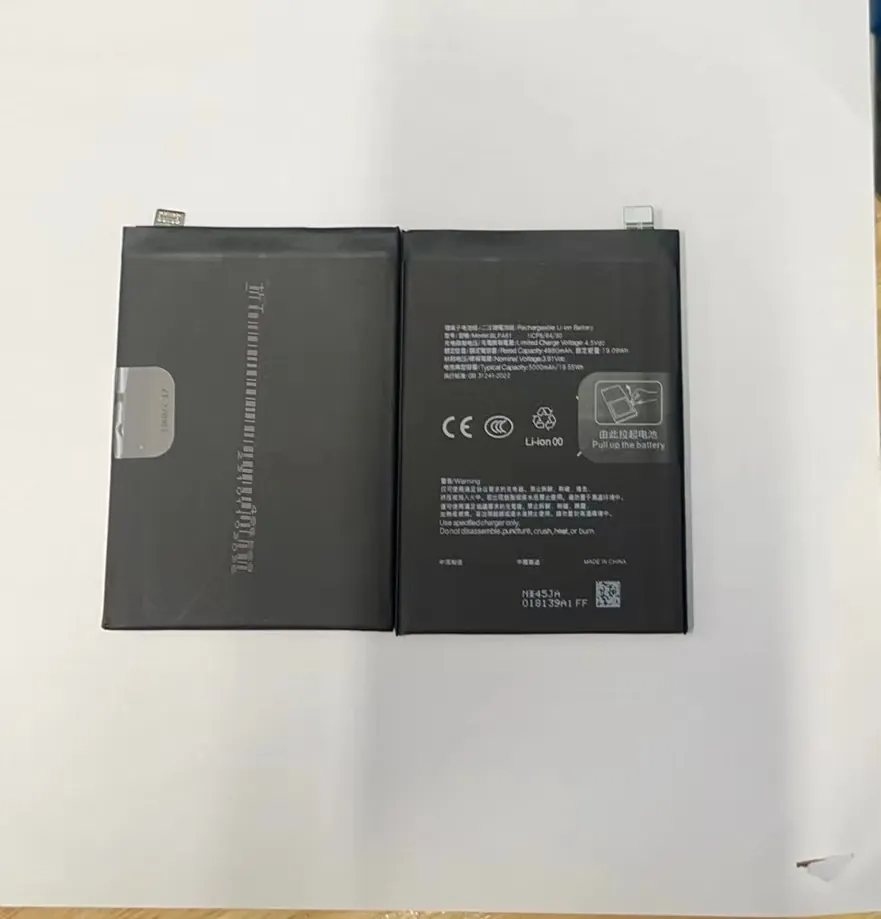
When I judge battery condition for my own phones, I pay close attention to patterns. Many people wait too long because these problems come slowly. I want to explain each symptom with simple logic and clear details.
Sudden percentage drops
I see this happen often. The battery might show 40%, then jump down to 10%. This shows the battery cannot hold stable voltage. Lithium batteries age and lose their ability to keep the charge curve smooth. When I see this pattern, I usually treat it as the first sign that the battery is heading toward failure.
Random shutdowns
A healthy battery gives stable voltage. An old battery cannot keep up when the phone demands power. This leads to sudden shutdowns even when the phone shows 20% or more. I experienced this with one of my older devices during winter. The phone shut down three times in one day. That moment told me the battery was done.
Overheating while charging or basic use
I try to avoid heat because it destroys battery cells quickly. When the battery gets warm during simple tasks, it means the internal resistance is high. This makes the phone work harder. When the battery reaches this stage, replacement is usually the safest step.
Slow charging and fast draining
A battery that charges too slowly often has degraded cells. A battery that drains too fast cannot store energy well. Many customers tell me that their battery drops 1% every minute. That is a clear sign the battery has reached the end of its lifespan.
Table: Common symptoms and what they mean
| Symptom | What It Usually Means |
|---|---|
| Fast drain | Reduced capacity |
| Random shutdowns | Unstable voltage |
| Slow charging | Cell resistance too high |
| Heat during use | Chemical aging |
| Battery swelling | Safety risk |
These symptoms help me judge when it is time to replace the battery. When I follow these signs early, I avoid bigger problems and save money.
How does performance decline over time?
I see many people think a battery fails suddenly. I used to think that too. Later, I learned that batteries decline slowly and steadily.
Your battery loses capacity every charge cycle, and after 500 cycles, it usually drops to about 80%, which leads to slower performance, shorter usage time, and more heat.
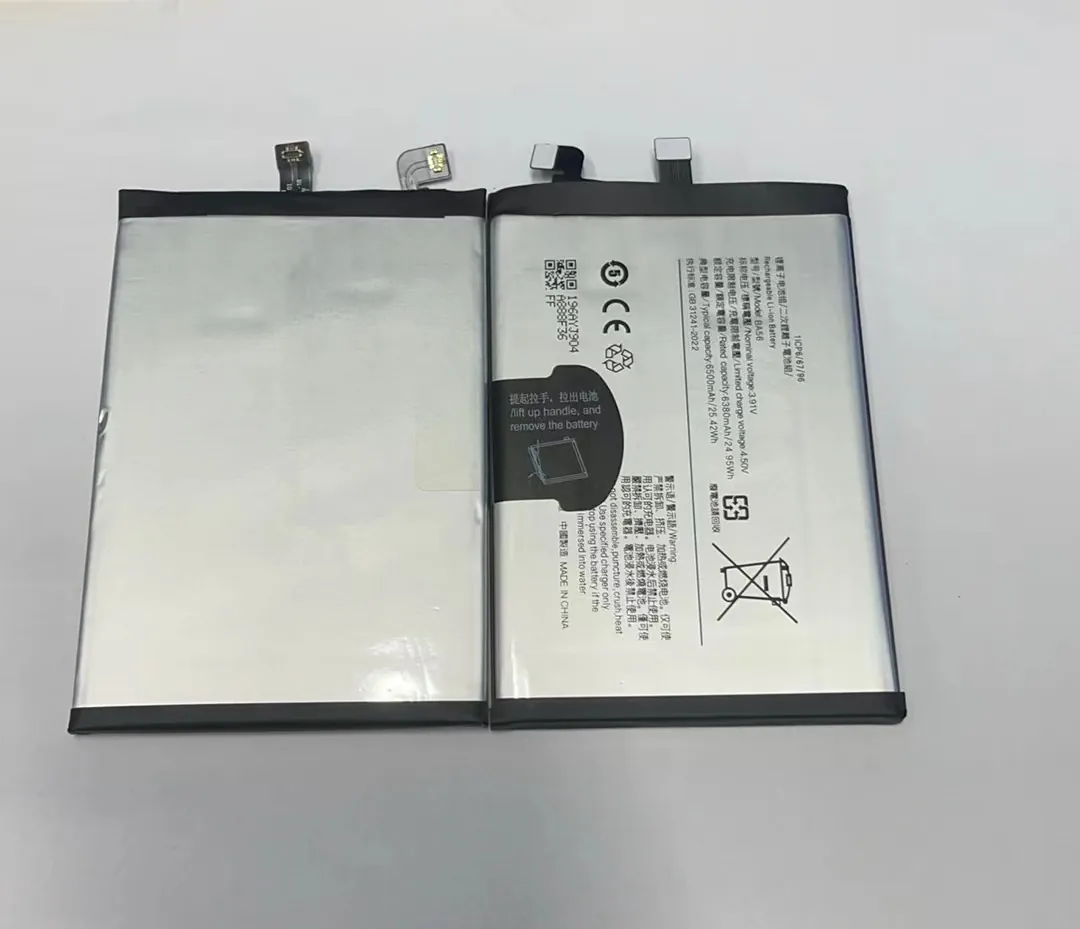
This decline is normal. I want to explain how it happens so you can understand your phone better.
Natural chemical aging
Every lithium battery ages from the moment it is made. This aging continues even if you use the phone gently. The electrolyte inside the battery breaks down little by little. The electric plates form layers that limit capacity. I saw this when I tested old batteries in my workshop. Some dropped to 60% even without heavy use.
Charge cycles and daily habits
I learned that one charge cycle means a full 0% to 100% use. Most phone batteries are rated for about 500 cycles. After that, the battery does not die, but the drop becomes clear. Most phones reach 500 cycles in two years. Heavy users reach it faster.
Here is what I notice with different habits:
Light users
Light users charge once a day or once every two days. Their batteries age slowly. They still see performance drop, but more gently. They might reach three years before needing a new battery.
Heavy users
Heavy users charge twice a day or more. Games, GPS, video, and heat speed up aging. I see these users replace batteries every 1–1.5 years.
Fast charging impact
Fast charging is helpful, but it adds heat. Heat weakens batteries. When I fast charge too often, I notice my battery health drops faster. So I try to use normal charging when I am not in a hurry.
Table: Typical battery decline timeline
| Time of Use | Estimated Capacity | What You Will Notice |
|---|---|---|
| 6 months | 95%–98% | Hard to notice decline |
| 12 months | 90%–93% | Slightly shorter usage |
| 24 months | 80%–85% | Fast drain, heat |
| 36 months | 70%–80% | Strong drain, shutdowns |
When I track this timeline on my phones, I avoid waiting until the battery becomes unsafe. A planned replacement helps keep the phone running smoothly.
Why do swollen batteries require urgency?
I treat swollen batteries with the highest level of caution. I have seen how dangerous they can get when ignored.
A swollen battery is dangerous because gas builds up inside the cell, which increases pressure and can cause leakage, fire, or even explosion, so it requires immediate replacement.
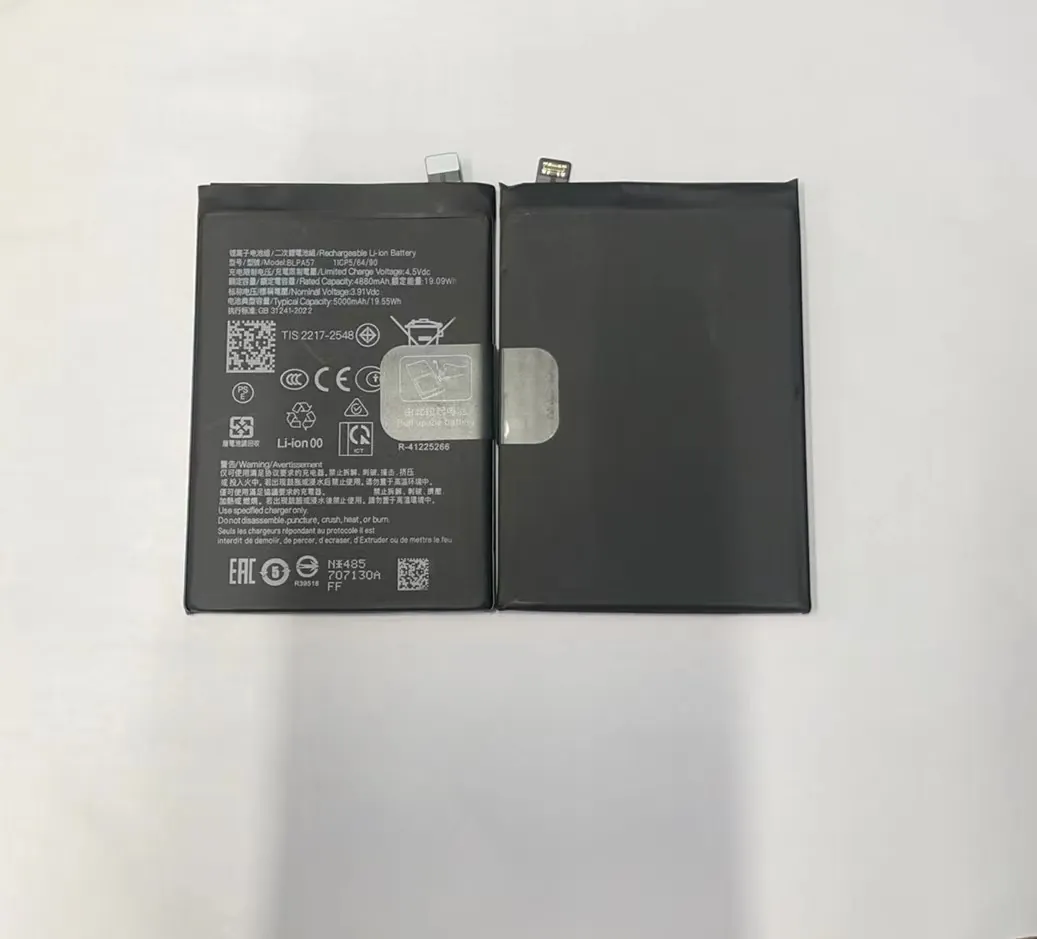
This part is important. I want to explain it clearly so you understand the risk and act fast when you see swelling.
What happens inside the battery
A battery swells when the chemical materials break down. This produces gas. The gas pressure builds inside the sealed battery cell. As pressure grows, the battery expands. I once opened a phone where the battery pushed the screen outward. It looked small from outside but was very dangerous.
How swelling affects the device
A swollen battery can push on the screen and bend the frame. This can crack the LCD and damage the internal boards. In extreme cases, it can break the device completely. When I see the back cover lifting or the screen rising, I know the battery is swollen.
Safety risks
A swollen battery can leak chemicals. These chemicals are harmful to the skin and dangerous to breathe. Even worse, a swollen battery can ignite if it gets punctured or overheated. This is why I never charge a phone with a swollen battery. I always tell people to stop using it right away.
How to check safely
I do not press or squeeze the phone. I place it on a flat surface and look at the edges. If I see a visible curve, I know it is swelling. When I need to remove it, I use proper tools and avoid bending it. If the battery is badly swollen, I ask a professional to handle it.
When to replace
My rule is simple: replace a swollen battery immediately. It is not worth the risk. Even if the phone still works, the battery is dangerous. I learned this after seeing one battery split open during testing. It made a loud sound and released smoke. That experience taught me to never delay.
Which tests confirm battery health?
I check battery health often because it helps me avoid sudden failure. I use simple tools and built-in software to test it.
You can confirm battery health by checking battery percentage stability, using built-in health settings, running third-party diagnostics, measuring voltage, and inspecting heat levels during charging and use.

I want to break down each method because these tests help you know exactly when to replace the battery.
Built-in system health tools
Most phones show battery health information. When the health drops below 80%, I know it is time to replace it. This number is not perfect, but it helps. I check it once every few months to track changes.
Charge stability test
I charge the phone to 100%, then use it normally. If the percentage drops fast or jumps, the battery is unstable. I do this test for two days to confirm the pattern.
Drain test with fixed tasks
I run the same tasks on different days. For example, I watch a 30-minute video. If the battery drain increases over time, the battery is aging. This method gives me clear data without special tools.
Third-party diagnostic apps
There are many apps that check battery capacity and performance. I use them to see cycle count and temperature behavior. When the cycle count goes above 500 or temperature rises too fast, I know the battery is worn.
Voltage test with a meter
For deeper testing, I use a USB meter. It shows real-time voltage and current. A healthy battery has stable voltage during charge and discharge. If the voltage drops sharply, the battery is failing.
Heat monitoring
I touch the back of the phone to check heat. If it warms up during simple tasks, the battery is struggling. I also check temperature through apps. Anything above normal room temperature during light use signals aging.
Why these tests matter
These tests help me stay ahead of battery problems. When I do them regularly, I avoid swollen batteries, shutdowns, and slow charging. They give me the confidence to decide when to replace the battery instead of guessing.
Conclusion
A phone battery weakens over time, so knowing the symptoms, decline pattern, risks, and tests helps you replace it at the right moment and keep your device safe and stable.
