

I see many people feel unsure when they charge a new phone for the first time. I also felt the same when I handled my first batch of batteries many years ago.
You should charge a new phone normally for the first time because modern lithium batteries come pre-charged and ready for direct use. You only need a simple full charge without special steps.
I want to guide you through the whole process so you feel safe, confident, and clear before you start your first charge.
What steps prepare first charge?
I know the first charge can feel important, especially if you worry about battery life or long-term health.
You only need to inspect the phone, make sure the battery level is not very low, and then plug it into a good charger until it reaches 100%.

How I explain the idea
I learned over the years that people feel anxious because old battery habits stay in their minds. Many customers once asked me to confirm if they should charge for 8 hours. Some even told me their repair shops insisted on a long charge. I had to explain the same thing again and again. So now I use a simple routine that anyone can follow without stress.
Basic checks before the first charge
| Check | Why it matters |
|---|---|
| Inspect battery level | Most new phones come with 40–60% charge. |
| Use original or certified charger | Stable current helps avoid heat. |
| Check the port for dust | Clean contact gives steady charging. |
| Keep phone at room temperature | Extreme heat or cold affects charging speed. |
Step-by-step explanation
When I take a new phone or a new replacement battery from inventory, I always do the same things. I check if the battery shows more than 20%. If it shows less, I give it a short charge before doing anything else. This helps the protection board work in a stable state. I have seen phones that shut down during setup because the battery was too low, and this confused many people.
After that, I plug the phone into a charger with stable output. I avoid cheap, untested chargers because they can create heat or unstable current. I also avoid fast charging on the very first cycle. The phone will still fast charge if it supports it, but I try not to push it to the limit during the first minutes. Many technicians taught me that heat is the main enemy of lithium batteries, so I try to keep the environment simple and clean.
I also avoid using the phone heavily during the first charge. I keep the screen off. I do not watch videos or play games. This allows the battery management system to calibrate slowly. Some people think calibration requires special steps, but in reality, the phone only needs a stable first cycle without stress.
When the phone reaches 100%, I unplug it. I do not leave it connected for long. The phone will stop charging automatically, but I still prefer to disconnect it. This simple routine has worked well for me for many years.
How long should first charge last?
Many people still think the first charge must be very long. This idea comes from old nickel-based batteries.
The first charge only needs to reach 100%. It does not need to stay plugged in after it reaches full. Modern phones stop charging automatically.
Why time no longer matters
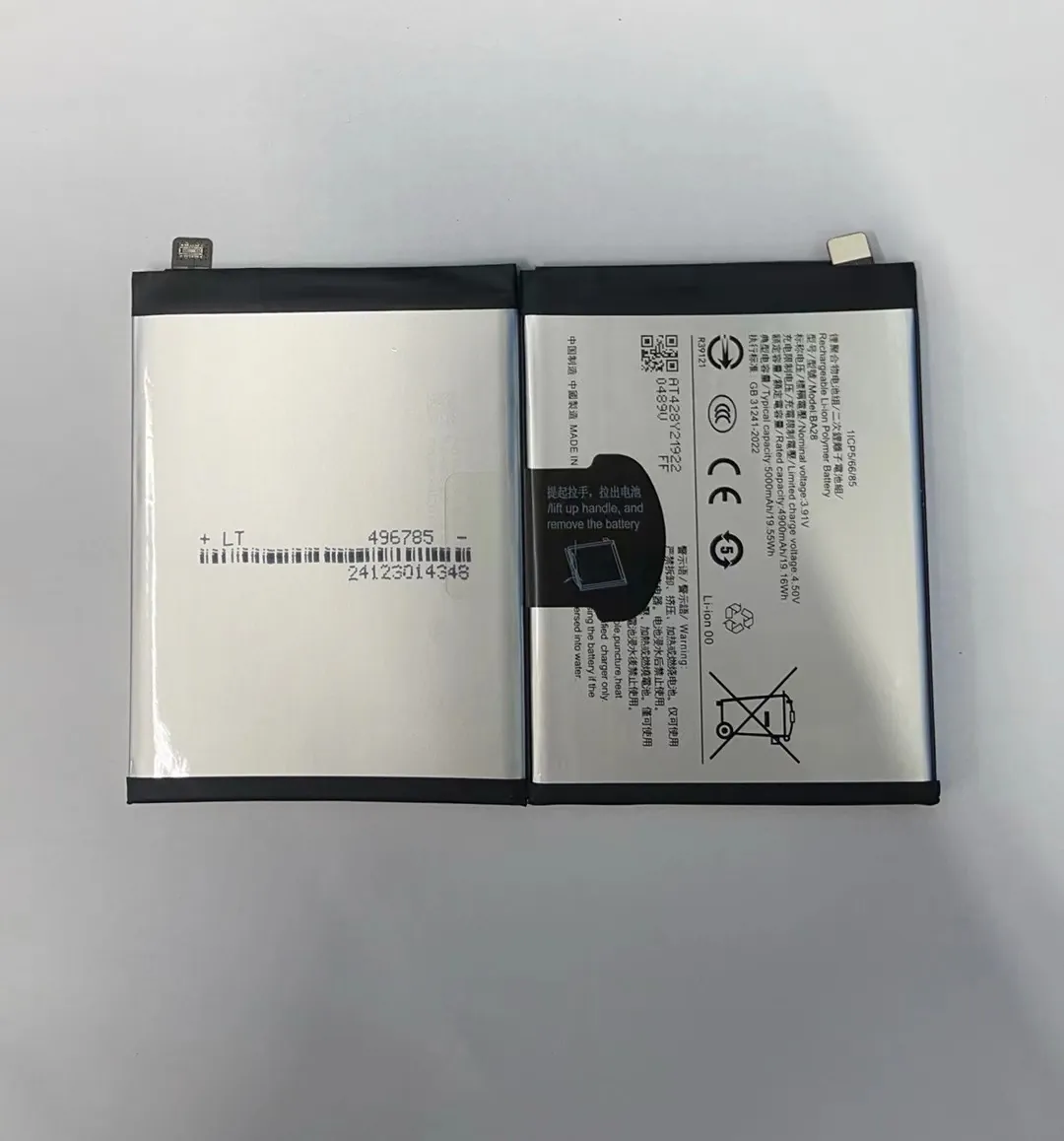
I remember when I started in the repair business. Many customers insisted on charging a new phone overnight on purpose. They believed it was necessary for battery life. But lithium batteries do not work like that. They have protection chips that stop charging when full. They also come partially charged from the factory. They do not need activation. I have charged thousands of batteries over the years, and none required a long first charge.
Typical charging time chart
| Phone state | Approximate time |
|---|---|
| 20% → 100% on normal charger | 1.5–2.5 hours |
| 40% → 100% on fast charger | 40–70 minutes |
| 10% → 100% on fast charger | 1–1.5 hours |
My deeper view from real experience
From many years of working with batteries, I learned that the phone itself manages the charging curve. In the first half, the phone charges fast. In the second half, it slows down. This is a normal safety process. So the time varies by device, but you never need to control it manually.
I also learned that people feel safer when they know why things work the way they do. Lithium batteries do not store energy the same way older batteries did. Their chemistry works best in mid-range levels. They do not need forced saturation. They only need gentle charging and no overheat.
Some phones show the last 1% for a long time. This is not a problem. It is part of the fine-tuning stage. I let it finish and then unplug. This allows the system to confirm the full mark. It also helps the battery gauge stay accurate.
In my daily work, I set up many phones for testing. I often charge them from 40% to 100%. I never keep them plugged in once they reach full. This habit keeps the batteries in good shape, especially when they belong to customers.
Why modern batteries need no long charge?
This question often comes from people who remember the old “12-hour rule.” I also grew up with that rule, but everything changed with lithium technology.
Modern lithium batteries do not need long first charges because they ship with stable chemistry, built-in protection chips, and controlled charging systems that manage the full cycle automatically.

The key idea behind lithium chemistry
Lithium batteries are stable when they leave the factory. They also hold a preset charge level that protects the cell. Engineers design them to deliver power right away. They also add a protection board that controls voltage, temperature, and current. So the system protects the battery without you doing anything special.
Main reasons long charging is outdated
- Lithium batteries do not have memory effect.
- Factory pre-charge keeps cells safe and ready.
- Phones stop current input at 100%.
- Extra charging time gives no benefit.
- Long charging can create unwanted heat.
My longer explanation with real stories
I remember when I first tested replacement batteries for some old smartphone models. Many buyers told me they charged them for 8 hours to “activate” them. They later complained the battery still drained fast. After many rounds of testing, I learned that the real problem was not the first charge. The real cause was battery quality or heavy phone usage.
In the years that followed, I handled many brands and many types of batteries. The same pattern repeated. The first charge made almost no difference. What made the difference was daily use and heat control.
Smartphones today manage everything. The charging chip adjusts current. The battery management system checks temperature. The software reads the cell status. This means the phone protects itself. You do not need to force anything.
Many technicians who specialize in high-end repairs told me the same thing. They said the best way to keep a battery healthy is to avoid stress, not to charge for many hours. So I stopped telling people to worry about long first charges. I learned that simple is the best.
Which tips protect early cycles?
People often want to protect the first few cycles because they think early habits decide future health. I agree that early cycles matter, but not in the way many people think.
To protect early cycles, keep the battery cool, avoid deep drain, and charge with stable power. Use simple habits that reduce heat and stress during the first few days.
Why early cycles set the tone
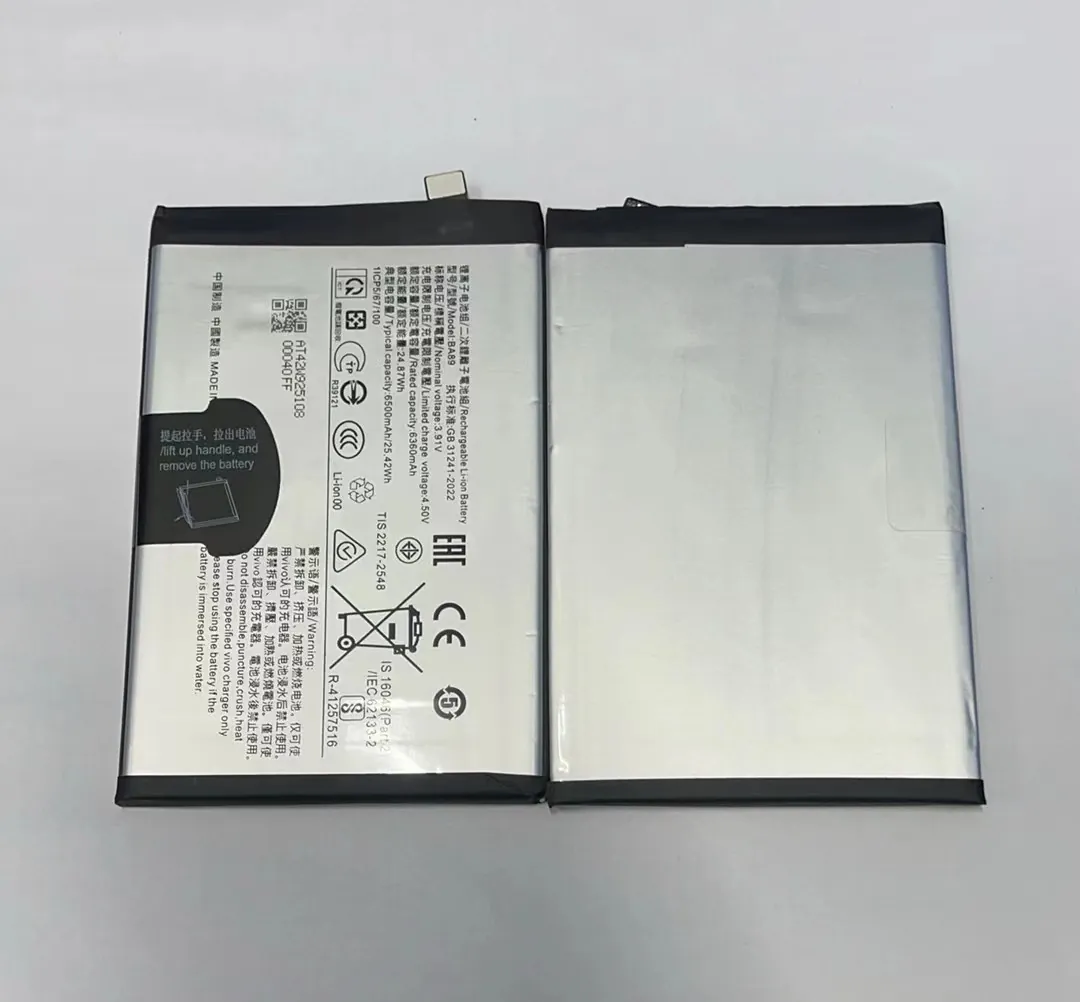
The first few cycles help the phone learn the battery’s capacity. They help the gauge adjust. They also help the system record usage patterns. This does not change the chemistry, but it helps the software become more accurate.
Tips that truly help
- Keep battery between 20% and 80% when possible.
- Avoid heavy gaming while charging.
- Avoid charging in hot rooms.
- Use certified cables and chargers.
- Let the phone cool before charging if it feels hot.
- Do not let the phone reach 0% often.
My full guidance for the first week
I like to treat the first week as a “gentle week.” This is not a strict rule, but it helps me get the best reading from the battery. When I set up a new phone, I charge it once from 20% to 100% normally. After that, I follow a simple routine.
I avoid deep drain. Many technicians say deep drains do not kill the battery immediately, but they create stress. I agree because I saw many replacement batteries fail early after customers drained them to 0% every day.
I also avoid heat. Heat is the true enemy. When I tested phones in the past, the ones that stayed hot during charging always aged faster. So I keep them in a cool space and avoid charging inside cars or under blankets.
I use normal chargers unless I am in a hurry. Fast charging is safe, but it still creates more heat. So I use it only when needed. During the first few cycles, I prefer slow and steady current.
I also give the phone a full discharge cycle once every few months, not every week. This helps recalibrate the battery meter. But I do not do it too often because it also creates stress. Balance is key.
I learned these habits from many years of working with batteries. I saw patterns repeat with different brands, models, and customers. Simple habits keep batteries healthy. Complicated rituals do not.
Conclusion
A new phone battery only needs simple care. A normal full charge, low heat, and gentle early cycles help the phone adjust and stay healthy. You do not need long first charges or special rituals. Simple habits work best.
