
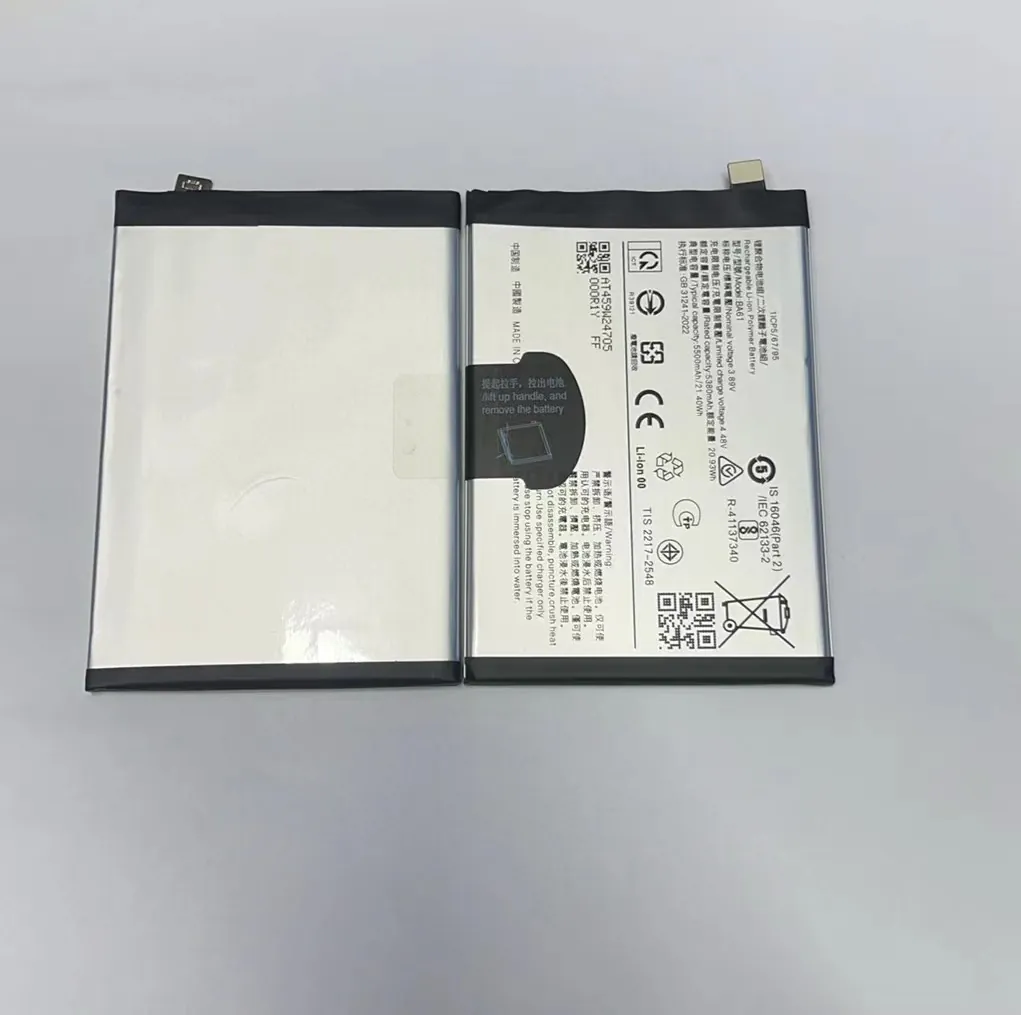
Many people don’t realize that simple actions can permanently damage a phone battery. That damage isn’t always visible—until the battery swells or dies.
Mobile phone batteries can be destroyed by heat, overcharging, physical damage, or using the wrong charger. These actions cause chemical reactions inside the battery that can't be reversed.
Most people want their batteries to last longer. But knowing what damages them can help us avoid those risks. Let’s break down what really destroys phone batteries and how they are designed to resist such harm.
What causes irreversible damage to a phone battery?
Small mistakes can kill your battery without warning. Using a low-quality charger, leaving your phone in a hot car, or running it to 0% every day can shorten its life.
Heat, over-discharge, swelling, deep cycles, and physical damage all cause irreversible harm to lithium-ion batteries. These issues damage the internal structure, reduce capacity, and create safety risks.
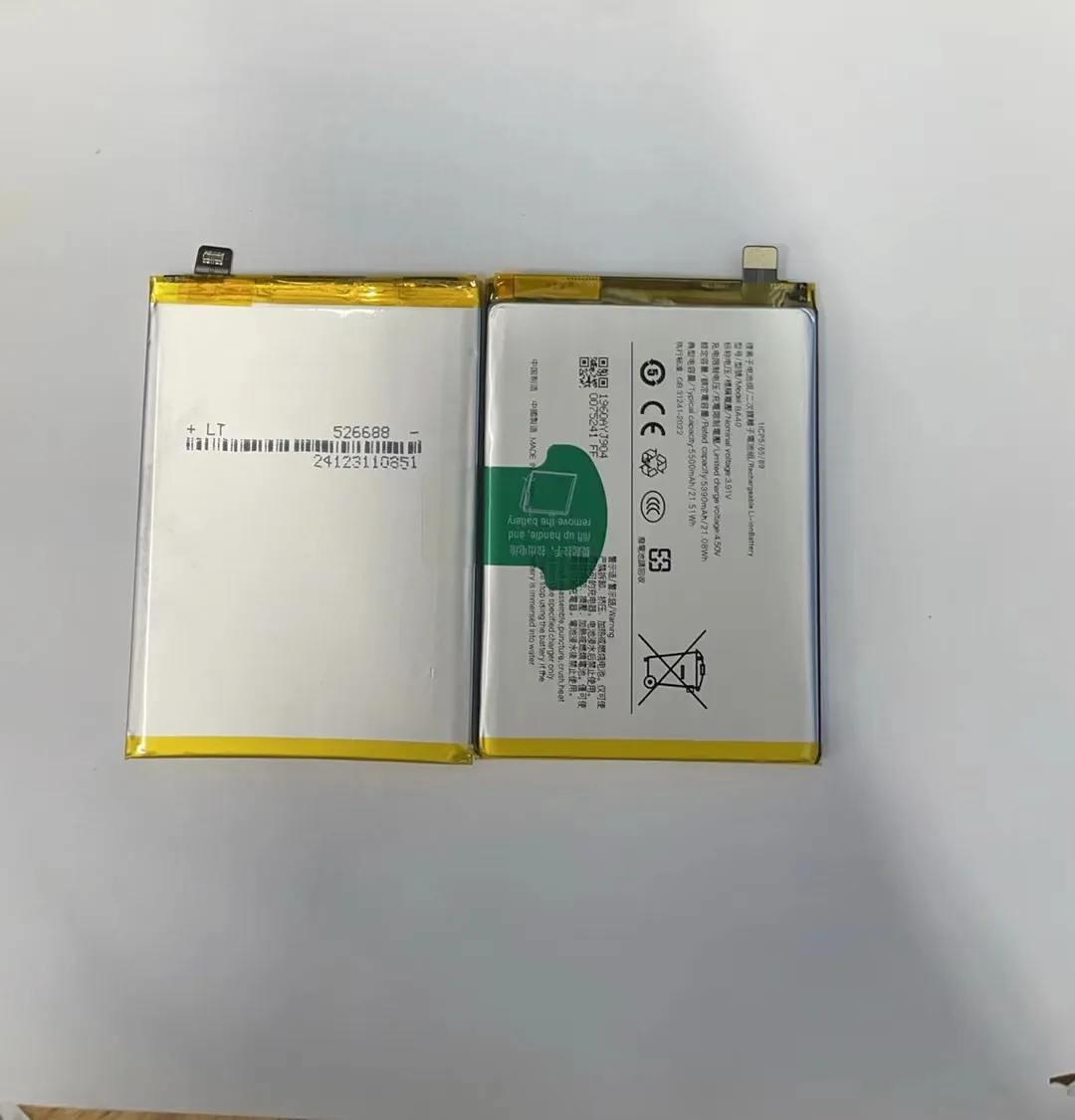
The Key Factors That Kill a Battery
There are several causes of irreversible damage. These include:
1. Heat Exposure
High temperatures are the biggest enemy of lithium batteries. Even 40°C (104°F) can shorten battery life. At 60°C (140°F), internal parts may deform or fail.
2. Deep Discharge
Letting your phone drain to 0% regularly stresses the cells. If it stays empty too long, the voltage drops too low, causing cell degradation.
3. Overcharging
Charging above the safe limit (usually 4.2V) increases pressure inside the battery. That can damage the electrodes or cause gas buildup, leading to swelling.
4. Mechanical Damage
Piercing, crushing, or bending a battery can short the internal layers. This may cause sparks, heat, or even fire.
5. Poor Charging Habits
Fast charging creates more heat. Cheap or fake chargers may skip safety controls. Both can damage cells over time.
Summary Table: What Damages a Phone Battery
| Cause | How It Damages the Battery | Is It Reversible? |
|---|---|---|
| Overheating | Deforms internal parts, accelerates aging | No |
| Overcharging | Causes gas buildup, swelling | No |
| Deep discharging | Kills voltage-sensitive cells | No |
| Physical damage | Short circuits, heat, fire | No |
| Bad chargers | Provide wrong current, create heat | No |
Understanding these causes helps users take better care of their batteries, avoiding costly damage and extending battery lifespan.
Can overcharging permanently destroy a mobile battery?
Most users worry about overcharging their phones overnight. It seems harmless, but is it really?
Yes, overcharging can permanently damage a phone battery. Modern phones have protection, but using faulty chargers or leaving a phone plugged in for days can still harm the cells.
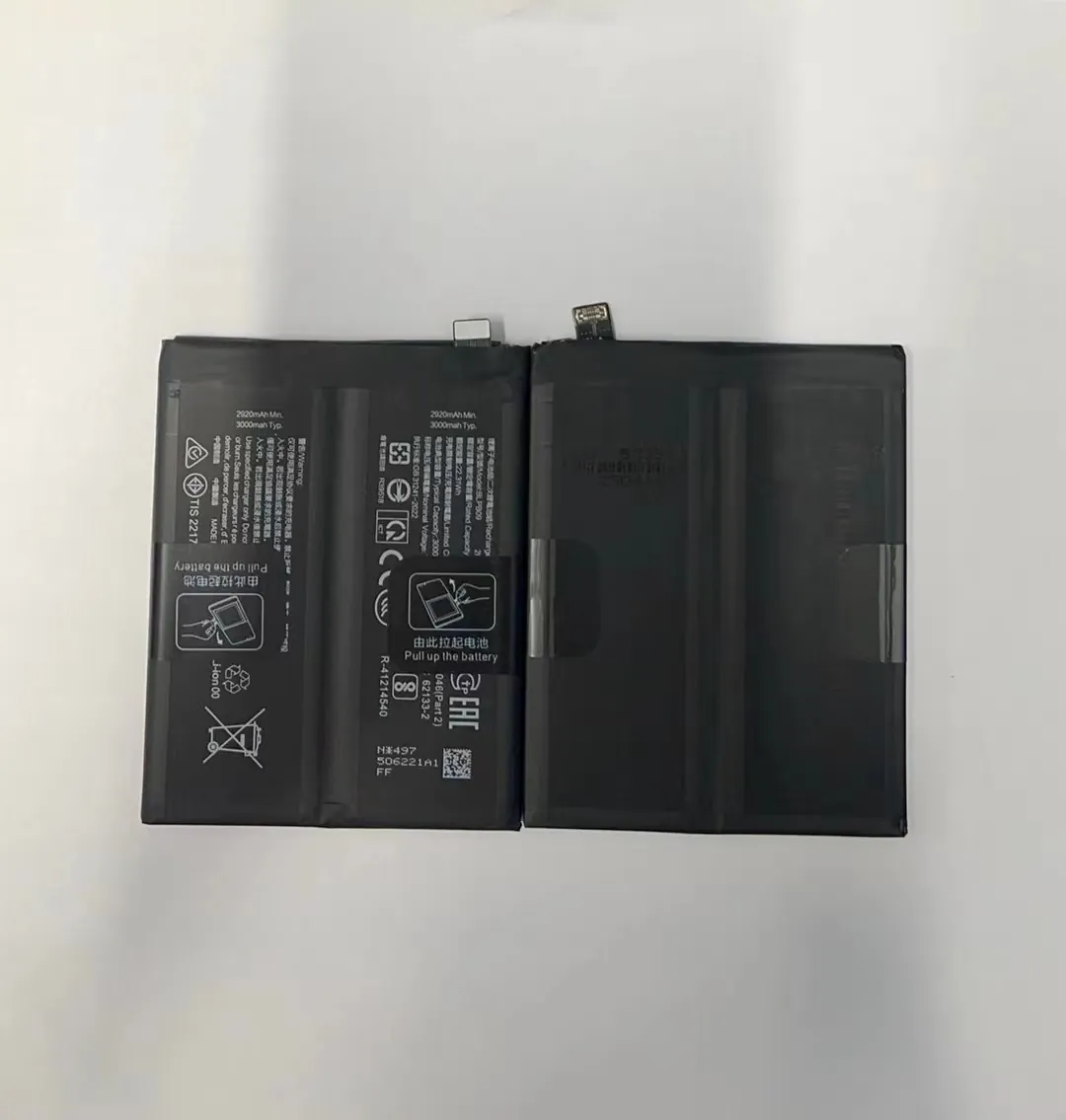
What Happens During Overcharging?
Even though lithium-ion batteries stop charging at 100%, poor-quality chargers or outdated devices might not follow the rules. This can lead to:
- Higher voltage input: Chargers without control chips can push more than 4.2V.
- Heat buildup: Constant charging cycles produce heat, especially under pillows or in cases.
- Chemical changes: Overvoltage changes the battery’s electrolyte and electrode structure.
How Do Modern Phones Prevent Overcharging?
Today’s smartphones include battery management systems (BMS). These systems control the charge level and stop charging at 100%. However, cheap wall chargers or damaged cables might bypass these systems.
Some BMS features include:
- Thermal sensors
- Overvoltage protection
- Automatic shut-off
- Adaptive charging (e.g., slows down charging overnight)
But even with BMS, battery health can still degrade if a phone stays plugged in all day, especially in hot environments.
Practical Tips to Avoid Overcharging
| Tip | Why It Helps |
|---|---|
| Unplug after 100% | Reduces heat and stress |
| Use original chargers | Ensures proper voltage control |
| Avoid charging under pillows | Keeps temperature low |
| Try scheduled charging apps | Stops charging at set limits |
Is it legal to intentionally destroy phone batteries?
It may seem harmless to break an old battery, but that action could break the law depending on where you live.
In most countries, intentionally destroying phone batteries is illegal, especially if it causes safety or environmental hazards. It may violate local e-waste, fire safety, or hazardous materials laws.
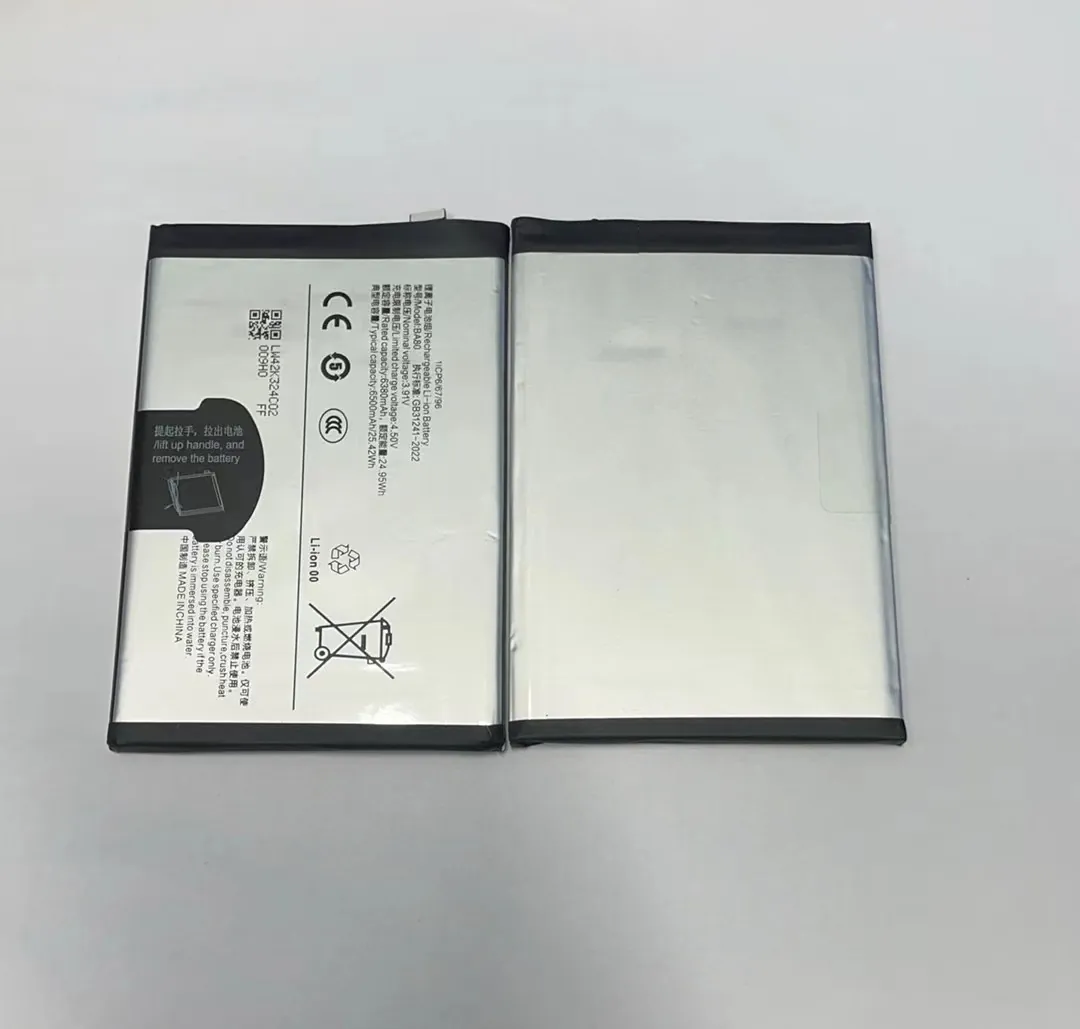
Why Battery Destruction Is Dangerous
Lithium-ion batteries are chemical devices. They contain flammable liquid electrolytes. Destroying one can:
- Start a fire
- Release toxic gases
- Cause injury
- Pollute the environment
Governments have strict rules about hazardous electronic waste (e-waste). Intentionally damaging a battery is treated as unsafe disposal.
Legal Guidelines Around the World
Here’s a simple overview:
| Region | Legal to Destroy Battery? | Comments |
|---|---|---|
| United States | No | EPA regulates battery disposal |
| EU Countries | No | Fines for improper e-waste handling |
| China | No | Must follow recycling rules |
| Australia | No | Destruction can trigger fire code issues |
What You Should Do Instead
The safest way to deal with a damaged or old battery is:
- Take it to a recycling center
- Use manufacturer take-back programs
- Follow local e-waste rules
- Never puncture, burn, or crush a battery
These actions are not just safer. They are also better for the planet.
How do manufacturers design batteries to prevent damage?
Battery makers understand that safety is key. That’s why modern batteries are not just powerful, but also smart.
Manufacturers design phone batteries with multiple layers of protection, including voltage control, thermal sensors, and safety valves to prevent overcharge, overheating, and fire.
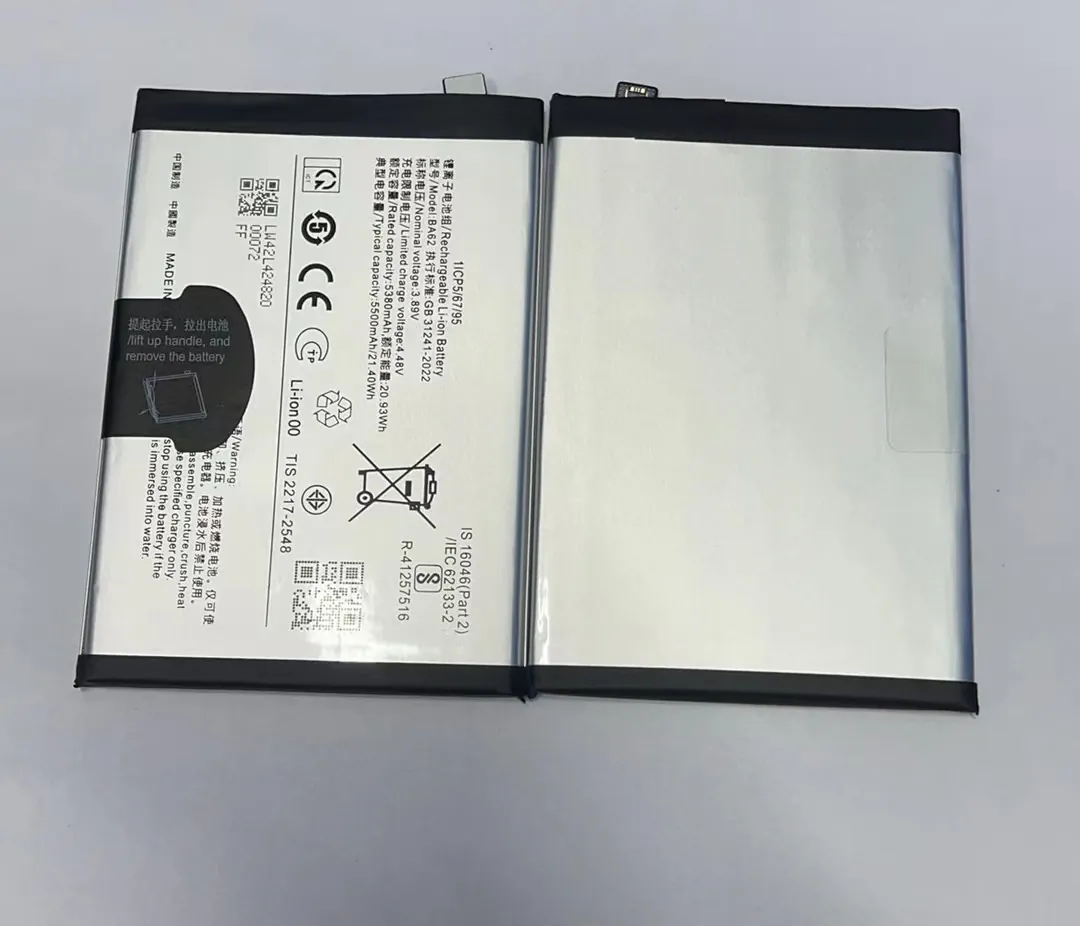
Inside a Safe Battery
A well-designed battery includes:
1. Battery Management System (BMS)
This circuit board monitors the charge, voltage, and temperature. It prevents overcharging, over-discharging, and short circuits.
2. Thermal Cut-Offs
If the battery gets too hot, the circuit cuts off charging to prevent meltdown.
3. Current Protection
Fuses and resistors protect the battery if there’s a power surge.
4. Separator Materials
Inside the cell, layers separate the positive and negative electrodes. These layers shut down if temperature rises, stopping further reaction.
5. Metal Shells or Wrapping
The battery casing prevents physical damage and contains leaks if swelling happens.
Example: Typical Lithium Battery Structure
| Layer | Function |
|---|---|
| Cathode/Anode | Stores and releases energy |
| Electrolyte | Allows ion flow |
| Separator | Prevents short circuits |
| BMS Circuit Board | Controls charging/discharging |
| Protective Casing | Shields battery from outside harm |
Real-World Safety Features
Some brands go further. Apple, Samsung, and Huawei include:
- Smart charging systems
- AI-based temperature control
- App warnings for battery health
- Strong fire-resistant cases
These features reduce the chance of swelling, fire, or rapid wear. They also allow batteries to work longer and safer under daily use.
Conclusion
Many people harm their batteries without knowing. Heat, bad charging habits, or trying to break them can cause permanent damage. Manufacturers work hard to design safe batteries, but smart use is still key to keeping them alive longer.
