

Many people notice their phone battery drains faster after a few months. This can be frustrating and lead to frequent charging.
To maintain your phone battery, avoid full charges, extreme heat, and let the battery stay between 20% to 80% most of the time.
Even if battery wear is unavoidable, proper care can slow it down. Here's how to get the most life from your battery.
What are the top tips for battery care?
Many users charge their phones the wrong way without realizing it. Over time, these bad habits can shorten battery life.
Top battery care tips include avoiding 0% and 100% charge, keeping the phone cool, and using the right charger.

Simple Battery Care Tips That Work
Following a few simple habits can protect your battery health. Here are some things that help:
| Tip | Why It Matters |
|---|---|
| Avoid full charge to 100% | High voltage stresses the battery |
| Don’t let it go below 20% | Deep discharge shortens battery life |
| Use slow charging when possible | Fast charging creates more heat |
| Remove the case while charging | Helps reduce temperature |
| Avoid cheap, unverified chargers | Poor-quality chargers damage the battery |
| Turn off unused features | Saves power and lowers heat |
| Enable battery saver modes | Reduces load and extends battery health |
These actions prevent stress and overheating, which are two key causes of battery wear.
Charging Strategy Over Time
Batteries work on chemical reactions. These reactions degrade over time, especially under pressure. High voltage, deep discharge, and high temperature all add stress.
A battery will go through many charge cycles in its life. A full cycle means 100% of the battery is used, but not necessarily all at once. For example, using 50% today and 50% tomorrow counts as one full cycle.
The fewer cycles you go through, the longer your battery lasts. Partial charging is better. A phone charged from 40% to 80% twice causes less wear than from 0% to 100% once.
How often should you charge your phone?
Some people think charging only when the battery is low is better. Others charge several times a day. So what’s best?
Charge your phone whenever it drops to around 30-40%, and unplug it at about 80-90% to avoid deep discharge and overcharging.
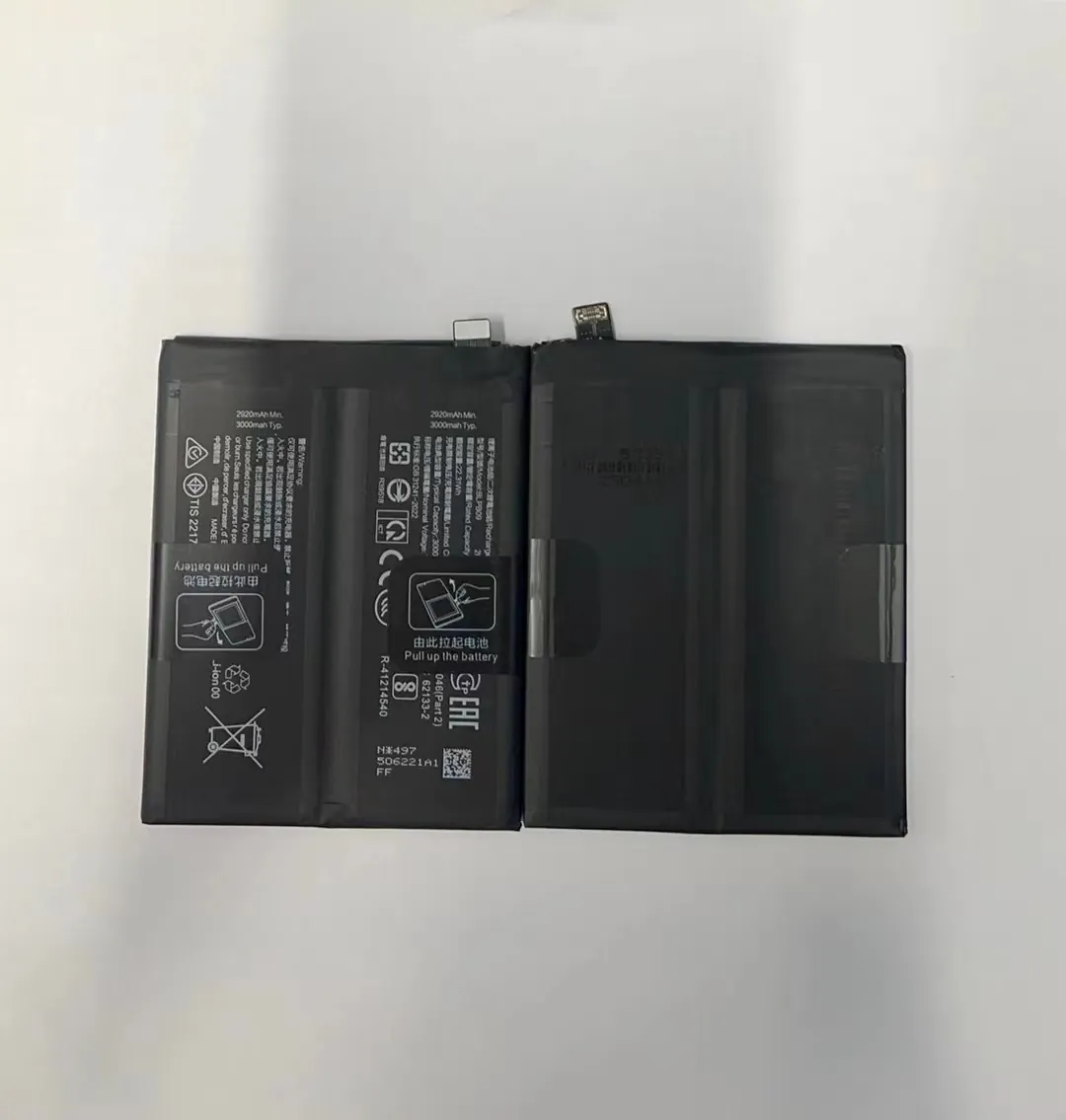
The Science Behind Charging Frequency
Most modern phones use lithium-ion batteries. These batteries don’t need to be fully discharged before recharging. In fact, full discharges reduce their lifespan.
Keeping the charge between 30% and 80% reduces battery stress. If you can, charge in short bursts instead of all at once. For example, topping up from 50% to 70% is better than letting it drop to 10% and then charging to 100%.
Real-Life Charging Schedule
You can build a daily charging habit that supports battery health. Here’s an example:
| Time of Day | Action |
|---|---|
| Morning | Start the day around 70–80% charged |
| Midday | If down to 40%, plug in for 15–20 mins |
| Evening | Top up if needed, but avoid charging to 100% |
| Night | Avoid charging overnight unless using smart charging |
Phones with smart charging (available in many new models) slow down charging when the battery is almost full. This helps reduce damage from trickle charging.
Does charging overnight damage battery?
This is one of the most common questions, especially since many people charge while sleeping.
Yes, charging overnight can damage your battery if the phone stays at 100% for hours, especially in warm conditions.
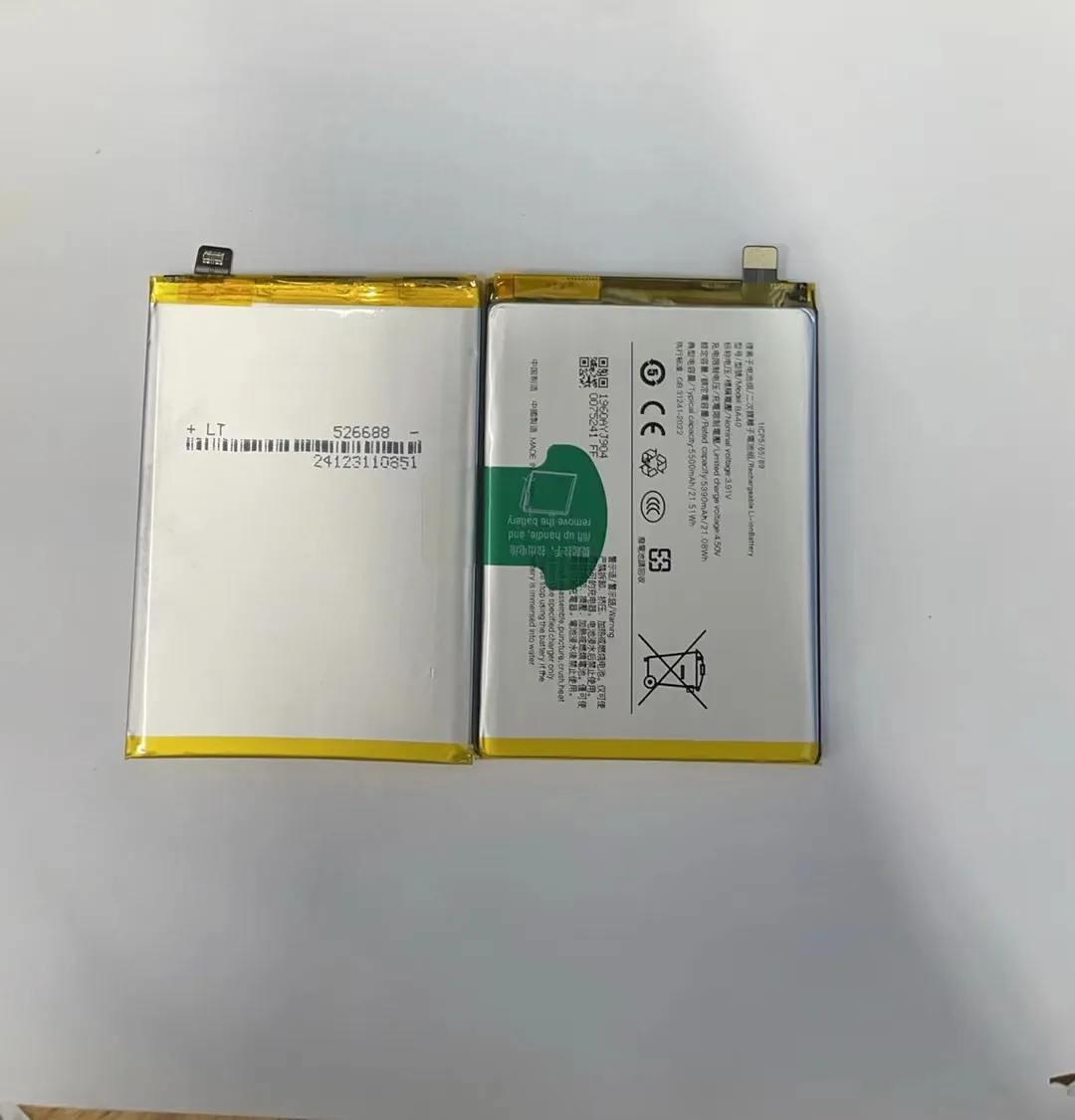
Understanding What Happens Overnight
When your phone reaches 100%, it doesn’t stop charging. It keeps drawing a small current to stay at 100%. This is called "trickle charging," and it keeps the battery under constant stress.
Also, during charging, heat builds up. If your room is warm, or if the phone is under a pillow or case, temperature can rise even more. Heat and full charge combined cause faster battery degradation.
Many phones now have built-in charging protection. This slows the charge after 80% or learns your schedule to stop charging just before you wake up. But if your phone doesn’t have this feature, overnight charging will cause long-term wear.
Better Nighttime Charging Practices
- Charge your phone before bed and unplug it before sleeping.
- Use smart plugs or timers to cut power after a set time.
- Keep your phone in a cool, open space.
- Use the original charger or a certified third-party charger.
Avoid wireless chargers overnight. They generate more heat than wired ones, especially if the phone isn’t perfectly aligned.
What temperature range is best for batteries?
Battery performance and health both suffer in extreme temperatures. But what is the safe range?
The best temperature range for phone batteries is between 15°C to 25°C (59°F to 77°F).

Why Temperature Matters
Heat increases chemical activity. That might sound good, but it speeds up battery aging. Cold, on the other hand, slows the chemical reactions. This reduces performance but doesn’t cause permanent damage unless it's extreme.
However, going from cold to hot quickly (like using the phone after bringing it indoors from the cold) causes condensation. Moisture inside the phone can lead to short circuits or corrosion.
Safe Temperature Tips
- Never leave your phone in a parked car.
- Avoid using your phone under direct sunlight for long periods.
- Don’t charge your phone under your pillow or bed covers.
- Use battery saver or low-power mode when in hot environments.
Table: Battery Behavior by Temperature
| Temperature | Effect on Battery |
|---|---|
| Below 0°C / 32°F | Battery may shut down temporarily |
| 0°C – 15°C | Slower charging, reduced capacity |
| 15°C – 25°C | Ideal range for performance and lifespan |
| 25°C – 35°C | Slightly faster aging, monitor usage |
| Above 35°C / 95°F | High risk of swelling and damage |
Modern phones sometimes show a warning and stop charging if the device is too hot or cold. Don’t ignore these warnings—they exist to protect your battery and your safety.
Conclusion
Battery care is simple but important. Avoid extreme charge levels and temperatures. Use proper charging habits. These small steps can add months—or even years—to your battery's lifespan.
