

I know many people feel confused when they try to understand how much real energy sits inside a mobile phone battery, and this often causes wrong expectations in daily use.
Lithium battery energy content in a mobile phone comes from its voltage and capacity, and the final value is watt-hours (Wh), which shows how much work the battery can deliver before it needs charging.
I want to take this idea apart step by step so you can judge any phone battery with simple logic and numbers that make sense.
What determines battery energy?
Many users think only capacity affects energy, but this idea is incomplete and often leads to wrong comparisons.
Battery energy is determined by rated voltage and rated capacity. When you multiply voltage and capacity, you get watt-hours, which is the true measure of stored energy.

When I compare different phone batteries, I often see people focus only on mAh. They look at the biggest number and assume better performance. I want to show why this habit can mislead users and why a simple formula gives a clearer answer.
Voltage influence on real energy
Voltage is the electric pressure inside the cell. A typical lithium-ion cell in phones has a nominal voltage of 3.85V or 3.87V. Older designs use 3.7V. A higher nominal voltage means more energy even if both batteries have the same mAh rating. Many users never notice this number, but it has a strong effect on runtime.
Why capacity alone cannot show full energy
Capacity shows how much charge a battery can hold, but it does not show how much energy we can use. Two batteries may have the same 4000mAh rating, but if the voltage is different, their real energy levels will not match. This is why watt-hours is a more complete unit for comparing batteries.
Voltage and capacity impact table
| Capacity (mAh) | Nominal Voltage (V) | Energy (Wh) |
|---|---|---|
| 4000 | 3.85 | 15.4 |
| 4000 | 3.7 | 14.8 |
| 5000 | 3.85 | 19.25 |
When I test batteries in phones, these numbers match what I see in real use. Phones with higher-voltage chemistry usually last longer, even when the mAh values look similar. This small detail often surprises users, but it explains many real battery performance differences.
I meet people who replace batteries based only on mAh, and they feel disappointed when the result is not better. I explain that energy is voltage multiplied by capacity, and they immediately understand why watt-hours matters more.
How does capacity relate to watt-hours?
This question comes up a lot when people try to compare different phone models.
Capacity connects to watt-hours through the formula: Wh = mAh × V ÷ 1000. This turns mAh and voltage into usable energy, which lets us compare batteries with more accuracy.

I use this formula every day when I review large batches of batteries. It helps me check if printed numbers make sense and if suppliers are honest. Many battery labels show mAh but hide watt-hours, so this formula becomes a simple tool for clarity.
Step-by-step breakdown of the relation
Let me show simple examples:
-
A 4500mAh battery at 3.85V
4500 × 3.85 ÷ 1000 = 17.32Wh -
A 3000mAh battery at 3.8V
3000 × 3.8 ÷ 1000 = 11.4Wh
Even small voltage changes create noticeable differences. This is why watt-hours is more trustworthy than mAh alone. Many professional repair shops prefer using Wh for real performance checks.
Common smartphone battery energy table
| Phone Battery Size | Voltage (V) | Approx Energy (Wh) |
|---|---|---|
| 3000mAh | 3.85 | 11.55 |
| 4500mAh | 3.85 | 17.32 |
| 5000mAh | 3.87 | 19.35 |
Why watt-hours help judge performance better
Watt-hours show how long the battery can support all power-consuming parts in the phone. mAh alone does not do this. A phone with a bright screen and strong processor can drain energy fast even if a large mAh battery is present. But when I look at watt-hours, I can form a clearer expectation about runtime.
When I help customers understand their battery needs, I always start with Wh instead of mAh. After using this unit, they feel more confident in choosing suitable replacement batteries and predicting real performance.
Why energy varies by model?
Many users ask why two phones with the same mAh show different screen-on times.
Energy varies by model because battery chemistry, internal design, voltage, and space limits differ. Each phone model uses a battery shaped for its structure, electronics, and power demands.

Each phone model has its own design rules. Engineers must balance weight, size, heat, camera modules, and the motherboard. Battery size is only one part of the system. This means two phones with the same mAh may still show different energy levels or efficiency.
Battery chemistry differences by brand
Different brands choose different cell materials. Some use high-voltage lithium-polymer cells. Others use safer but slightly lower-voltage designs. Some batteries have customized shapes, such as curved corners or folded layers. These differences change real energy output.
Internal power consumption
Modern phones use many advanced parts. Some have high refresh rate displays. Others include strong cameras or large image processors. These parts drain energy at different speeds. I often test phones that have the same mAh but produce very different screen-on times.
Space limits inside the phone
Every phone model has a unique interior layout. Engineers adjust the shape of the battery to fit around speakers, cooling plates, and camera structures. A small change in thickness can reduce energy significantly. This is why battery energy varies from model to model even when the mAh number looks the same.
When I explain this to clients, they immediately see why mAh cannot predict performance alone. The full design of the phone controls real battery behavior.
Which factors reduce energy output?
Many people ask why their battery looks good on paper but performs poorly in real life.
Energy output drops because of aging, heat, poor storage, bad charging habits, and increased internal resistance. These conditions reduce how much energy the phone can use from the battery.
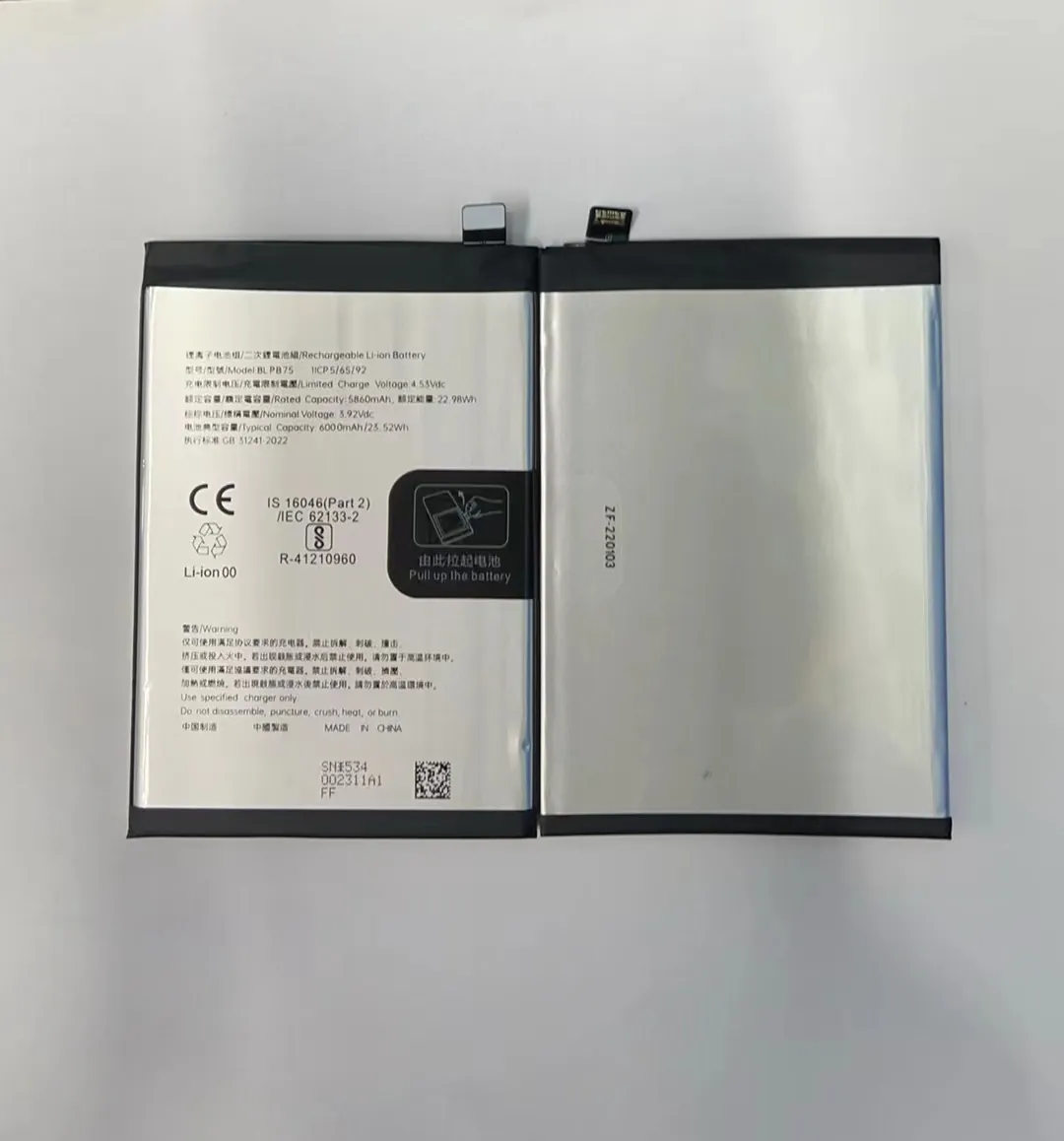
Every lithium battery loses performance with time. Even unused batteries slowly degrade. When I check returned batteries, the patterns are always clear and easy to explain once people understand the chemistry.
Aging and cycle wear
Every charge and discharge slowly reduces battery strength. Chemical reactions inside the cell break down materials. Internal resistance rises. Voltage drops faster under load. The phone shuts down earlier even if the battery still holds some charge. This happens to all lithium batteries with age.
Temperature stress
Heat is one of the biggest enemies of lithium cells. Gaming, fast charging, or hot weather increases internal temperature. Heat speeds up chemical wear. Cold slows reactions and reduces temporary capacity. Many users tell me their phone turns off early in winter. This is normal because cold reduces how fast energy can flow.
Storage and charging habits
Storing batteries at full charge for long periods weakens them. Storing at very low charge also harms them. Charging overnight or using unstable chargers increases stress. These habits build up damage slowly, and the battery begins to deliver less usable energy.
Internal resistance and voltage drop
As resistance increases, the battery struggles to deliver strong current. The phone may power off early even if the battery still holds charge. I see this often in old batteries or low-quality replacements. The stored energy might still exist inside, but the phone cannot use it because voltage drops too fast under load.
These factors explain why a battery that looks fine on paper can still perform poorly. When users understand these points, they can care for batteries better and avoid sudden performance dips.
Conclusion
Lithium battery energy becomes clearer when we look at voltage, capacity, and real usage together. When we understand these simple ideas, we can compare any phone battery with confidence and avoid common misunderstandings.
