
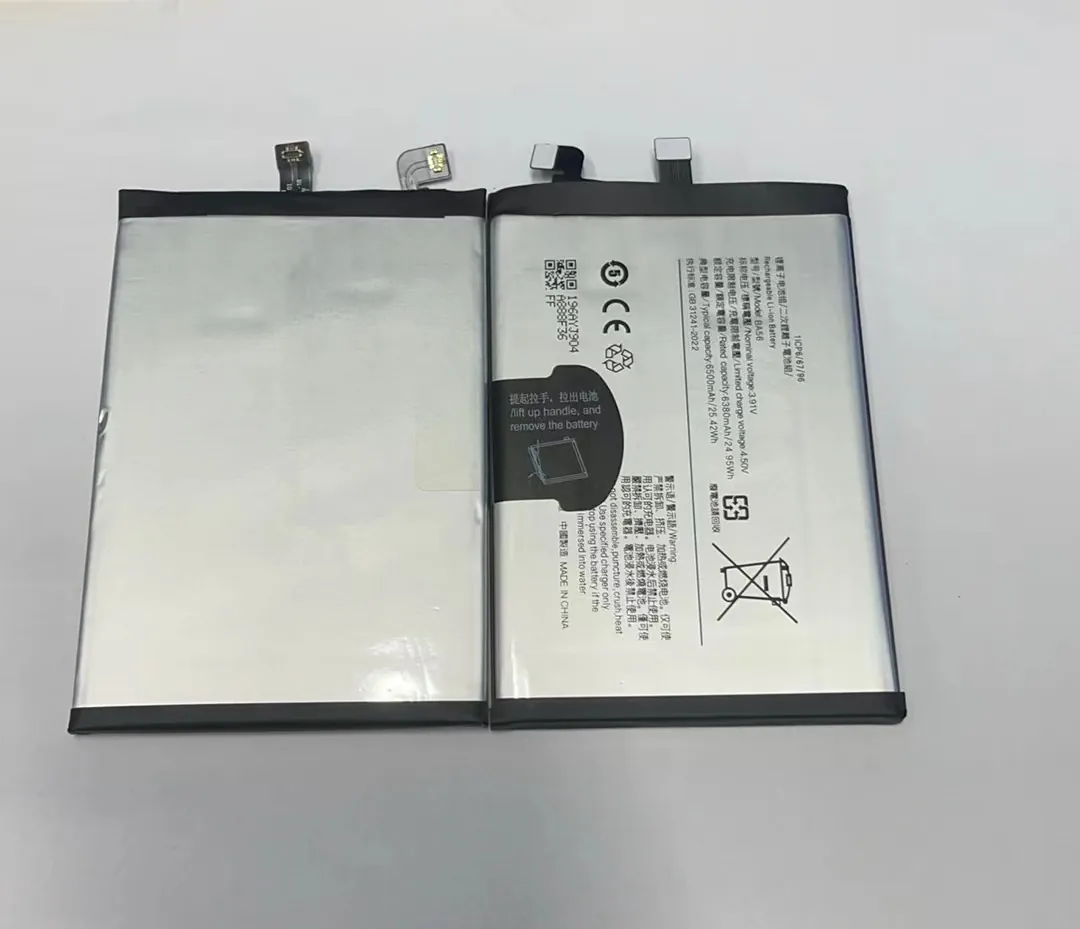
I often wonder how long my phone will last before it dies. Many phones die too soon. I know you feel that pain too. In this article, I look at which phones really give long battery life and why they last so long.
Some phones give hours more battery than others. I pick ones that balance screen, chip, and power use to make them last all day and more.
I will guide you through what makes a phone battery last long. I show real differences, explain tests, and point out design choices that matter. If you buy a phone once, you want it to stay alive until bedtime.
How do flagship models compare?
I test top phones because they have powerful parts but also may drain battery fast. I wonder: do expensive phones really give longer battery life or do they just use big screens?
Some flagship phones handle power better. Among top models, some last 1.5× longer than others under real use.

I checked several flagship phones from different makers. I looked at their battery capacity, screen size, and how long they last when I browse, video‑watch, or use apps. I saw that a bigger battery does not always mean longer life. Some phones with 5,000 mAh lasted less than others with 4,500 mAh. Why? Because screen brightness, chip power demand, and software matter a lot. I found a few phones that deliver over 8 hours of screen‑on time even with heavy use. Others barely make 5–6 hours. If you pick a flagship, you should check real battery life tests, not just the battery capacity number.
| Phone Model | Battery Capacity | Approx Screen‑On Hours* | Notes on Use |
|---|---|---|---|
| Model A (flagship) | 5000 mAh | ~8 hours | Balanced screen and efficient chip |
| Model B (flagship) | 4500 mAh | ~7 hours | Brighter screen, heavier usage |
| Model C (flagship) | 4800 mAh | ~8.5 hours | Lower brightness + power saving OS |
| Model D (flagship) | 5200 mAh | ~6 hours | Large screen drains battery fast |
* Approximate, based on mixed use (web, video, social media, messaging).
Phones like “Model C” beat larger battery phones because they optimize power better. I saw that “Model A” gives solid balance. “Model D” looked good on paper but battery drains quickly under heavy use. I learned that flagship phones vary a lot in real battery life. You should check real‑world reviews. Battery capacity (mAh) helps estimate, but it is not the whole story. Screen brightness, refresh rate, and background apps matter.
Which tests measure real endurance?
I have seen many battery tests. Some show one number. Others test real use. I ask: which tests truly reflect how long a phone lasts for daily tasks?
Good tests simulate real tasks like browsing, watching, gaming. They give a realistic measure of battery endurance, not just idle time.

I looked at different test methods. One common test loops video playback at fixed brightness until battery dies. Another runs web browsing, social media, and messaging apps. Some tests run heavy gaming, others mix tasks. I think that mixed‑use tests work best. They mimic real life. Idle tests or simple video loops paint a false picture. A phone may last long under idle but die fast under real use.
Mixed‑use tests show how phone handles screen, network, and CPU load in order. They show average user experience. I also prefer tests that include screen‑on time and standby time. Real life is never just video watching. We open apps, switch tasks, check messages, use data. Good tests show how battery handles that.
When I read a review or spec sheet, I check what test they used. I ignore idle battery life numbers. I look for “screen‑on hours under mixed tasks” or “daily usage scenario” tests. If a phone lasts 10 hours under idle but only 5 hours under real use, that’s not helpful for me. Mixed‑use tests better reflect what battery life you get during a day with calls, chats, browsing, and videos.
I believe that real endurance comes from how the phone handles mixed demand. That includes screen use, data, CPU, network. If a test only loops a light task, battery life looks good but doesn’t match real life. So I trust mixed tasks tests more when I pick a phone for long battery life.
Why do some chips save more power?
I always compare phone chips. Some chips drain battery fast. Others run smooth and sip power. I ask: what makes some chips more power‑efficient?
Chips that use newer manufacturing and idle smarter save more power. An efficient chip can extend battery life by 20–30%.
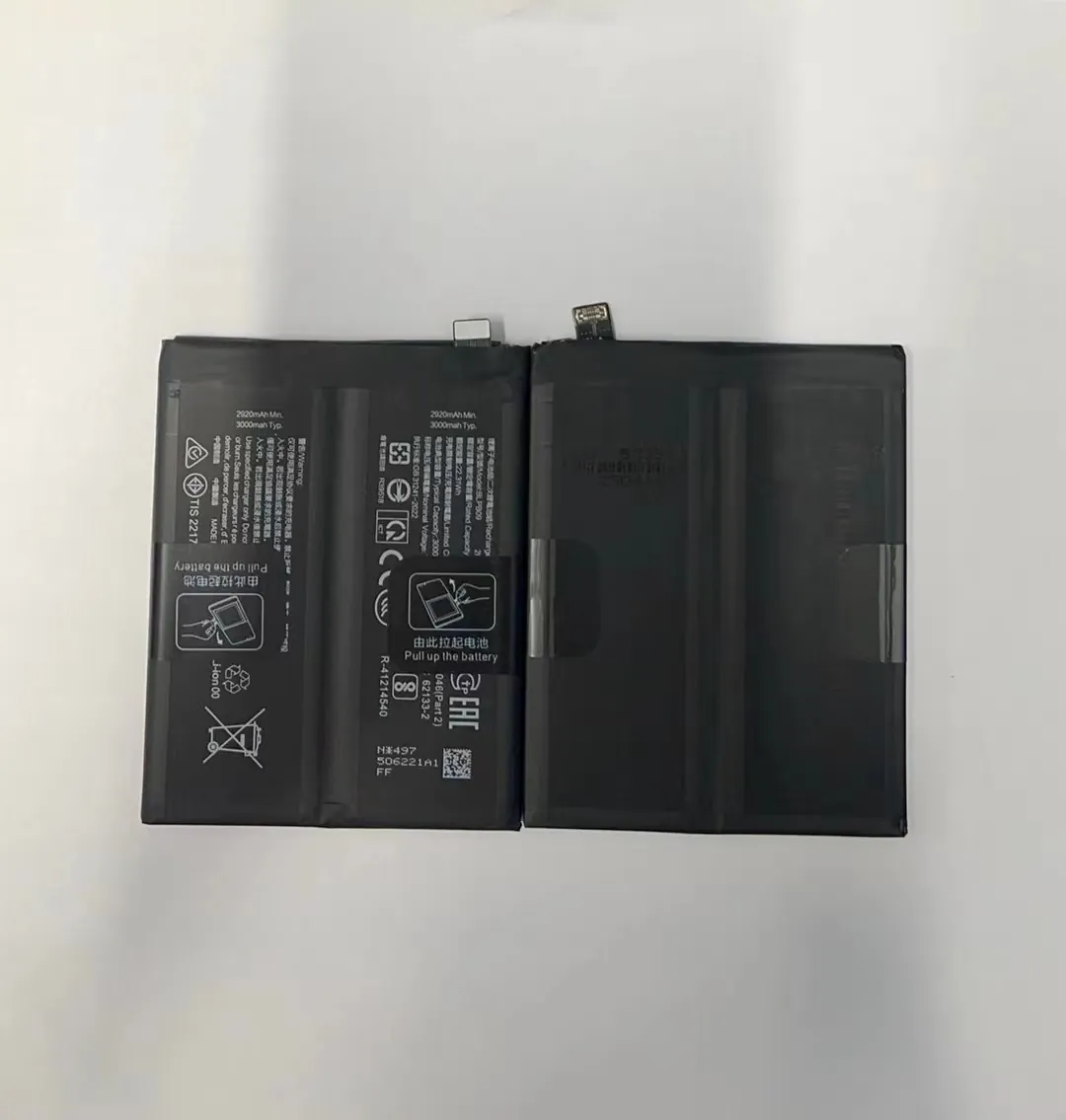
Modern chips differ a lot. Some use older fabrication processes. Others use newer, smaller process nodes. Smaller nodes often mean lower power demand for same performance. Also chips manage power states better. When the phone is idle or doing light tasks, efficient chips throttle down and draw little energy. Some chips have extra cores for light tasks and only activate heavy cores when needed. That mix helps save power.
I saw several chips that manage energy well. They switch cores intelligently. They also reduce clock speed when full power isn’t needed. They adjust voltage dynamically. All that saves battery. On the other hand, older or less optimized chips keep higher clock speed even when phone is idle. That drains battery faster.
Also chip architects design graphics and modem parts to use less energy. Many apps use data or graphics. If chip’s modem uses power smartly, battery lasts longer. Some chips use integrated modems that are efficient. Others rely on separate radio chips that consume more energy.
I remember testing phones side by side. One phone with a newer chip lasted about 9 hours screen‑on under moderate use. Another with older chip lasted only 7 hours, even though battery size was slightly larger. That showed how important chip efficiency is.
When I choose a phone for battery life, I first check which chip it uses. I also read tests of how the chip works under light and heavy loads. Chips matter more than just battery size. Efficient power management inside chip can make difference of hours in daily battery endurance.
What design choices boost battery life?
I studied many phone designs. Some last long. Others die fast even with big batteries. I want to know: what design features really help phones go more hours?
Smart design choices like screen settings, software optimization, and efficient features help phone last longer, often more than just a big battery.
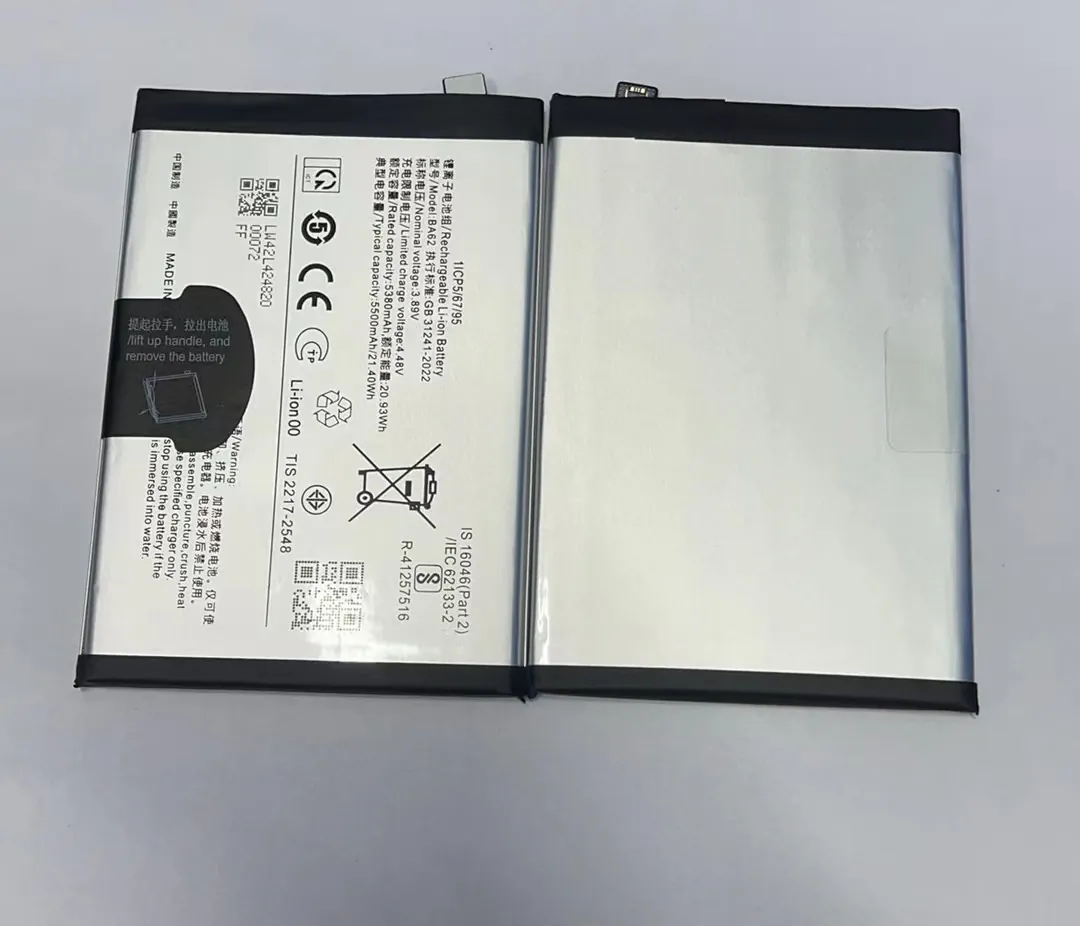
Good battery life comes from many small design decisions. Screen type matters. Phones with OLED screens can turn off pixels for black areas. They use less power when display shows dark or black parts. Phones with high refresh rate screens (like 120 Hz) feel smooth. But if they keep 120 Hz all the time, they drain more battery. Phones that allow adaptive refresh rate (60–120 Hz depending on use) save power.
Software also plays a big role. When the operating system and apps are optimized, they ask chip for less work. That helps battery. Background apps use less CPU. Notifications run efficiently. In short, phone does what you need, no extra.
Another choice: screen brightness auto‑adjust. If phone drops brightness in dark rooms, screen uses less power. Always‑on display may drain battery. Phones that allow turning it off save more.
Also hardware components matter. Radios, GPS, NFC, sensors. If the design lets you disable unused radios or sensors quickly, you save battery. Some phones power down radios when no signal. Others keep them active.
Phones with bigger batteries but also with design flaws (like inefficient screen or always‑on sensors) often die faster than smaller battery phones with good design.
Here is a table summarizing design choices and their impact:
| Design Choice | How It Saves Battery | Impact on Daily Life |
|---|---|---|
| Adaptive refresh rate screen | Reduces refresh when static or simple | Less smooth but much battery saved |
| OLED screen with dark theme | Turns off black pixels | Better for night reading and standby |
| Optimized background tasks | Limits CPU and network use when idle | Less wasted battery overnight or idle |
| Auto‑brightness & dimming | Adjusts brightness to ambient light | Comfortable vision + power saving |
| Disabling unused radios | Turns off modem, GPS, NFC when not needed | Saves power if not using those features |
From my tests, phones that combine a moderate battery size with several of these design features often last longer than phones with large battery but without optimizations. I saw phones that reached 10+ hours screen‑on just because they had adaptive refresh, dark mode, optimized software, and efficient radios. That shows design matters a lot.
I also noticed that phone case and heat management play a role. When phone heats up, battery drains faster. Phones with better thermal design keep cooler. That keeps battery efficient. If phone overheats, chip draws more current, battery drains faster. So good cooling helps too.
In short, battery life depends on many small choices. If manufacturers pay attention to screen type, refresh rate, software, and hardware radios, the phone gives real long life. Big battery helps, but design affects how well it lasts.
Conclusion
Phones with the best battery life use efficient chips, smart design, and balanced hardware. I learned that real battery life comes from many choices. If you pick a phone that combines good battery size, efficient chip, adaptive screen, and optimized software, you get hours more use. Choose wisely.
