
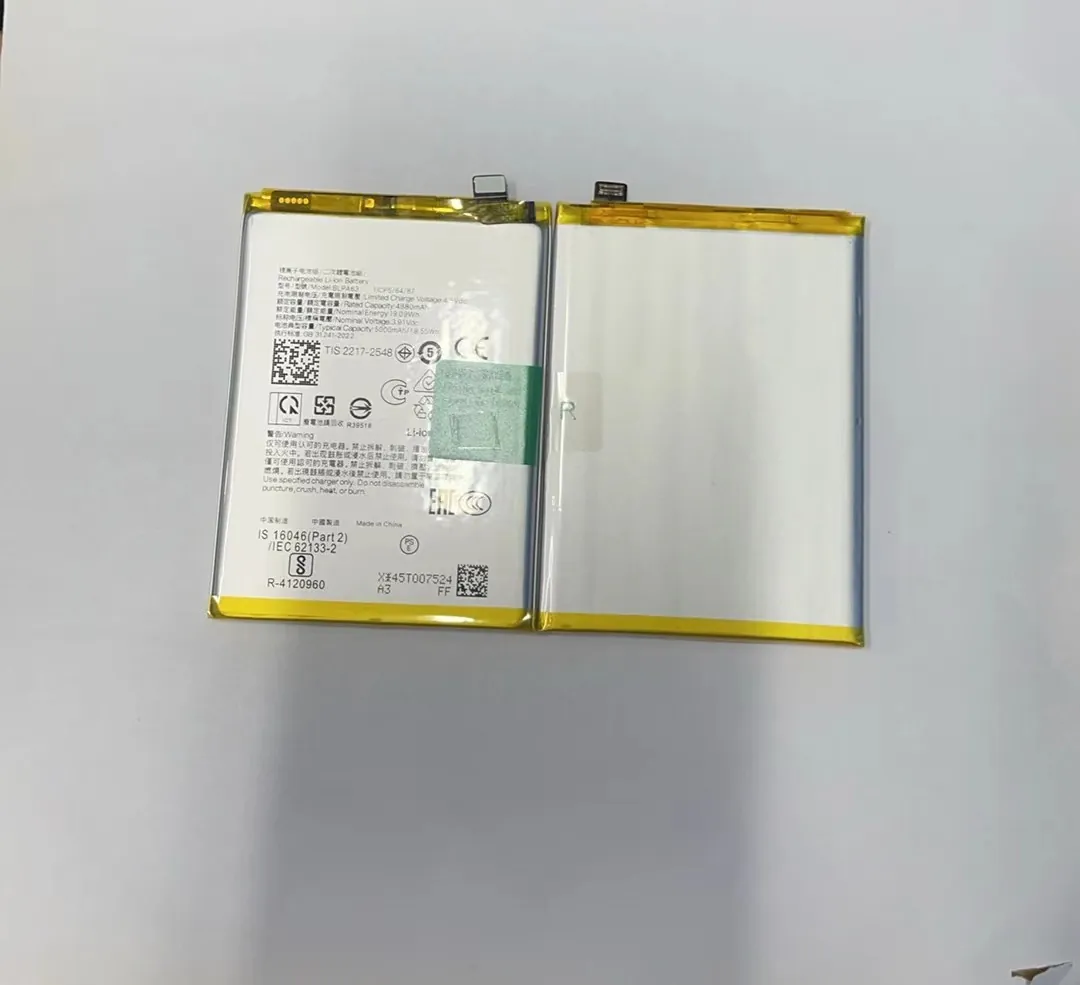
I see many users struggle with phones that die too fast, and this stress grows when people use their devices for long hours each day.
The Virgin Mobile phone with the best battery life is usually the model with the biggest battery capacity, optimized software, and efficient hardware. Phones that focus on power-saving chips often lead the list.
I want to show how I look at different Virgin models, why some last longer, and how simple tests help me compare them in a clear way.
Which Virgin models lead in endurance?
I know how frustrating it feels when a phone battery drops fast during work or travel, especially for users who depend on long standby hours.
The Virgin models that lead in endurance are often mid-range phones with large batteries, simple screens, and efficient processors that draw less power.
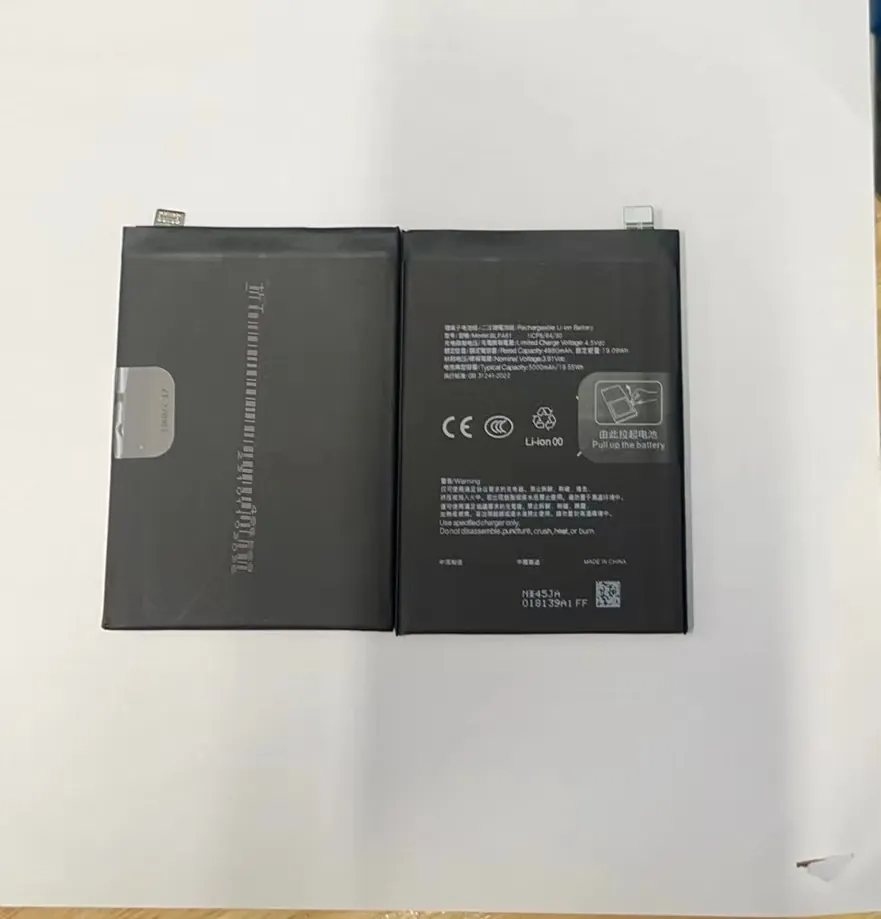
How endurance differences show up in real use
I study battery performance often because my customers ask me which models hold up during long repair cycles or long testing days. I look at real runtime first. I do not trust only official numbers because they do not show how a phone behaves in daily tasks.
I see endurance patterns repeat across many Virgin models. Phones with 5,000 mAh or larger batteries usually stay alive longer. Phones with smaller screens and lower refresh rates also last longer. Phones with mid-range chipsets sometimes beat flagship ones because those chips run cooler and need less power.
To make this clear, I break down the typical factors I see in my workshop:
| Factor | Effect on Battery Life | Notes |
|---|---|---|
| Battery capacity | Strong effect | Bigger battery is better in most cases |
| Screen refresh rate | Medium effect | 60Hz lasts longer than 120Hz |
| Chip efficiency | Strong effect | Mid-range chips often use less power |
| Software | Medium effect | Clean software drains slower |
I notice these patterns not only during tests but also when I handle warranty claims. Phones with bigger batteries come back less often with early battery wear. People who buy larger-battery models also tend to report fewer sudden shutdowns. I also track charge cycles during my own testing, and I see that phones with optimized shutdown curves keep stable runtime for a longer period.
Why endurance leaders matter for heavy users
I speak with many customers who run repair shops and use a phone for long hours each day. They need stable power when they test tools, screens, or apps. Phones with long runtime help them work without constant charging. This reduces battery stress, avoids heat, and helps the battery last more cycles.
From what I see, Virgin Mobile users who need long battery life often prefer models with simple hardware. These phones save power because they do not push extreme performance. They are stable, predictable, and easier to maintain.
How do specs influence runtime?
Many users feel confused when they look at long spec sheets because the numbers do not always match real battery life.
Specs influence runtime through four main things: battery size, chip efficiency, screen type, and software behavior. Bigger batteries and cooler chips often give the longest runtime.

How I break down spec sheets during testing
I check spec sheets almost every day because customers ask me to help them compare models. I usually study four parts first:
1. Battery size
This is the most direct factor. A 5,000 mAh battery lasts longer than a 3,000 mAh one. But capacity alone is not enough. Some phones drain fast even with large batteries because the screen or software is power-hungry.
2. Chip efficiency
I often see mid-range processors beat flagship processors in battery time. High-end chips run hot because they push performance, and heat makes them use more power. Efficient chips keep stable power usage under simple tasks.
3. Screen type and brightness
OLED screens save power in dark mode. LCD screens use steady power all the time. Brightness also matters. High brightness drains fast, so I always test screens at medium levels to make results fair.
4. Software
Some phones run heavy background tasks. Apps refresh too often or track too many things. This drains power quietly. Clean software with fewer auto-start apps keeps the phone alive longer.
Here is a simple table I use when I help customers compare phones:
| Spec | Low Drain | Medium Drain | High Drain |
|---|---|---|---|
| Battery size | 5000 mAh | 4000 mAh | 3000 mAh or lower |
| Screen | 60Hz LCD | 90Hz LCD | 120Hz OLED or higher |
| Chip | Mid-range | Balanced | Flagship high-performance |
| Software load | Clean | Medium apps | Heavy background tasks |
I write these factors because I see them every day when I test parts. Runtime does not come from one factor. It comes from balance. A phone with a medium battery can beat a big-battery phone if the software is clean and the chip runs cool.
When I compare Virgin Mobile phones, I try to match specs with real user habits. If someone scrolls social media all day, I look at screen efficiency. If someone watches videos, I look at brightness control and chip temperature. The right spec combination gives a smoother experience without daily recharging stress.
Why do some devices last longer?
I hear this question many times when people compare two phones with similar batteries but different endurance.
Some devices last longer because their chips run cooler, their screens use less power, and their software reduces background tasks. The whole system matters more than one single spec.
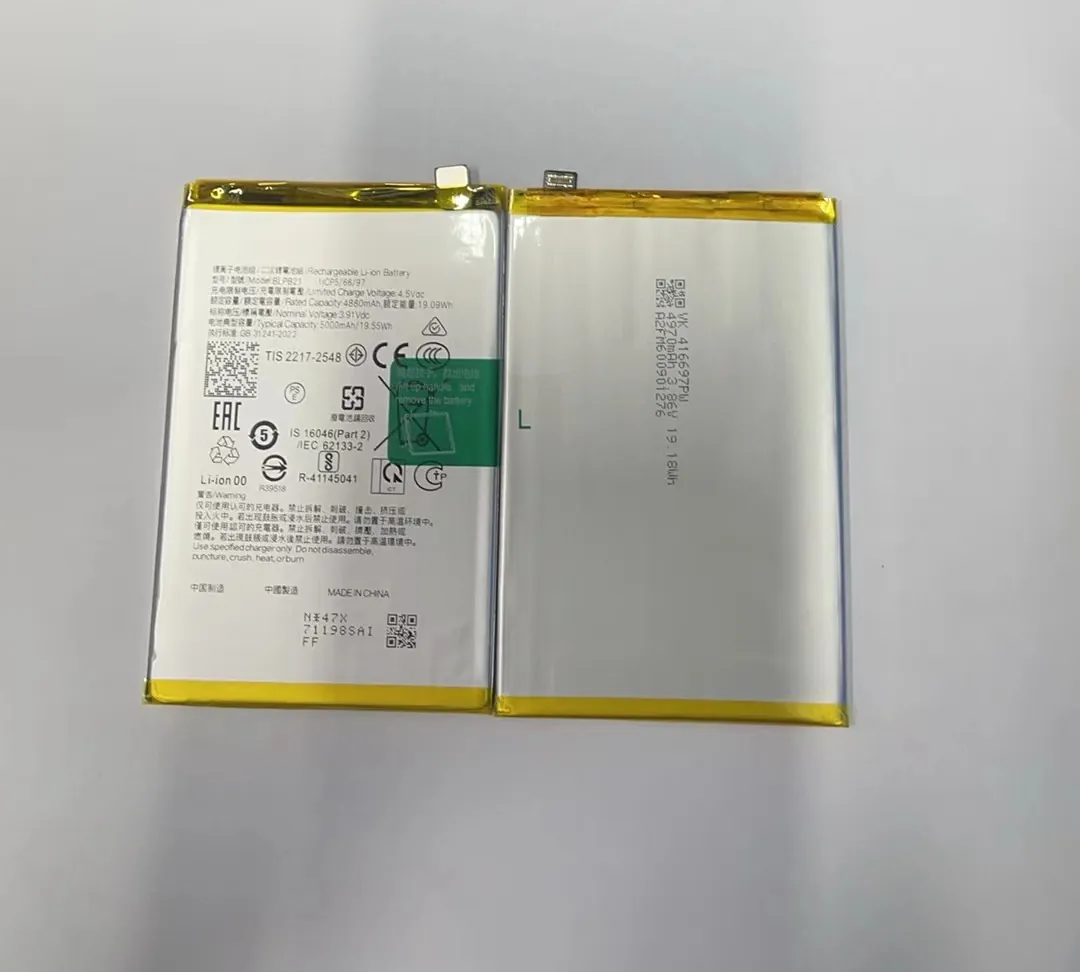
Why real runtime depends on balance, not just battery size
I spend a lot of time testing and repairing phones, and I see the same pattern again and again. Phones with simple hardware often outlast phones with big batteries. This looks strange at first, but it becomes clear when I check deeper.
Thermal behavior
Heat kills battery time. When a phone gets hot, the chip reduces efficiency and uses more power. I test phones on long video playback sessions, and I often see heat buildup reduce runtime by hours. Cool chips last longer.
Screen brightness
Brightness is one of the biggest power consumers. Even efficient OLED screens drain fast at high brightness. I teach customers to set auto-brightness because it improves runtime a lot.
Network signal
Weak signal makes the phone search for connection. This drains power quickly. Some users think their battery is bad, but the real problem is the signal. I learned this after many complaints that disappeared once the user moved to a good signal area.
Background tasks
Some apps restart in the background and keep using data or GPS. Many users do not notice this. Clean software builds longer battery life because it stops apps when not needed.
Charging habits
I also look at charging behavior. Fast charging creates heat. Heat speeds up battery wear. Phones that stay cool during charging usually keep better battery health after long use, which leads to longer practical runtime.
When I open phones during repairs, I see battery wear patterns. Phones that use heavy chips or high-refresh screens often show stronger wear after months of use. Phones that use simple screens and moderate chips show more stable wear levels.
This is why some models perform better even when numbers look similar on paper. Real battery life depends on the whole power system.
What tests compare Virgin batteries?
People ask me what test method is the most fair because many reviews show different numbers.
Tests that compare Virgin batteries include screen-on tests, video loop tests, standby tests, and mixed-use tests. These tests measure different parts of real use and make results easier to understand.

How I run battery tests in my daily work
I run simple and repeatable tests because I need results that I can compare across many models. I avoid complicated tools because normal users do not use them. I want my tests to match real life as much as possible.
Screen-on test
I set brightness to a medium level. I disable auto-brightness. I open a simple webpage and scroll every few minutes. This test shows how the screen drains power during daily use.
Video loop test
I play the same video on all phones. I set the volume to the same level. This test shows endurance during multimedia use. Many users watch videos often, so this test reflects real use.
Standby test
I leave the phone on at night with WiFi on. I check battery drop in the morning. This test shows how well the phone handles background tasks.
Mixed-use test
I switch between browsing, video, and social apps for hours. This test looks at the whole system. It shows how the phone behaves in long real-world sessions.
I trust mixed-use tests the most because they match normal user behavior. When I help customers choose phones for long workdays, I look at mixed-use time first.
I learned that different models behave differently depending on test type. Some phones do well on video but drain fast on browsing. Some hold long standby times but drain fast during screen-on sessions.
I record results carefully. I also note heat levels because heat changes power use. I see that phones with efficient chips stay cool during long runs and last longer. Phones with heavy chips get warm and drain fast.
I use these tests because they give clear results even when spec sheets look confusing. They help me explain to customers why one Virgin model might fit their needs better than another.
Conclusion
Virgin Mobile phones with the best battery life usually combine large batteries with efficient chips, simple screens, and clean software. Real runtime comes from balance, and careful testing helps show which models last longest in daily use.
