

I see many users worry when their phones drain fast, and I feel the same when my own device struggles.
Most mobile phones last between 6 and 10 hours of active screen time, and many offer about one full day of mixed use on a single charge. Real results depend on battery size, chip efficiency, and daily tasks.
I want to explain this in simple words so readers can understand why their phones last longer or shorter than expected and how different factors change the final number.
Which factors change average runtime?
I know many people get confused when their phones drain faster than others, and this can lead to stress.
Battery runtime changes because of battery size, chip efficiency, screen type, refresh rate, software optimization, network strength, and user habits. Each part affects power draw in a direct way.
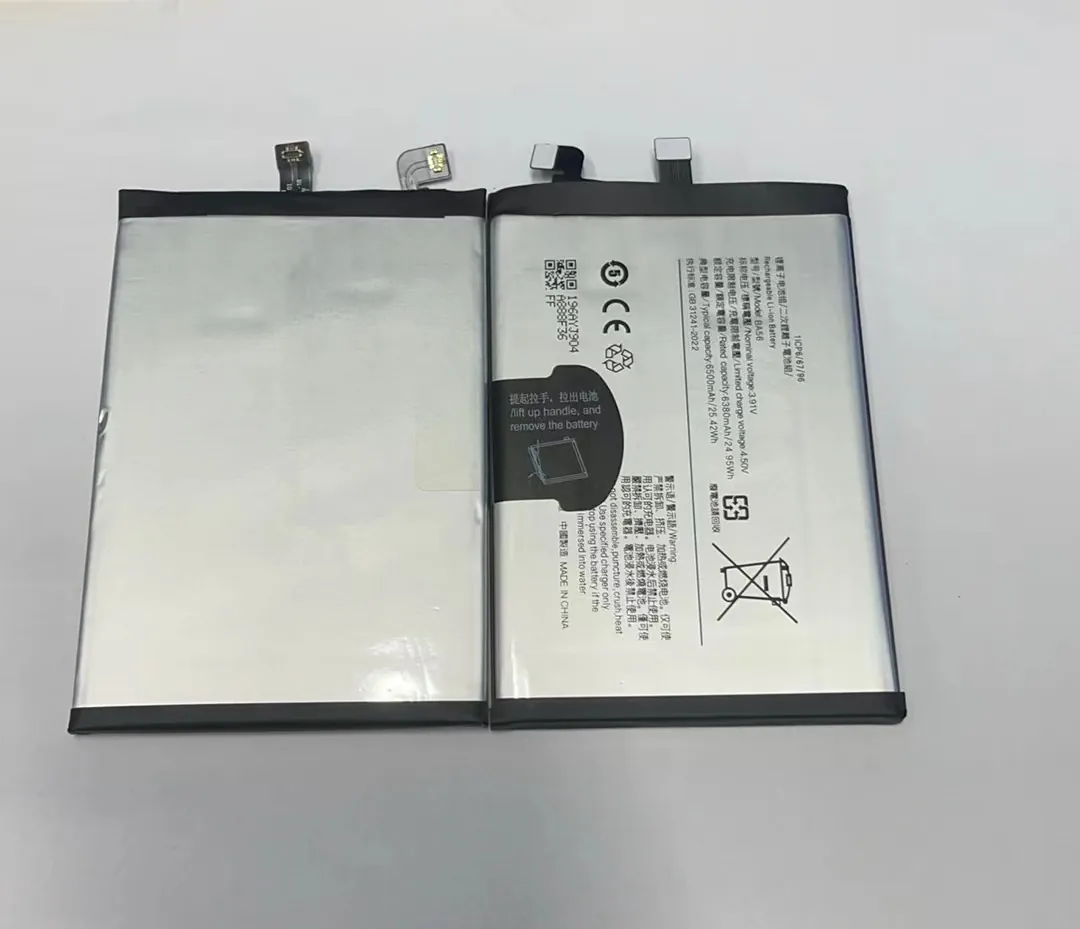
When I talk with customers, I see the same questions again and again. They want to know why two phones with similar capacity drain at very different speeds. I explain this in a simple way: every piece inside the phone eats power. Some eat more, some eat less. I want to break this down so readers can see how each part shapes the final runtime.
Battery size and chemistry
Larger batteries store more energy. A phone with a 5000mAh battery can hold more charge than one with a 3000mAh battery. But capacity alone does not promise longer life. Two phones with the same capacity can perform differently if one has a more efficient processor. Modern lithium-ion cells also age with time. I notice this in my own older devices. After one to two years, the battery holds less charge, and I need to recharge earlier in the day.
Screen brightness and refresh rate
The screen uses more power than almost any other part. High brightness increases drain very fast. High refresh rate screens, like 90Hz or 120Hz, also draw more power compared to 60Hz screens. When customers test their phones side by side, they often think something is wrong, but the real cause is a more power-hungry display.
Processor efficiency
A power-efficient chip can stretch the same battery for more hours. Two phones may have the same capacity, but the one with a newer chip often lasts longer. This happens because small changes in chip design reduce heat and power use. I see this often when I compare different generations of phones in my own work.
Software and background activity
Software controls how apps use energy. Some phones handle background tasks better than others. A well-optimized phone closes tasks that are not needed. A poorly optimized one keeps apps awake longer. This is one reason why some users complain about fast drain after system updates.
Network and signal strength
Weak signal forces the phone to boost its antenna power. When someone lives in an area with poor reception, the battery drains fast even if the person barely uses the phone. I see this most often with customers who live in rural areas.
Table: Main factors that change runtime
| Factor | How it affects runtime |
|---|---|
| Battery size | Larger size gives more stored energy |
| Screen | High brightness and refresh rate drain fast |
| Processor | Efficient chips reduce drain |
| Software | Better optimization saves power |
| Network signal | Weak signal increases power draw |
I use these points to help customers understand why runtime changes from phone to phone. When they see each factor clearly, they can also change their habits to improve battery life.
How do tasks affect daily usage?
Many users get surprised when their phones last long on some days and drain fast on others.
Heavy tasks like gaming, video recording, and GPS navigation drain the battery fast, while light tasks like texting or reading drain slowly. Daily usage patterns change total runtime more than battery size alone.
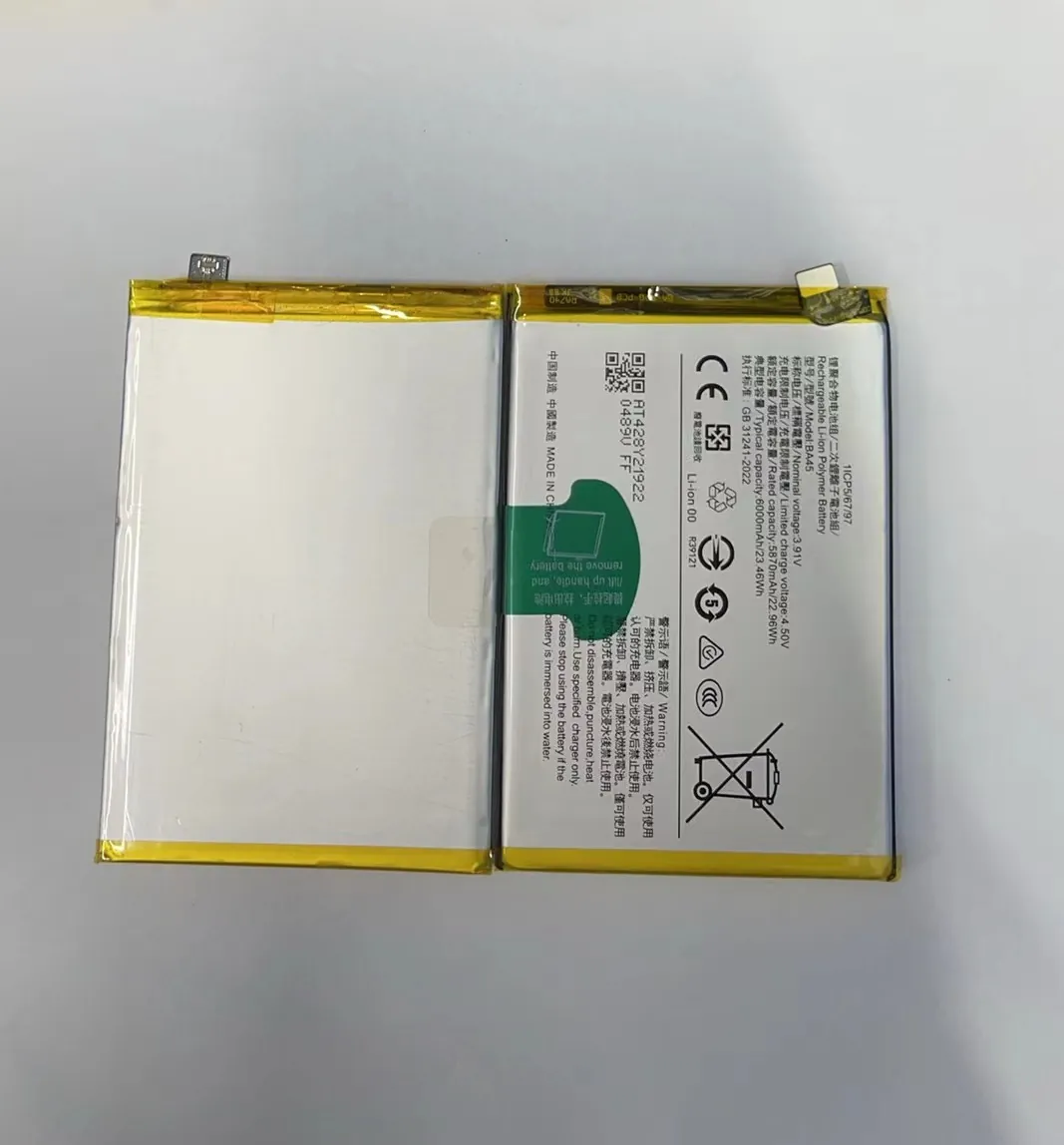
When I use my own phone, I notice that the type of task matters even more than how long I use it. Some tasks feel simple, but they push the chip and screen very hard. I want to explain why this happens and how each task draws power.
Light tasks vs heavy tasks
Light tasks include texting, messaging, reading articles, and checking emails. These tasks use the screen and some processing, but the phone stays cool. The battery drains slowly. Heavy tasks include gaming, streaming high-resolution video, video calls, and editing photos or videos. These tasks use the chip, screen, GPU, modem, and sometimes sensors. They make the phone warm, and the battery drains fast. When a customer says, “My phone drains in three hours,” I first ask, “What were you doing?” The answer often explains everything.
Multitasking and background apps
Multitasking pushes the phone even harder. When someone switches between many apps, the processor works more. The system must keep apps alive in memory. This increases power draw. Some apps also run background processes. Social media apps might check for updates, location services might request GPS data, and cloud apps might sync photos. Each small task draws a little power, and the total drain can be large.
Network-heavy tasks
Tasks that use mobile data draw more power than tasks that rely on Wi-Fi. When I download files on mobile data, I see the battery drop faster. Video calls and live streaming also use the modem and camera together. This pushes the phone much harder.
Table: Different tasks and power impact
| Task type | Power impact |
|---|---|
| Texting | Low |
| Reading | Low |
| Video playback | Medium |
| Browsing | Medium |
| Gaming | High |
| Video call | High |
| GPS navigation | High |
I give this simple explanation to customers because many do not know that tasks control runtime more than anything else. When they change their usage habits, they often see clear improvements.
Why do models vary in longevity?
I talk with customers every week, and many are confused about why two new phones from the same year can have totally different battery life.
Different phone models use different batteries, chips, screens, software, modems, and cooling systems, so their battery life varies even if the capacity looks similar on paper.
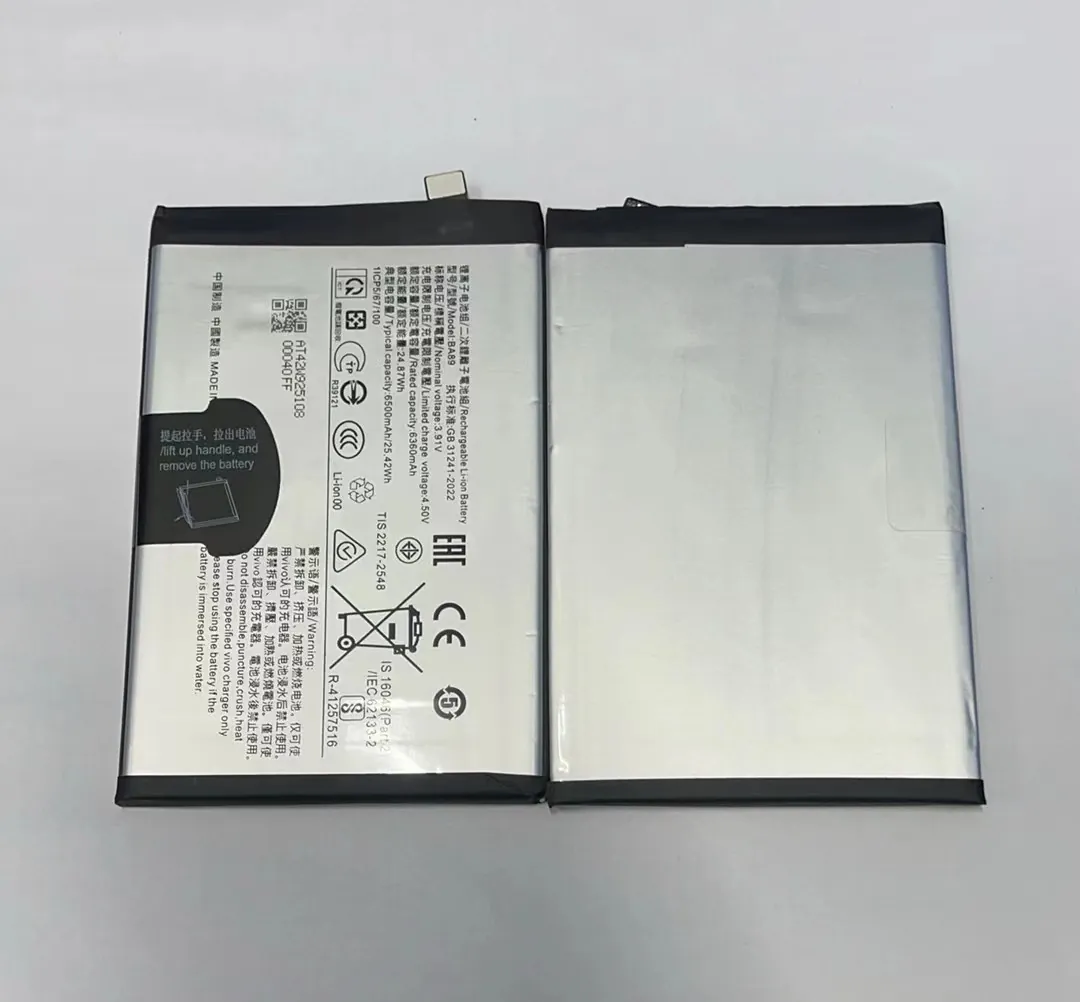
I think it helps to break this into simple parts. When a phone brand releases many models each year, each one has a different design goal. Some phones focus on speed. Some focus on thin bodies. Some focus on low cost. These choices change battery life.
Internal design and battery size
A thin phone has less space for a large battery. A gaming phone has more space and better cooling. Budget models may use older chips that drain more power. I learned this lesson after comparing many samples for my business. A 5000mAh battery in one phone performs better than the same 5000mAh battery in another phone because the internal structure handles heat and power draw more efficiently.
Chipset and software
High-end chips can be fast and efficient. Low-end chips can be slow and inefficient. Some brands also optimize their software better. When I test phones for customers, I see huge differences between models even from the same brand.
Screen size and brightness
A phone with a large 6.8-inch screen drains faster than a phone with a small 5.8-inch screen. This is because more pixels need more power. High brightness modes also drain faster. I often show customers side-by-side comparisons to explain why their newer, bigger phone drains quicker than their old one.
Cooling system
Heat affects battery drain. A phone with a better cooling system can run heavy tasks without overheating. When the phone stays cool, the system does not need to throttle performance. This helps reduce power spikes.
Modem and network bands
Phones that support more network bands or faster 5G systems may draw more power when used in areas with strong or weak signal. This is one of the most common reasons for differences in battery life between similar models.
When customers understand these points, they stop thinking something is wrong with their phones. They see that each model is designed for different needs.
What tests measure battery hours?
Some users read online test results and do not know what the numbers mean.
Battery tests measure screen-on time, video playback time, browsing hours, standby drain, and mixed-use cycles to estimate total battery life under controlled conditions. These tests show how long a phone lasts in repeatable tasks.

I want to explain these test methods because many customers read “10-hour test result” or “7-hour SOT” but do not know how these numbers are measured. I use simple words so they can understand what each test means.
Screen-on time (SOT)
Screen-on time means how long the screen stays active before the battery reaches zero. Reviewers test this by running apps until the phone dies. SOT is one of the most popular ways to compare phones. But it changes a lot based on brightness, apps, and network.
Video playback test
This test loops a video at fixed brightness. The phone plays the video until the battery dies. This is simple and easy to compare across models. Many phones last longer in video playback because the workload is stable.
Web browsing test
This test loads websites again and again to measure how long the phone can browse. It uses the screen, processor, and network in a steady pattern.
Gaming test
Gaming tests push the phone hard. They stress the GPU, chip, and screen. Phones with good cooling score higher in these tests. When I show customers these results, they see why gaming drains their phones so fast.
Standby drain
This test checks how much battery the phone loses when it is not used. A good phone loses very little power during standby. Background apps and network tasks change this number.
Mixed-use tests
These tests mix browsing, calling, video, music, and standby to create a “real-world estimate.” This is close to how people actually use their phones.
I always tell customers to look at several test types, not just one. This gives a clear picture of how the phone performs in real life.
Conclusion
Most phones last a full day, but the real runtime depends on usage, hardware, and software. When people understand these factors, they know how to choose better models and use their phones in smarter ways.
