
When your phone battery drains fast, it feels urgent. You want a solution that lasts long and stays safe.
The best approach balances speed, care and smart habits. A mix of slow or moderate fast charging, mid‑range battery levels, and prudent charging habits tends to maximize battery life over time.
Let’s walk through key ideas to help you keep your battery healthy and long‑lasting.
How do slow and fast charging differ?
Slow charging and fast charging vary in speed, heat, and long-term impact.
Slow charging is gentler on the battery. Fast charging is quick but may stress battery if overused.
What happens inside battery during charge
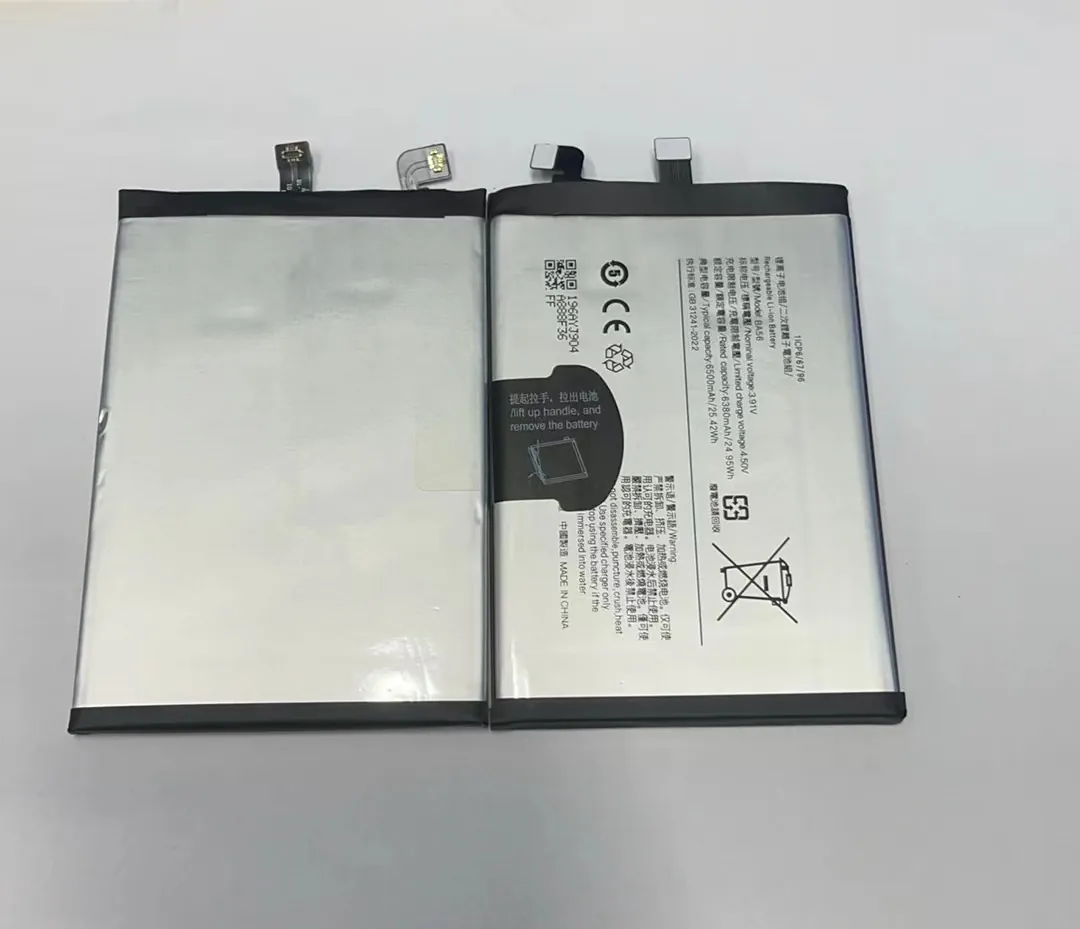
When a phone charges slowly, the current flows gently. Battery chemicals adjust slowly. Heat stays low. This makes battery wear minimal. Over many cycles, a slow charge keeps battery healthy.
Fast charging uses higher current or voltage. The battery fills faster. But chemicals inside change quickly. That can cause more stress inside the battery pack. It also raises temperature. Heat speeds up wear. Over time, fast or over‑fast charging may reduce the battery’s capacity more quickly.
Comparison of charging types
| Charging type | Speed | Heat level | Long term impact |
|---|---|---|---|
| Slow / standard | Moderate | Low | Battery lasts longer |
| Fast charging | High | Medium to High | Faster wear and capacity drop |
The table shows the trade‑off clearly. Slow charging may take more time. But it uses gentler current. It produces less heat. That helps battery last longer. Fast charging offers quick top‑up. It saves time when you are busy. But repeated fast charging can shorten battery lifespan.
When fast charging makes sense
Fast charging is useful when you need a quick boost. For example, you forgot to charge overnight. Or you must leave soon. In that case, fast charging fills battery quickly. Then you can unplug and use. As long as you do not fast‑charge every time, battery damage stays low.
What if you fast‑charge often
If you connect to fast charger daily, battery stays hot or runs under stress. Internally, wear builds up. Capacity drops. Battery may swell or fail earlier. So avoid always using fast charging when a standard one works.
In summary, slow charging is a safe default. Use fast charging only when needed. That helps balance convenience and battery longevity.
Why maintain mid-range charge levels?
Keeping the battery between about 20% and 80% charge helps preserve battery health. This avoids stress at extremes.
Staying in mid-range avoids high voltage stress and deep discharge damage. It supports stable battery cycle life.

Why full 100% or low 0% are harmful
When a battery reaches 100%, the voltage is high. That high voltage puts stress on battery cells. Over time, this stress reduces capacity. It wears down the internal chemistry faster. On the other hand, letting battery drop too low also hurts. A deeply discharged battery can destabilize chemistry. That can shorten battery life or cause failure.
Many phone makers warn that keeping battery at full charge or running flat often reduces lifespan. The best path is to recharge before battery gets too low. And avoid leaving at 100% for long time.
Benefits of mid-range level
- Less voltage stress when battery is neither full nor empty.
- Lower heat build-up. Middle levels generate less heat under load.
- More cycles possible before battery wears.
These benefits help battery stay healthy for years. A mid-range target helps users avoid damage from extremes.
When mid-range charging fits daily life
You can plug in phone when battery drops to around 30–40%. Charge until about 70–80%. Then unplug. That small routine helps. Even if you are busy, quick top‑ups during day work well. You do not need full 100%. Overnight charge to 80% is enough.
Also, if you plug in just before going to bed, set a timer to stop around 80%. Many phones show alerts when full. That helps avoid overcharging and stress.
Table: Charge level range guide
| Battery level before charge | When to charge | Remove charger at |
|---|---|---|
| 20–40% | Yes | Around 70–80% |
| 0–20% | Use only if needed | 60–80% |
| 80–90% | Not needed | Avoid unless necessary |
This guide keeps battery in safe zone. It avoids extremes that shorten lifespan. These simple steps help battery last long.
Which habits prolong charging longevity?
Good charging habits matter. They support long battery life over months or years.
Avoid constant full charges, avoid deep discharges, avoid heat build‑up. Use moderate charging and unplug when convenient.
Simple habits that help
Below are strong habits to protect battery:
| Habit | Why it helps |
|---|---|
| Charge only to ~80% | Reduces stress from high voltage |
| Avoid letting battery drop to 0% | Prevents deep discharge damage |
| Remove charger when not needed | Avoids heat and overcharge stress |
| Use standard charger for daily use | Slower current is gentler on cells |
| Avoid phone use while charging | Reduces heat stress during charging |
The table sums up habits that work well. They help battery age slowly with time.
Keep phone cool during charge
Battery likes moderate temperature. Charging produces some heat. Phone also warms when apps run. If phone gets hot, battery deteriorates faster. So avoid heavy tasks while charging. For example, do not play games or stream videos during charge. Also avoid placing phone under pillow or in bed while charging. Keep it on a flat, hard surface for air flow.
Charge regularly but gently
Rather than waiting until battery drops low, give it gentle charge often. A small top‑up is fine. Frequent small charge cycles stress battery less than deep discharge and full recharge. This habit helps maintain capacity. It keeps battery healthy long term.
Avoid “just because” full charge
Many users plug phone in overnight every night. They do not check battery level. This results in many full‑charge cycles. That adds wear. If you can plug in before sleeping and halt around 80%, you save battery health. A nightly full charge is not always needed.
Treat battery life as long game
Smart habits do not show quick result. Battery may hold high capacity for months. Later wear slows. That builds reserve for years. Habits above make battery age slowly. Over time, you see difference. The phone lasts more cycles. Battery stays healthy longer.
Where does smart charging fit in?
Smart charging features automate good habits. They help users avoid misuse. They balance convenience and battery protection.
Smart charging systems curb charge speed or stop charge at optimal levels. They give balance between easy charging and battery health.

What is smart charging
Smart charging means phone or charger uses software/hardware to control charge. It may slow down charge near full. It may pause charging overnight. It may resume just before you wake. It may limit maximum charge to 80%. These moves reduce stress on battery. They help battery stay safe even with frequent charging.
Many phone brands now build such systems. They watch your daily routine. They adjust charging speed or final level. They try to deliver full battery when you need it. Yet they avoid high voltage or heat stress most of time.
How smart charging helps daily use
Smart charging gives two big benefits:
- Convenience. No need to track battery or set timers.
- Protection. Battery gets gentle charge or stops at safe level.
For busy users, smart charge offers a good compromise. You get enough battery when needed. Battery does not get over‑stressed.
When to rely on smart charging vs manual habits
If you often forget battery health, smart charging helps. Smart charging can handle safe charge and stop. But those systems are not perfect. They may misjudge schedule. They may still top battery to 100%. So good habits still matter.
For best result, use smart charging plus manual care. Combine auto features with conscious habits. For example, avoid heavy phone use while charging even if smart charging is on. Also avoid heat and deep discharge even if system protects from overcharge.
Quick checklist for smart charging setup
- Enable “limit maximum charge” if phone supports.
- Turn on “overnight charging optimization” if available.
- Use original charger or high quality charger.
- Avoid cheap or damaged chargers that skip safety controls.
This setup gives battery extended life and stable performance.
Conclusion
Balancing slow or moderate charging, mid‑range charge levels, good habits and smart charging gives best results. Follow these simple steps. Battery stays healthy longer and phone works better for years.
