

When your phone battery dies fast, frustration starts. We rely on our phones daily, but what happens when they cannot last even half a day?
A mobile phone battery can be bought from online marketplaces, physical repair shops, or directly from trusted suppliers specializing in tested and certified replacement batteries.
Most people search for quick and cheap options, but quality and safety matter more. Let’s see how to choose wisely, where to buy, and what future trends will change mobile batteries.
What is it?
Many people hear the term “mobile phone battery” but do not fully understand what it means. It is not just a power cell — it is the heart of your device that powers everything you do.
A mobile phone battery is a rechargeable energy storage unit that supplies power to smartphones and allows them to operate when not connected to a charger.
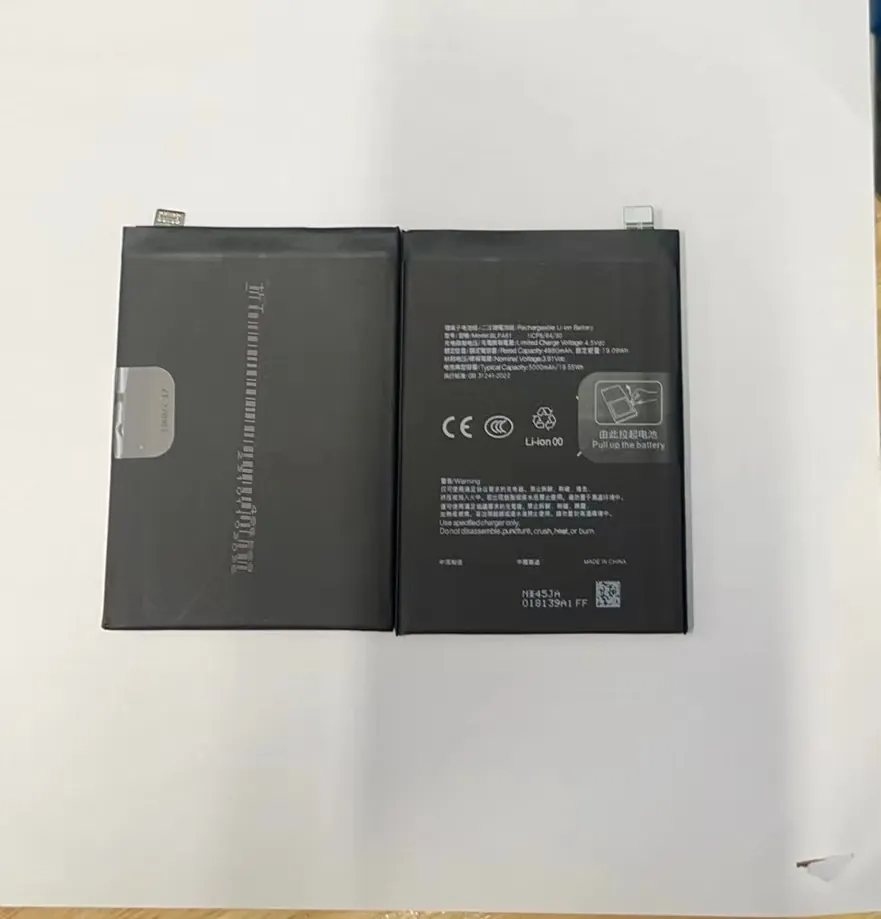
A phone battery uses chemical reactions to generate electricity. Most modern smartphones use Lithium-ion (Li-ion) or Lithium-polymer (Li-Po) batteries. These technologies are lightweight, compact, and can store a large amount of energy compared to their size.
Main Types of Mobile Phone Batteries
| Battery Type | Description | Common Use |
|---|---|---|
| Lithium-ion (Li-ion) | Most common, good capacity, durable | iPhone, Samsung, Huawei |
| Lithium-polymer (Li-Po) | Flexible shape, safer, lighter | Newer Android phones |
| Nickel-Metal Hydride (NiMH) | Older tech, heavy | Early mobile phones |
When I first started in the mobile parts business, I learned how much difference a small battery quality change could make. A poor-quality battery can overheat or drain too fast, while a good one performs like the original. That’s why I always tell clients — never treat a battery as a small thing.
A mobile phone battery’s design also includes a protection circuit, preventing overcharging and short circuits. Some batteries even have built-in smart chips that communicate with the phone to monitor temperature and charging cycles.
What is its value?
Sometimes people think a battery is cheap and easy to replace. But the truth is, it is one of the most valuable parts inside your phone.
The value of a mobile phone battery lies in its role as the main power source that determines phone performance, safety, and lifespan.
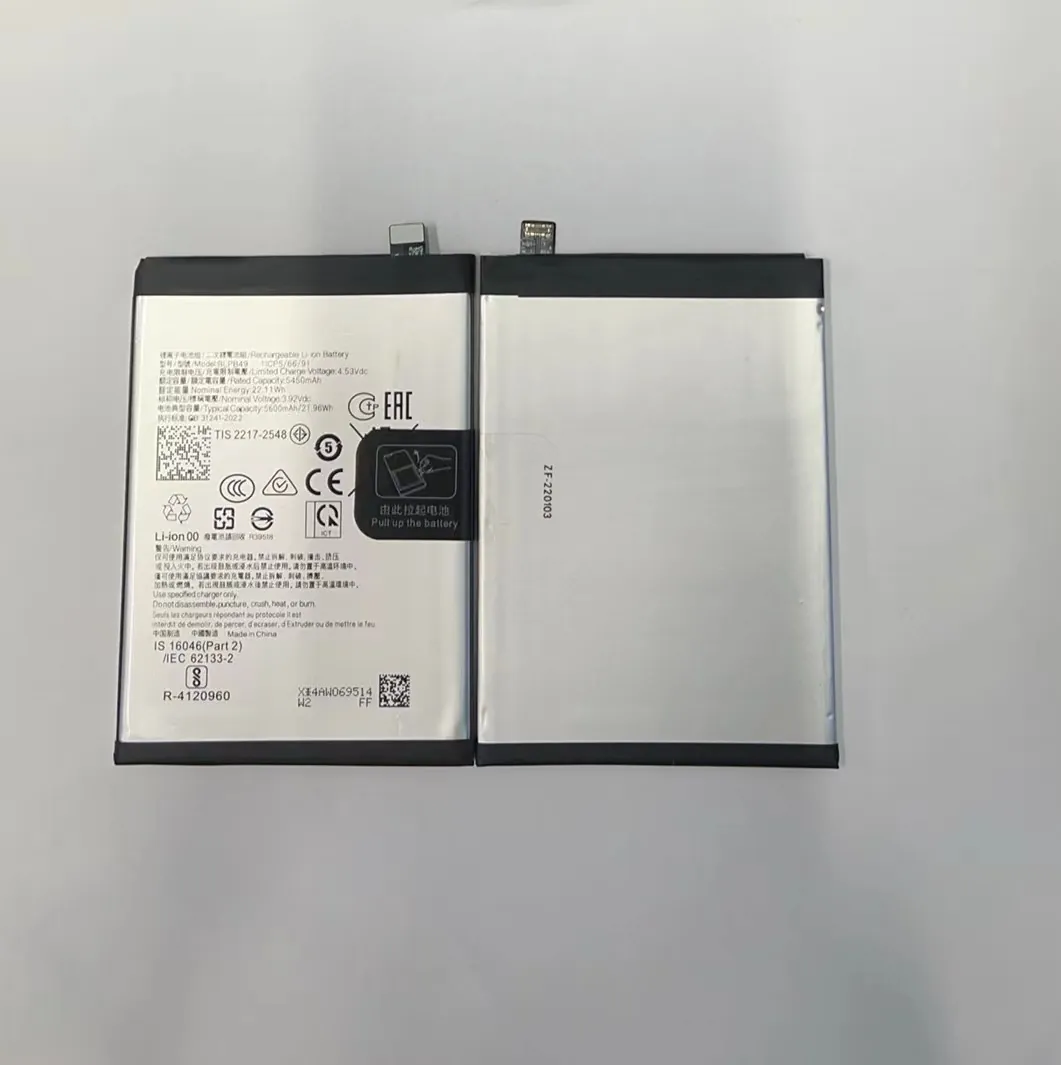
A phone with a weak battery becomes slow and unreliable. It may shut down randomly or heat up quickly. In business, I have seen repair shops lose customers because of bad battery replacements. Quality batteries build trust, while fake or low-grade ones destroy reputation.
Why Battery Quality Matters
| Factor | High-Quality Battery | Low-Quality Battery |
|---|---|---|
| Performance | Long standby time, stable power | Drains fast, unstable |
| Safety | Overcharge protection, no swelling | Risk of explosion, swelling |
| Longevity | 500–1000 charge cycles | 100–200 cycles only |
| Value for Money | Higher upfront cost, lasts longer | Cheap but fails fast |
A good battery also means energy efficiency. High-quality cells lose less energy during charging and discharging. This not only saves electricity but also protects the internal phone components.
When I talk to European buyers, especially from Spain and France, they often ask, “Why is your battery more expensive?” I explain that every unit we supply is tested three times before shipping. A single defective battery can damage a customer’s trust — something far more expensive than a few saved dollars.
How to use or choose it?
Choosing or using a battery is not just about matching the model number. There are real differences that affect performance and safety.
To choose a mobile phone battery, check compatibility, capacity, certification, supplier reliability, and warranty. Use it correctly by avoiding overcharging, overheating, and deep discharging.
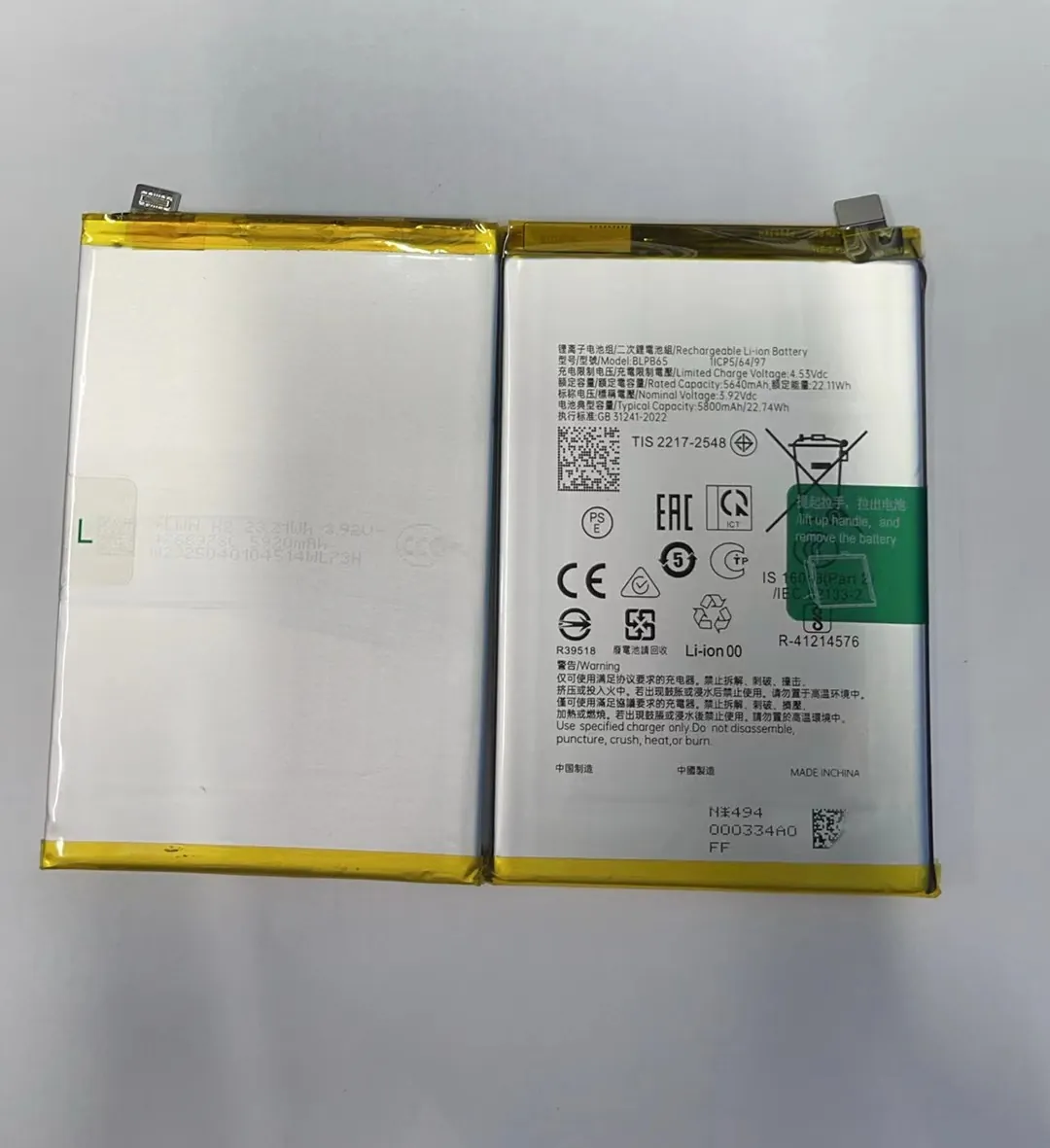
Many customers focus only on capacity (mAh). While this is important, it is not the only thing. A fake label can say “3500mAh,” but the real capacity may be only 2000mAh. That’s why you should always buy from trusted suppliers.
Key Factors When Choosing a Battery
| Criteria | What to Check | Why It Matters |
|---|---|---|
| Compatibility | Model number and connector | Wrong match can damage the phone |
| Capacity (mAh) | Original or higher | Longer battery life |
| Certification | CE, RoHS, UN38.3 | Ensures safety and compliance |
| Supplier Reputation | Reviews, years in business | Reliable source |
| Warranty | At least 1 year | Protects your purchase |
I once met a client who bought “OEM iPhone batteries” from a random online seller. Within two months, the batteries started swelling and customers complained. The repair shop’s reputation was damaged badly. Later, he switched to verified suppliers and saw customer satisfaction grow again.
How to Use a Battery Correctly
To make your phone battery last longer:
- Avoid overcharging. Unplug once it reaches 100%.
- Keep temperature moderate. Don’t expose your phone to heat or direct sunlight.
- Charge regularly. Don’t let it fully discharge to 0%.
- Use certified chargers. Bad chargers shorten battery life.
- Update your phone software. Some updates improve battery performance.
Even a high-quality battery can fail early if used wrongly. Always handle with care, especially during installation. For repair shops, having a proper testing process before delivery helps avoid after-sales issues.
What are the future trends?
The mobile battery industry is changing fast. New technologies promise longer life, faster charging, and safer materials. The future looks bright — and more eco-friendly.
Future trends in mobile phone batteries focus on higher energy density, faster charging, safer materials, and recyclable or solid-state designs.

I have seen many shifts in this field during the past 10 years. From removable batteries to built-in types, and now toward eco batteries and solid-state technology, each change makes our devices more efficient.
Trend 1: Solid-State Batteries
Solid-state batteries replace liquid electrolytes with solid ones. They store more energy and are safer from leaks or explosions. Brands like Apple and Samsung are investing heavily in this technology. It may take a few more years before it becomes mainstream, but it’s the next big leap.
Trend 2: Fast and Wireless Charging
With 120W charging already on some phones, fast charging is becoming the norm. New charging protocols will reduce charging times even more, while wireless charging becomes standard across most premium devices. This means batteries need to handle more heat and charging cycles — quality becomes even more critical.
Trend 3: Sustainable and Recyclable Batteries
Eco-friendly materials are gaining attention. Manufacturers are starting to use recycled lithium and reduce hazardous chemicals. For European buyers, sustainability is now part of the purchasing decision. Suppliers who can provide green-certified batteries will have a strong advantage.
Trend 4: Smart Battery Management
Modern batteries include chips that communicate with your phone. These chips track temperature, cycles, and charge history to optimize performance. In the future, AI-assisted battery management will predict usage patterns and extend battery life automatically.
Trend 5: Modular and Custom Battery Solutions
Some companies are developing modular batteries that can be easily replaced or upgraded. This will benefit repair and refurbishing companies, allowing them to replace batteries without full device disassembly. As a supplier, I believe this will reshape the aftermarket industry.
What It Means for Buyers
If you are a repair shop or wholesaler, keep an eye on these innovations. Future customers will demand batteries that are:
- Safer
- Faster to charge
- Longer lasting
- Eco-certified
- Smart and compatible with AI systems
Those who adapt early will lead the market. I always remind my clients: “Do not just buy what is available today — buy what will last tomorrow.”
Conclusion
A mobile phone battery may look small, but it plays a big role in performance and safety. Knowing what it is, where to buy it, and how to use it wisely can save money and prevent problems. As technology grows, better and greener batteries will shape the next generation of smartphones.
