
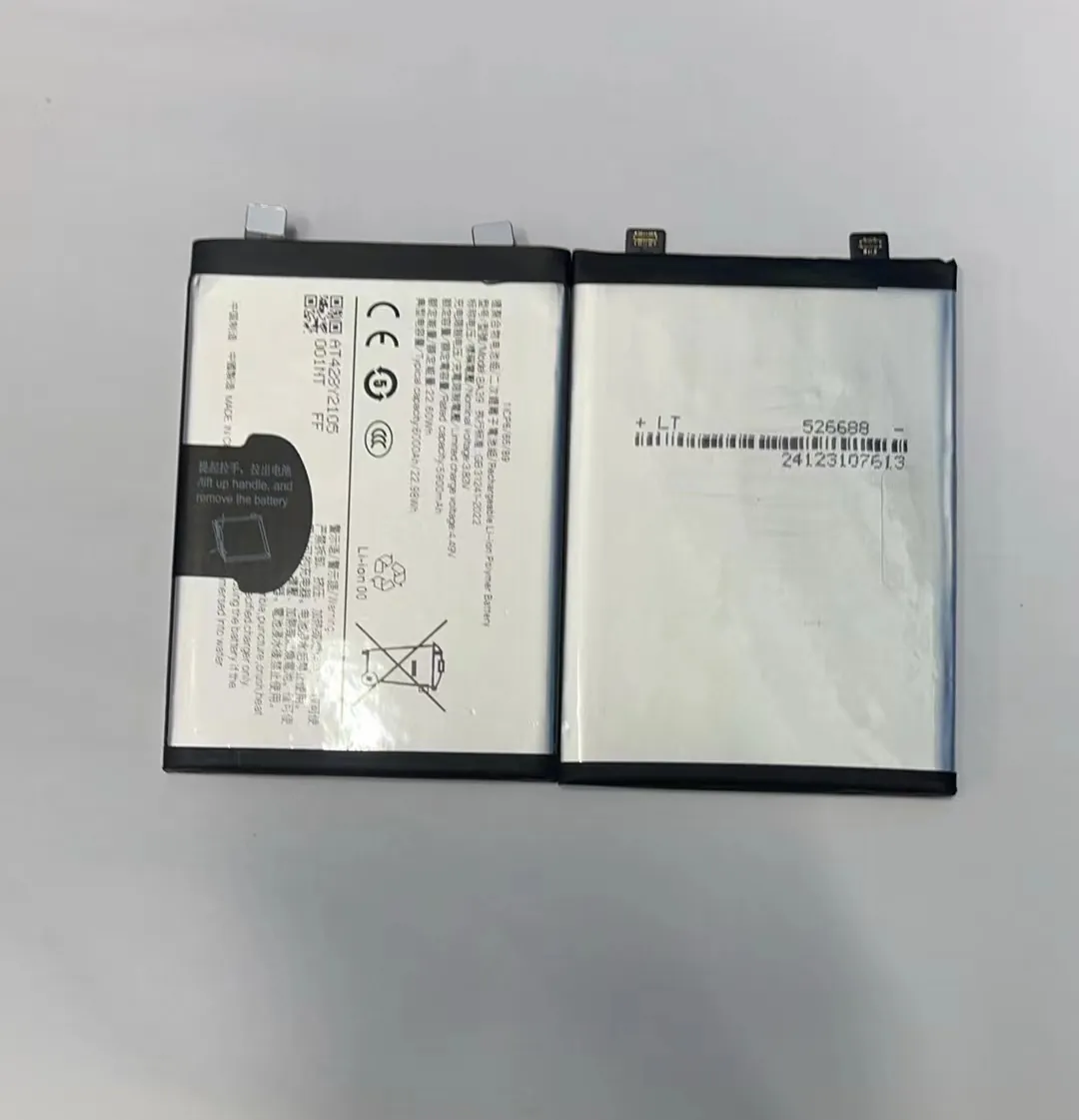
Many repair shops and users struggle to find reliable mobile phone batteries. Cheap options flood the market, but poor quality leads to fast drain and swelling. Choosing the right supplier can save time and frustration.
You can buy mobile phone batteries from trusted online suppliers, local repair stores, or directly from wholesale manufacturers who test and certify their products.
Choosing the right source is essential because it affects device performance, lifespan, and safety. Let’s explore what mobile phone batteries are, how to choose them wisely, and what trends are shaping the market.
What Is a Mobile Phone Battery?
Most people know their phone battery powers their device, but few understand how it works. As phones become more advanced, batteries play a key role in ensuring performance and safety.
A mobile phone battery is a rechargeable energy cell that stores and supplies power to smartphones, usually made from lithium-ion or lithium-polymer materials.
Understanding Battery Components
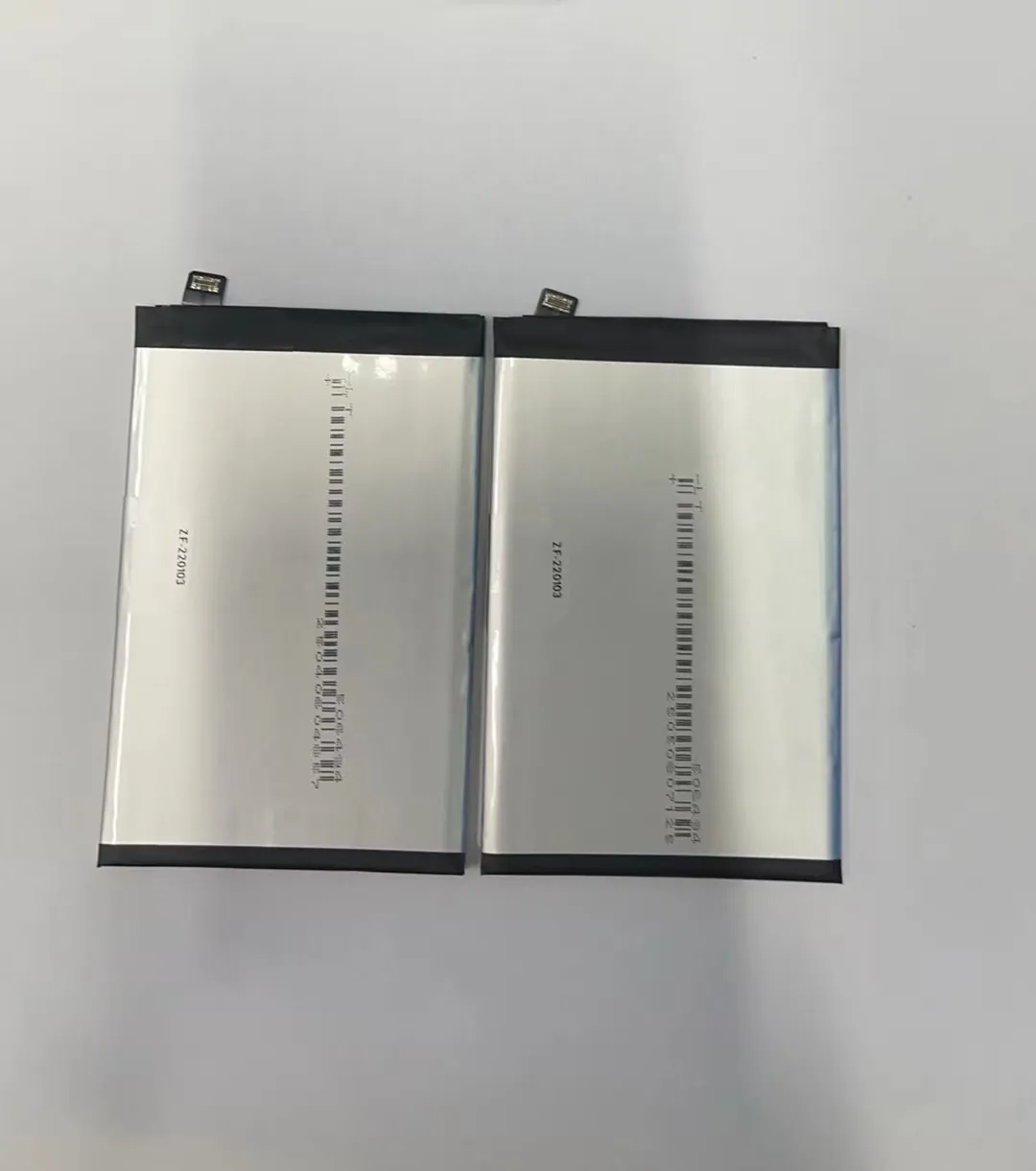
A phone battery includes several key parts: a cathode, anode, electrolyte, separator, and a protection circuit. The protection circuit keeps the voltage and temperature within safe limits. This is what prevents explosions or swelling.
| Component | Function |
|---|---|
| Cathode | Stores lithium ions during charging |
| Anode | Releases lithium ions during discharge |
| Electrolyte | Moves ions between cathode and anode |
| Separator | Prevents short circuits |
| PCB (Protection Circuit Board) | Controls voltage and temperature |
Battery Types
Most modern phones use Lithium-ion (Li-ion) or Lithium-polymer (Li-Po) batteries. Li-ion batteries offer higher energy density and longer life. Li-Po batteries, on the other hand, are lighter and can be made in different shapes, which suits thin smartphones.
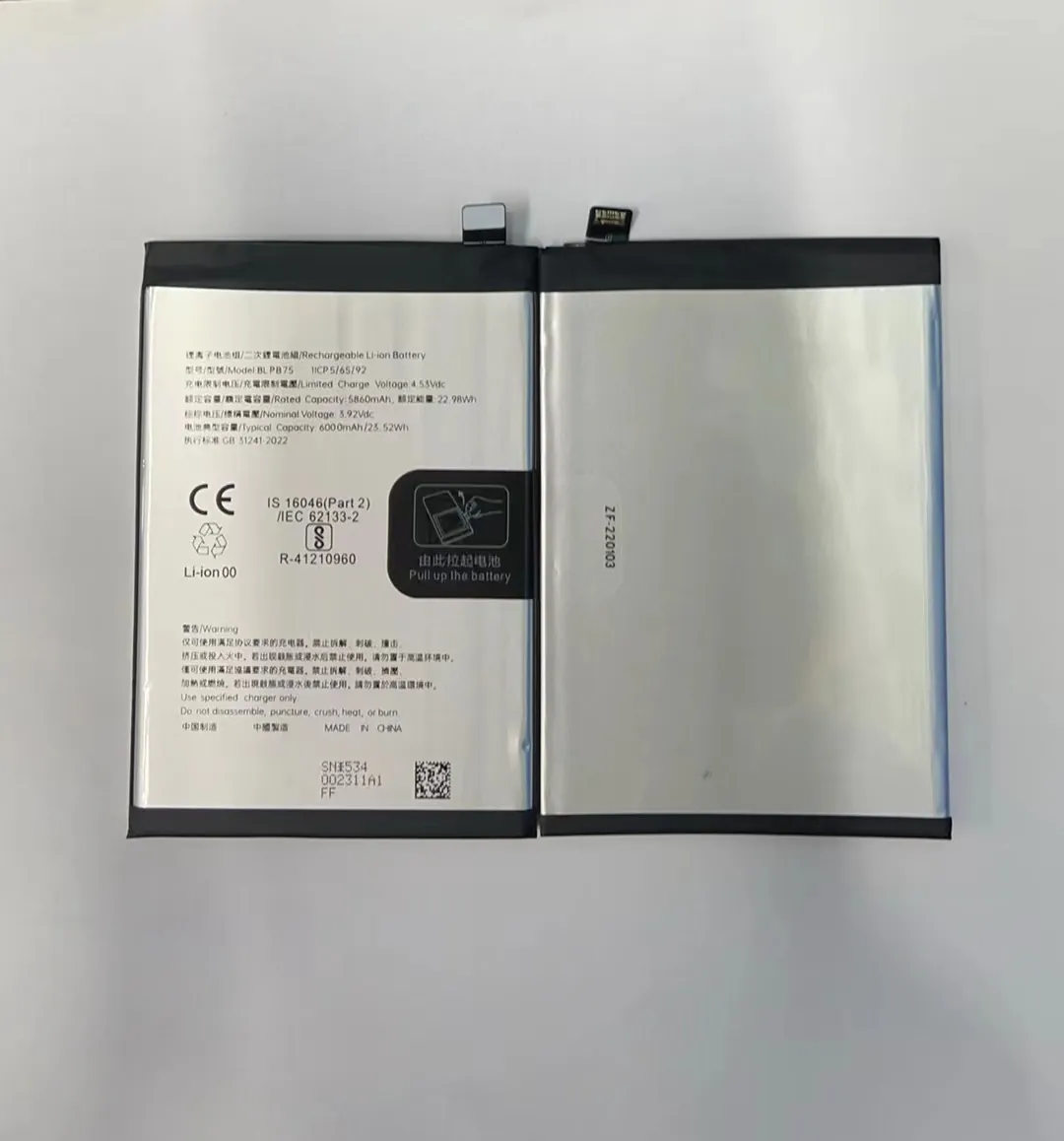
A good supplier will clearly label the battery type, capacity, and protection circuit. Avoid batteries with unclear markings or no testing certification, as they might be unsafe.
What Is the Value of a Mobile Phone Battery?
Many people replace their entire phone when the battery weakens, but that’s often unnecessary. The battery itself holds great value, both economically and environmentally.
A mobile phone battery extends the life of your device, saves replacement costs, and supports sustainability by reducing electronic waste.
Economic Value
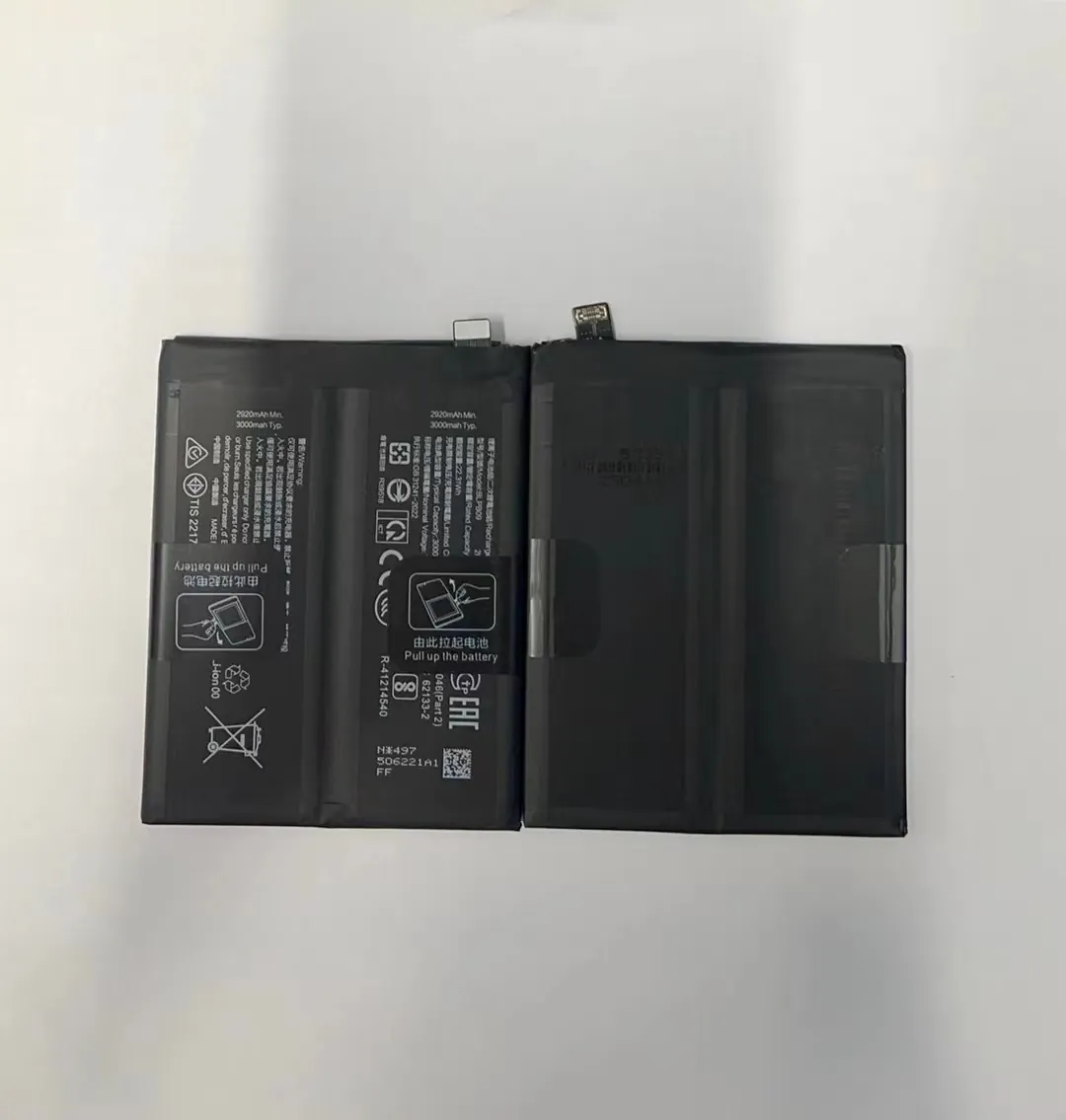
Replacing a battery is much cheaper than buying a new phone. For repair companies and wholesalers, it’s also a profitable business. They can provide customers with high-quality replacement batteries at a reasonable cost, generating repeat sales and loyalty.
| Type of Value | Description |
|---|---|
| Cost Saving | Replacing a battery is 70–90% cheaper than buying a new phone |
| Profit Margin | Wholesale batteries allow better pricing for repair shops |
| Longevity | High-quality batteries can extend device life by 1–2 years |
Environmental Value
Battery replacement reduces e-waste. Each repaired device means fewer raw materials mined and less pollution from discarded electronics. Many customers today prefer repair over replacement because it’s both eco-friendly and budget-friendly.
Customer Satisfaction
From my experience, clients are happier when they can restore their old phones with a reliable battery. It saves data, time, and effort. That’s why offering trusted replacement batteries builds a stronger business reputation.
How to Use or Choose a Mobile Phone Battery?
Selecting the right phone battery might seem easy, but small mistakes can lead to poor performance or even safety risks.
To choose or use a phone battery safely, check compatibility, capacity, brand reputation, and ensure it passes quality testing before use.
Step-by-Step Selection Guide
- Check Compatibility – Always match the model number exactly. Even similar phones may use different battery codes.
- Look for Certifications – Choose batteries with CE, RoHS, or MSDS certifications.
- Compare Capacity – Higher mAh means longer battery life, but it must fit the device design.
- Verify Brand or Supplier – Reliable suppliers offer warranties and consistent test results.
- Inspect Packaging and Labeling – Fake batteries often have spelling errors, uneven fonts, or poor printing.
How to Use Properly
When installing a new battery:
- Avoid bending or pressing it too hard.
- Do not use metal tools directly on the cell.
- Calibrate the battery by fully charging and discharging it 2–3 times.
- Keep it away from extreme temperatures.
Common Mistakes
Some users buy the cheapest battery available. Others store unused batteries improperly. Both actions reduce lifespan. For wholesalers, always test batteries before shipment. This ensures your clients receive consistent quality.
Where to Buy Mobile Phone Batteries?
The market is full of suppliers, but not all are trustworthy. Choosing where to buy determines your success if you run a repair or wholesale business.
Buy mobile phone batteries from certified wholesalers, specialized online stores, or directly from factories that test and verify their products before shipping.
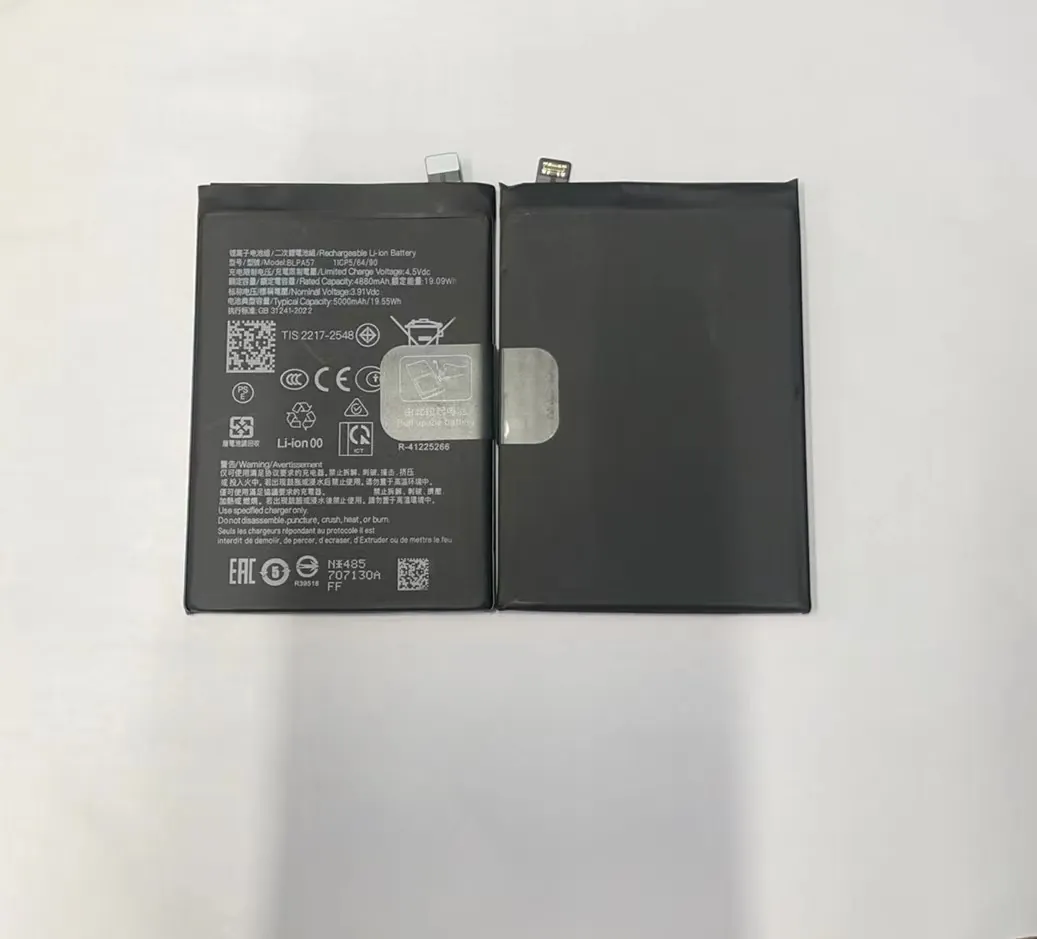
Best Places to Buy
| Source | Description | Advantage |
|---|---|---|
| Authorized Wholesalers | Companies that specialize in tested phone parts | Quality control and warranty |
| Online Marketplaces | Platforms like Alibaba or Global Sources | Wide selection, competitive prices |
| Manufacturer Direct | Buying from a factory in Shenzhen, China | Custom branding and stable supply |
| Local Repair Shops | Nearby stores that stock popular models | Quick replacement and convenience |
Tips for Wholesalers and Repair Shops
- Always ask for test reports and sample units before bulk orders.
- Confirm MOQ (minimum order quantity) and lead time to plan your stock.
- Negotiate for custom packaging if you want to build your brand.
- Maintain long-term relationships with suppliers for better pricing and support.
My Personal Experience
I once worked with a small local supplier who offered low prices but inconsistent quality. Later, switching to a reliable factory supplier reduced return rates by 90%. That experience taught me that the right supplier saves both money and reputation.
What Are the Future Trends in Mobile Phone Batteries?
Battery technology evolves rapidly as consumers demand longer life, faster charging, and safer materials.
Future mobile phone batteries will focus on faster charging, higher energy density, better safety, and eco-friendly materials.
Key Developments to Watch
- Fast-Charging Innovation – 100W+ fast-charging batteries are becoming standard.
- Graphene Batteries – Graphene can store more power and charge faster than lithium-ion.
- Solid-State Batteries – These replace liquid electrolytes with solid ones, reducing fire risk.
- Recyclable Materials – Manufacturers are exploring greener production to reduce pollution.
- Smart Battery Management Systems (BMS) – AI-powered chips will monitor battery health in real-time.
Impact on Repair and Wholesale Industry
As these technologies mature, the market for replacement batteries will expand. Repair shops will need to stock more advanced battery types. Wholesalers must also adapt by testing and certifying these new models.
Battery lifespan could double, and charging could drop to just a few minutes. These changes will reshape how we buy, use, and recycle phone batteries in the next decade.
Conclusion
Buying mobile phone batteries is not only about price. It’s about quality, safety, and trust. By choosing certified suppliers, understanding battery types, and following new trends, we can power our devices better and longer while building a more sustainable future.
