
Staring at a cracked screen on your expensive iPhone is frustrating. The repair quote can feel shockingly high, leaving many users confused and annoyed.
The iPhone 14 Pro Max is hard to repair because of its highly integrated internal design, strong adhesives, fragile sensors, and Apple’s software-based parts pairing. Even simple repairs like screen or battery replacement require specialized tools and experience to maintain full functionality such as Face ID.
Understanding these challenges helps you make better decisions—whether that means choosing official repair, a professional third-party shop, or focusing on prevention.
How does the phone’s design make simple repairs so risky?
Many users expect a quick fix, but technicians often warn about high risks. This is due to the phone’s extremely compact and glued construction.
The iPhone 14 Pro Max uses strong adhesive, proprietary screws, and tightly packed components. Disassembly risks damaging the OLED display, flex cables, or internal sensors, making even basic repairs delicate and expensive.

Apple prioritizes thinness, water resistance, and durability. While these improve daily use, they significantly reduce repairability.
Key design challenges:
| Design Factor | Repair Impact |
|---|---|
| Strong adhesives | Requires heat, increases risk of damage |
| Tightly packed internals | One repair requires removing many components |
| Fragile flex cables | Easy to tear during disassembly |
| Proprietary screws | Needs special tools |
Inside the device, components are layered with minimal space. A small mistake can damage nearby parts, turning a simple repair into a costly one.
Why are screen and back glass repairs so expensive?
Many users are shocked by screen and back glass repair prices. This is not just labor—it’s technology.
The iPhone 14 Pro Max uses a high-end ProMotion OLED display and reinforced back glass. Replacing these parts requires advanced tools and high skill, which drives up repair costs.
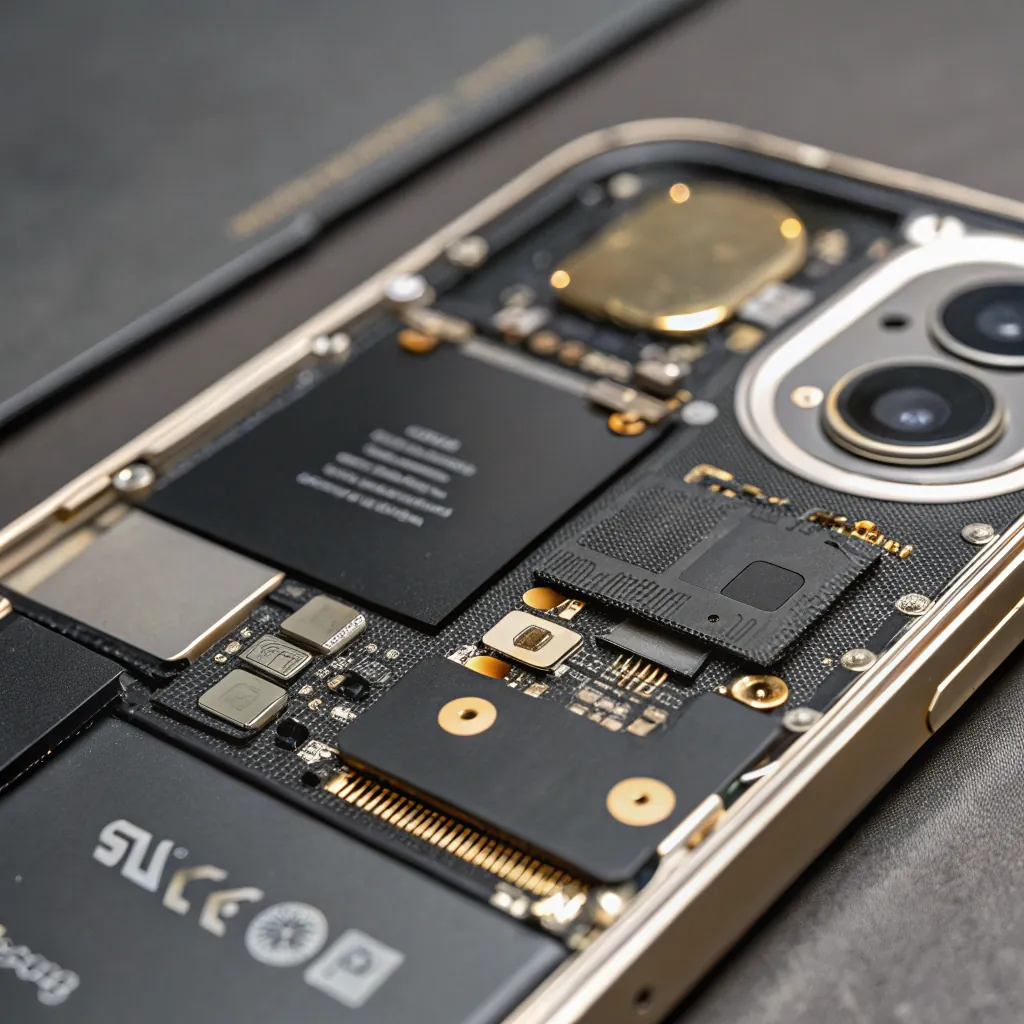
The display includes advanced features like high refresh rate and precise color calibration. The back glass, while durable, is extremely difficult to remove once shattered.
Typical repair risks and costs:
| Repair Type | Approx. Cost | Main Risks |
|---|---|---|
| Screen replacement | ~$379 | Loss of True Tone, sensor damage |
| Back glass replacement | ~$499 | Wireless charging coil damage |
| Battery replacement | ~$99 | System warnings, missing health data |
Back glass repair often requires a laser machine to remove adhesive without harming internal components, increasing shop investment and repair price.
Why do some features stop working after a repair?
After repair, users may notice missing features or warning messages. This is due to Apple’s software restrictions.
Apple uses parts pairing, linking components like Face ID sensors and batteries to the logic board. Without Apple’s system configuration tools, replaced parts may lose functionality or show warnings.
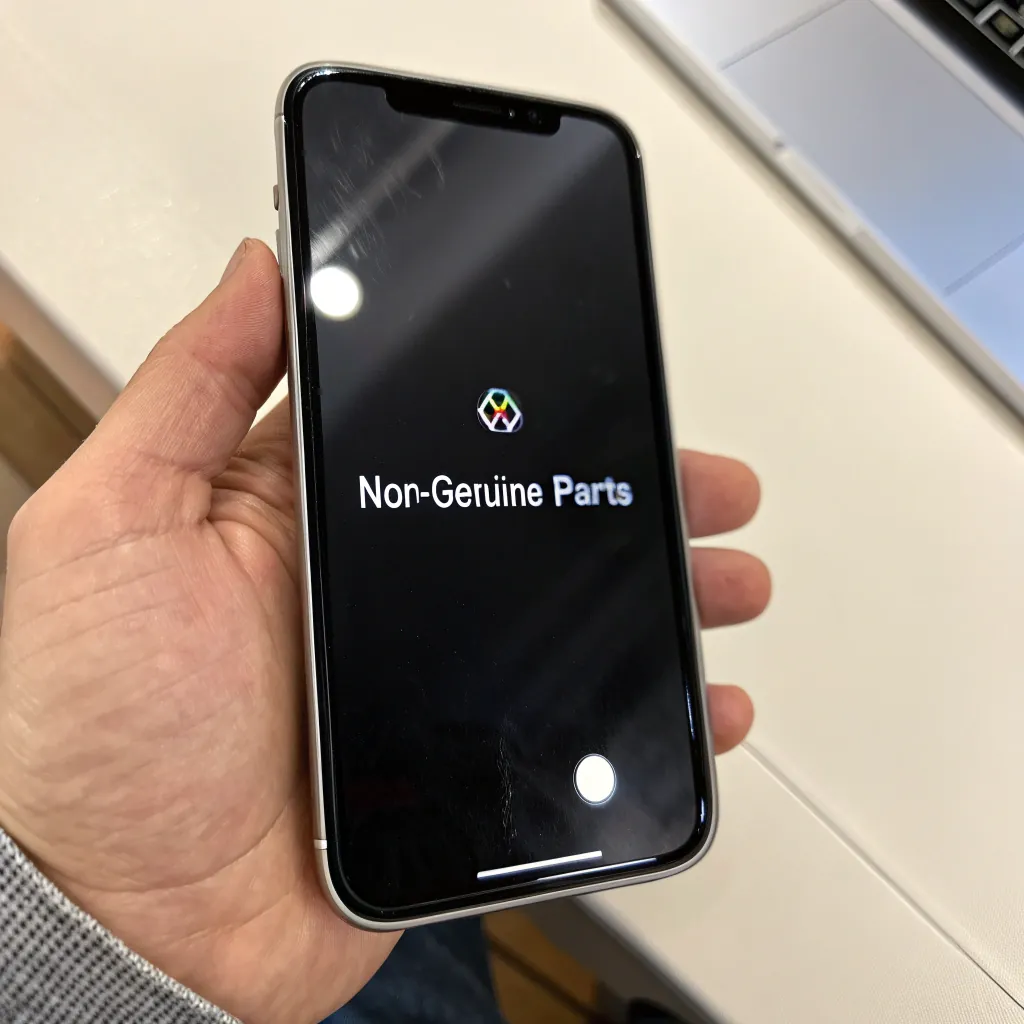
Even genuine parts taken from another device can be rejected by the system if serial numbers don’t match.
| Component | Feature Affected |
|---|---|
| Display | True Tone disabled |
| Battery | Battery Health not shown |
| Face ID | Permanently disabled if damaged or misaligned |
| Camera | Warning messages or limited functionality |
Face ID is especially sensitive. A tiny alignment error or damaged cable can permanently disable it, with no software fix outside Apple-authorized service.
Repair quotes often seem high, but they reflect more than just components and time.
Professional repair shops invest heavily in specialized equipment and take financial risks when working on expensive devices. These costs are built into repair pricing.
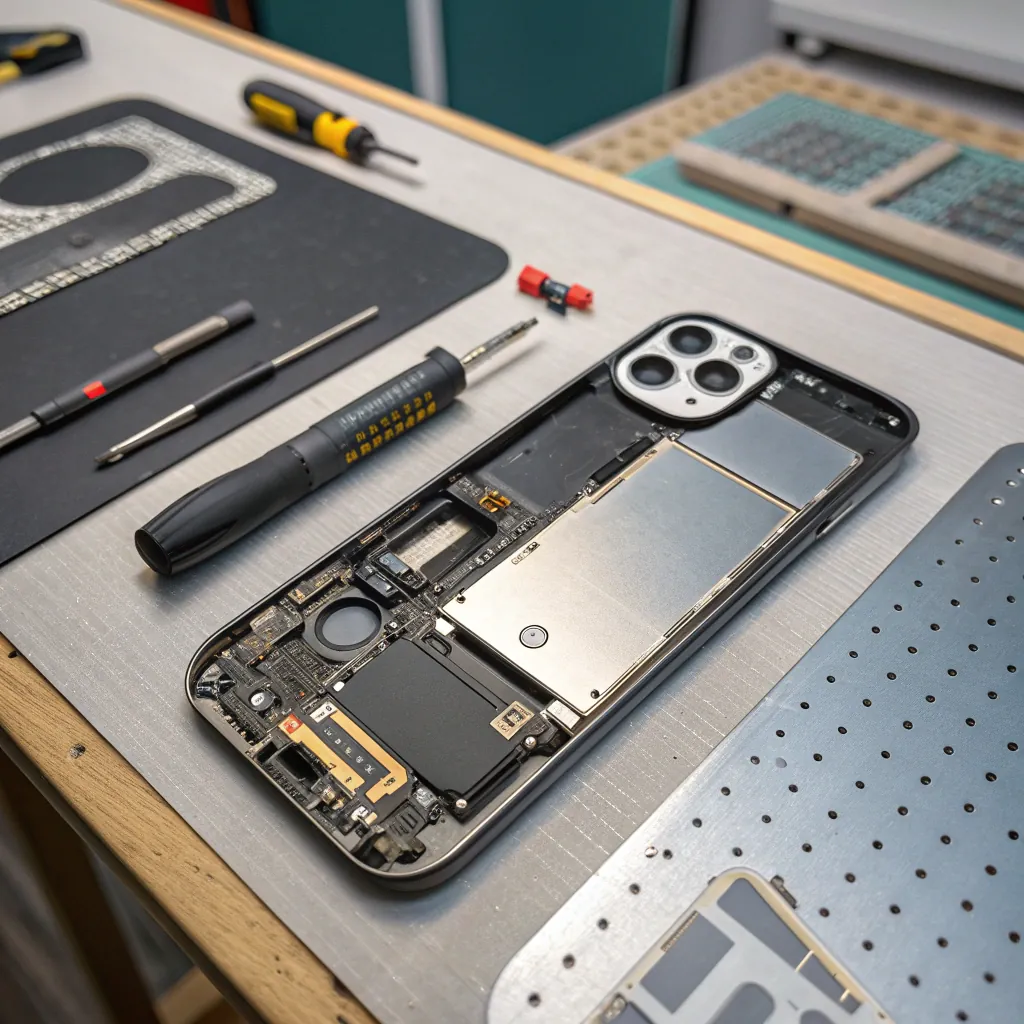
A single mistake can mean replacing a phone worth over $1,000. That risk, along with training and tools, is part of the service cost.
Tools required for modern iPhone repairs:
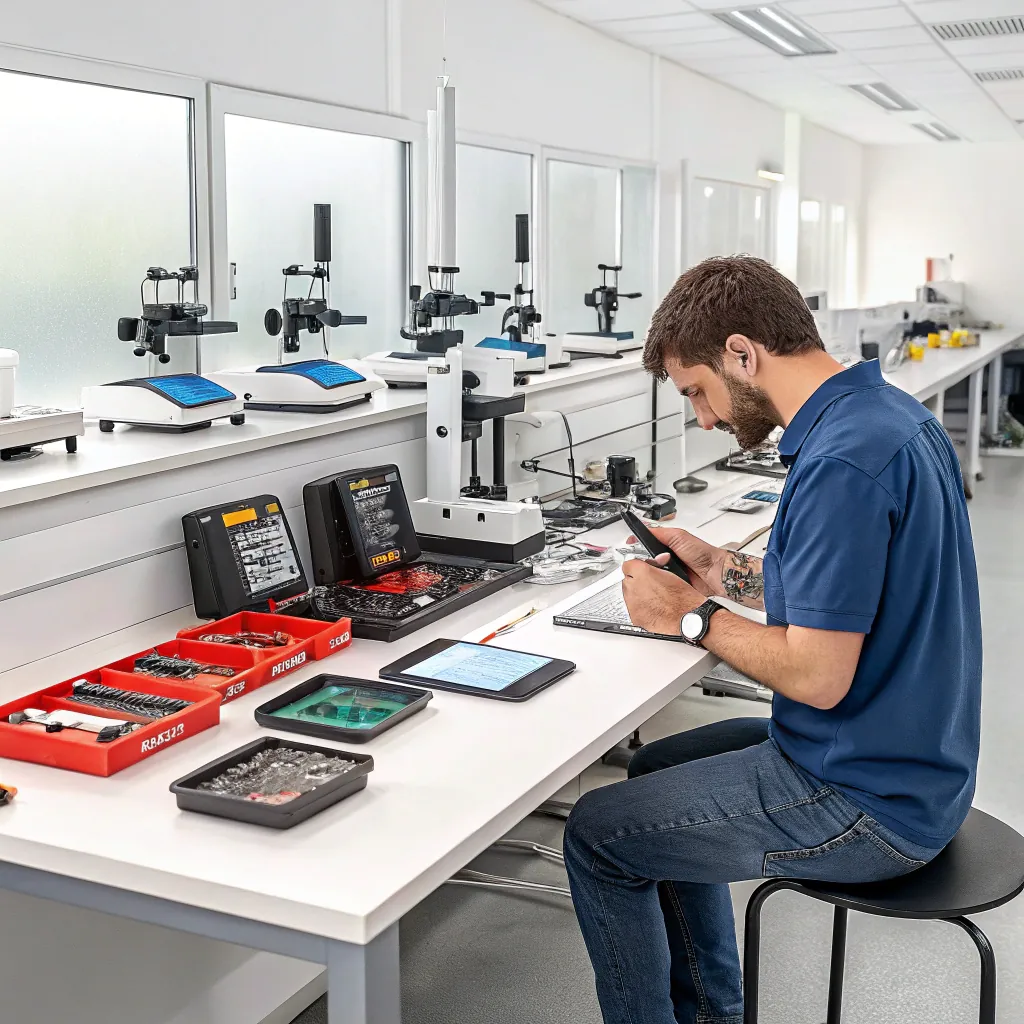
- Precision heating platforms – soften adhesive safely
- Laser machines – remove back glass without internal damage
- Microscopes – microsoldering and board-level repair
- Calibration tools – ensure proper sensor alignment
This equipment costs thousands of dollars and requires skilled technicians.
Is prevention cheaper than repair?
In most cases, yes. Simple accessories can prevent costly damage.
Using protective accessories and careful handling is far cheaper than repairing an iPhone 14 Pro Max after damage.
Cost comparison:
| Prevention Method | Cost | Potential Savings |
|---|---|---|
| High-quality protective case | $20–$50 | ~$379 screen cost |
| Tempered glass screen protector | $10–$30 | ~$379 screen cost |
| Proper charging habits | $0 | ~$99 battery cost |
Small investments can save hundreds of dollars and extend the phone’s usable life.
Conclusion
The iPhone 14 Pro Max delivers cutting-edge performance and design, but this comes at the cost of repairability. Strong adhesives, fragile components, and software locks make repairs complex and expensive. Understanding these challenges helps you protect your device, choose the right repair option, and avoid unnecessary costs.
